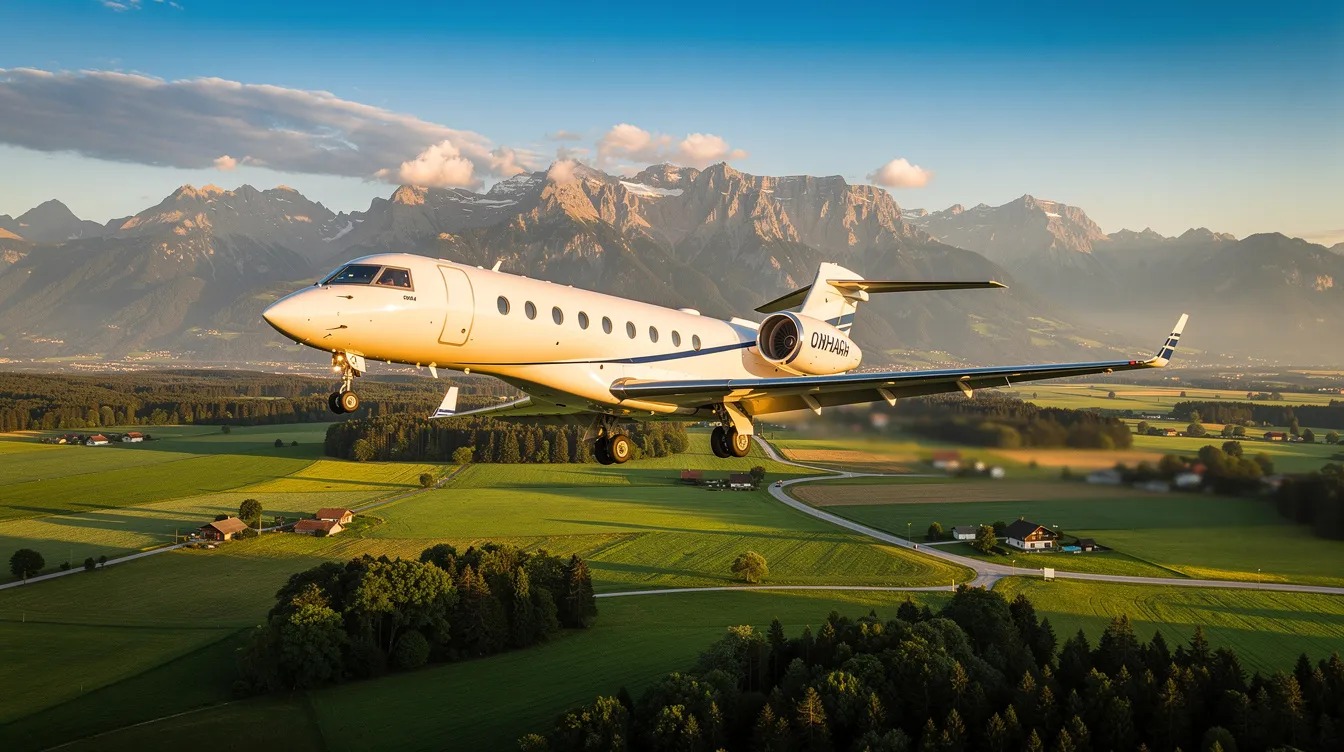
Private flight is no longer simply a symbol of luxury. For business executives, family offices, and discerning travelers, private airplane charter is a way to protect time, privacy, and momentum when commercial schedules create friction. With BlackJet, private jet access becomes structured: Jet Card simplicity, safety-first operations, carbon-neutral flights, and flexible aircraft availability in one membership-driven model.
Airplane Private Charter at a Glance
In modern private aviation, a charter flight is a strategic tool: the plane moves on your schedule, from the airport closest to you, with the cabin configured around your travel needs. Compared with commercial airlines, private charter airplanes offer unmatched time savings, flexibility, and privacy. You avoid the check-in lines, crowded boarding areas, rigid schedules, and unnecessary connections that often define premium commercial air travel.
Time Savings and Flexibility
A 2026 example makes the difference clear. A traveler based on Long Island flying to London City may be able to depart through a nearby private terminal near Islip, Farmingdale, or Teterboro, arrive 15–30 minutes before departure, and move directly from aircraft to ground transportation on arrival. The commercial alternative might involve driving to JFK, arriving two to three hours early, navigating security, waiting at the gate, and potentially connecting through a larger hub. Industry benchmarks often cite about 90–180 minutes saved per one-way trip, and on complex international routes, the door-to-door savings can be far greater.
What is an Airplane Private Charter?
In plain language, private airplane charter means renting the entire aircraft for a specific trip rather than buying individual seats, a core distinction explained in greater depth in our guide to charter flight meaning and key insights. Today, that can include:
On-demand charter flights
One-way private jet charters for uncertain travel plans
Jet Card access
Membership programs such as BlackJet’s 25-hour and 50-hour options
The BlackJet Experience
BlackJet brings these models into a more predictable experience:
For private jet travelers who value speed, discretion, and control, flying private is not about excess. It is about making travel work around the mission.
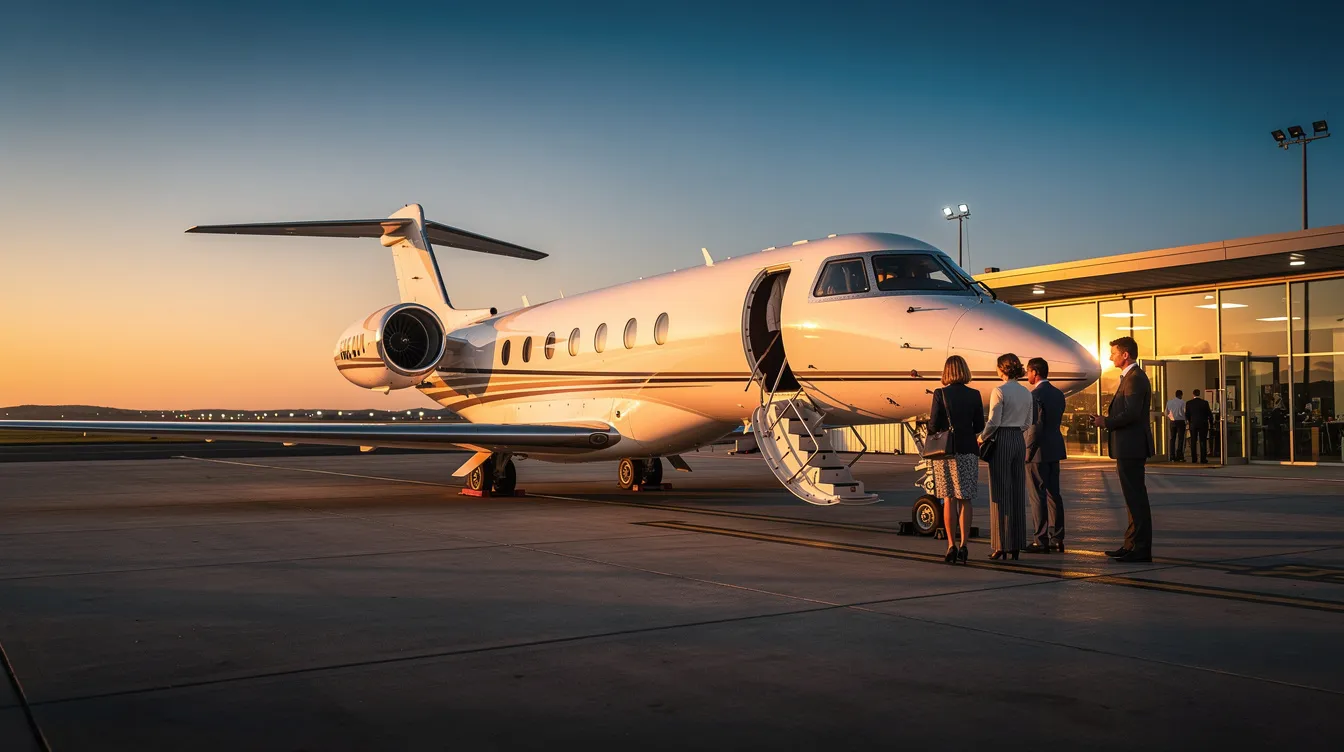
Why Flying Private Is a Strategic Advantage
Control and Confidentiality
Imagine a New York-based executive departing from Long Island MacArthur in the morning for a Chicago meeting, closing a financing round over lunch, and returning home the same evening. On commercial flights, that day may require early arrival at a major hub, fixed departure times, exposure to delays, and a late return. With private jet travel, the same itinerary can be shaped around the meeting itself.
The benefit is not only speed. It is control. A private cabin allows a confidential board discussion in flight, documents can be reviewed without concern for nearby passengers, and the schedule can flex if negotiations run long. Private aviation involves fewer than 20 physical touchpoints compared to over 700 on a typical commercial journey, significantly reducing exposure to pathogens and crowded environments.
Key Strategic Benefits
Private charter airplanes provide significant advantages over commercial flights by prioritizing time efficiency, flexibility, and a highly personalized environment. Key strategic benefits include:
Access to smaller airports, including Long Island MacArthur, White Plains, Teterboro, Napa County, Aspen, and regional gateways closer to your actual destination
Direct access to approximately 5,000 U.S. airports, compared to around 500 for commercial flights, supported by a wide range of types of private jets for every traveler
Flexible scheduling that allows departure and arrival at your convenience without the constraints of commercial flight schedules
Reduced overnight stays when a same-day round trip becomes realistic
A secure cabin for sensitive business discussions, family privacy, or high-profile leisure travel
Greater control over catering, luggage, pets, sports equipment, and ground transportation
Jet Card Standardization
For frequent flyers, BlackJet Jet Cards standardize the experience further. Instead of negotiating each jet charter service as a separate transaction, members pre-purchase hours and gain predictable access to a diverse fleet, similar in concept to the BlackJet 25+ Hour Jet Card program and other comprehensive 25-hour jet card guides. That structure can be especially valuable for:
Compared with fractional ownership, a Jet Card avoids acquisition costs, depreciation, crew salaries, maintenance oversight, insurance, and hangar commitments. Compared with ad-hoc air charter, it offers more consistency in cost, access, and exceptional service.
How Private Charter with BlackJet Works
BlackJet is built for B2C private travel through membership and Jet Card programs. Members purchase prepaid access to private jets, commonly in 25-hour or 50-hour blocks, and can use those hours across multiple cabin classes depending on the mission, making it important to understand the jet card cost per hour when budgeting. The result is premium private jet card and membership services without the burden of owning or managing an aircraft.
Step 1: Share Your Flight Details
Provide details such as:
Departure and arrival locations
Travel dates
Number of passengers
Luggage, pets, and catering needs
Step 2: Choose an Aircraft Category
Select from:
Light jet
Midsize jet
Super midsize jet
Heavy jet
Ultra long range
Step 3: Review and Confirm
Review the quote, aircraft options, operational considerations, and service details.
Confirm the trip through the mobile or web platform with support from BlackJet’s dedicated team.
Step 4: Arrive and Fly
Instant Booking and Support
Many private jet charter services offer instant pricing and booking through digital platforms, allowing users to compare options and make reservations quickly. BlackJet’s mobile booking platform supports that expectation with real-time flight support available 24/7.
Travelers can often book private jet charters on short notice, with some services allowing flights to be arranged within three hours of signing a contract. Actual timing depends on aircraft availability, crew readiness, airport hours, weather, and regulatory requirements.
Additional Services
The booking process for private jet charters can include additional services such as:
BlackJet and its vetted partner operators handle the operations, so the traveler can focus on the destination.
Jet Card vs. On‑Demand Charter
Understanding how charter providers build quotes and what drives total trip cost is essential, and a The broader context on private jet charter pricing helps frame the comparison between prepaid Jet Card hours and purely on-demand flying.
Feature | Jet Card Membership | On-Demand Charter |
|---|
Pricing | Fixed hourly rates, predictable costs | Pricing varies by trip and demand |
Access | Guaranteed aircraft availability | Subject to market and aircraft availability |
Service Consistency | Standardized service levels | May vary by operator and trip |
Cancellation Terms | Clear, member-friendly terms | May be less flexible |
Best For | Frequent flyers want predictability | Occasional travelers needing flexibility |
Jet Card membership is generally best for frequent flyers who want predictability; on-demand charter is best for occasional travelers who prioritize maximum trip-by-trip flexibility.
One-way private jet charters allow travelers to fly directly to their destination without the need for a return flight.
Empty leg flights, which occur when a jet is returning to its base without passengers, can offer substantial discounts compared to standard charter rates.
Aircraft Types and Cabin Classes in Private Charter
Matching aircraft categories to mission profiles is central to cost-effective private charter. The best aircraft is not always the largest aircraft. The right aircraft is the one with the appropriate range, runway performance, cabin space, baggage capacity, and cost profile for the trip, elements that also appear in any robust private jet price list and options guide.
Light Jet
Ideal for regional routes and short business trips. The Embraer Phenom 300E is a leading light jet known for its speed, comfort, and advanced technology, with a range of up to 2,010 nautical miles and a cruising speed of 464 knots, accommodating 6-8 passengers. A Citation CJ3+ is another recognizable light jet choice for efficient regional missions.
Midsize Jet
Suitable for longer domestic flights with more cabin comfort. The Cessna Citation Latitude is a best-selling midsize business jet, offering a range of up to 2,700 nautical miles and accommodating up to nine passengers, making it suitable for both business and leisure travel.
Super Midsize Jet
A strong option for cross-country travel, larger groups, and routes such as New York to Napa or Dallas. Aircraft such as the Praetor 500 offer spacious cabins, a strong range, and refined onboard technology.
Heavy Jet
Designed for larger groups, long domestic missions, and international travel. Heavy jets generally accommodate 12 to 18 passengers and are capable of flying nonstop distances ranging from 5,500 to over 8,000 miles, making them well-suited for intercontinental travel, especially when you are evaluating how much a 12-seater private jet costs across ownership and charter scenarios.
Long Range and Ultra Long Range Aircraft
Built for nonstop global city pairs. Ultra-long-range jets, such as the Gulfstream G650, can fly up to 7,000 nautical miles non-stop, making them ideal for connecting distant global cities with a spacious cabin designed for productivity, and larger variants can even serve as the best private jet option for roughly 50 passengers.
VIP Airliners
Reserved for groups, heads of state-style travel, entertainment tours, or complex global itineraries where bedroom suites, lounges, and larger service areas may be required, often making them the best private jet solution for around 20 passengers and a natural comparison point to top private jets for 30 passengers when group size and cabin layout evolve.
Notable Aircraft Models
In-Cabin Features
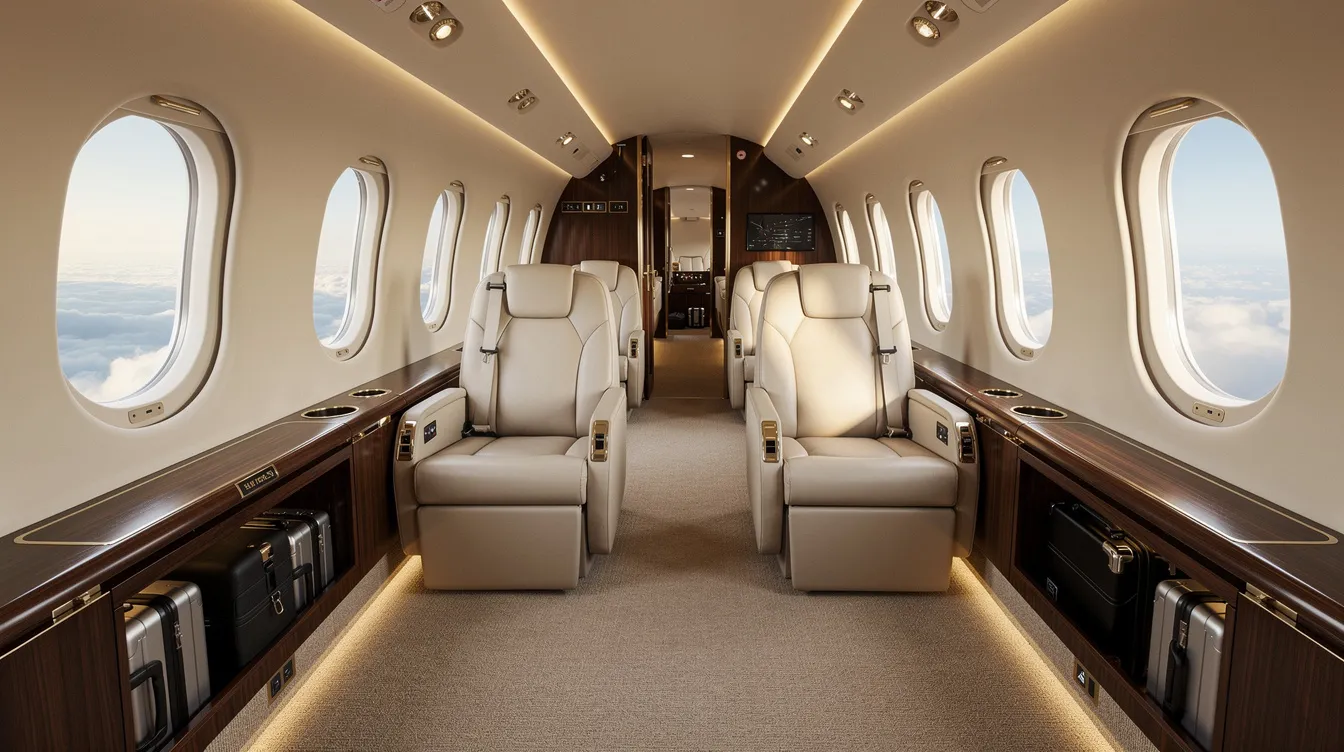
For discerning travelers, in-cabin features often shape the experience as much as range, particularly on the top 16-seat private jet options designed around group comfort and productivity. Features include:
Private jets can maintain lower simulated cabin altitudes, which can lead to better breathing and reduced jet lag. They are capable of flying up to 51,000 feet, well above the altitude of commercial traffic, allowing for more direct routes and bypassing turbulent weather when conditions permit, advantages that are especially evident on the largest private jets for sale and charter.
Selecting the Right Jet for Your Mission
Weekend Hamptons–Nantucket or Long Island–Martha’s Vineyard: A light jet or turboprop may be the most efficient option for two to six passengers with limited bags, aligning with many of the cheapest private aircraft options for short hops.
New York–Dallas day trip: A midsize or super midsize jet can balance range, cabin comfort, and schedule certainty for a same-day business meeting.
New York–Paris overnight: A heavy jet or ultra-long-range aircraft is usually the better fit for nonstop capability, sleeping comfort, and international operating margins.
New York–Jackson Hole with family, skis, pets, and luggage: A super midsize or larger aircraft may be appropriate because baggage volume and runway performance matter.The TheThe
Caicos Islands, Saint Martin, and other leisure destinations can require careful planning around runway length, customs, and seasonal airport congestion.
More remote or complex international destinations, including South Sudan or Western Sahara, may require overflight permissions, fuel planning, security review, and specialized aviation experts, similar to the logistics involved in chartering aircraft for 100-passenger group missions.
BlackJet advisors help balance cost, range, runway length, passenger count, and luggage so clients do not over-size or under-size the aircraft.
Weather, fuel stops, airport hours, and crew duty limits can influence aircraft selection on longer charter flights.
Every option in the BlackJet program maintains BlackJet’s safety and carbon-neutral standards.
Safety, Certification, and Flight Crew Standards
Safety is non-negotiable at BlackJet. It is treated as a core pillar alongside comfort, convenience, and luxury. A refined booking experience means little unless the aircraft, operator, and flight crew meet rigorous standards.
FAA Part 135 Certification
When choosing a private airplane charter service, verify that the company holds an FAA Part 135 certificate for commercial operations. FAR Part 135 is a regulation enforced by the FAA that oversees commercial charter operations, ensuring stringent safety standards for on-demand flights, including air taxis and small commuter services. In practical terms, the air carrier operating the flight must have the proper air carrier certificate, trained crew, approved maintenance programs, and legal authority to conduct a commercial charter.
Independent Safety Audits
Operators or brokers with Wyvern or ARGUS ratings indicate the highest independent third-party safety audits. Look for high ratings from independent safety auditors like ARGUS or Wyvern as critical evaluations for private charter services. ARGUS and Wyvern are two organizations that provide safety ratings for private jet operators, ensuring that only those meeting rigorous safety standards are selected for charter services.
IS-BAO Certification
The IS-BAO (International Standard for Business Aircraft Operations) certification is a global standard that promotes safety and operational excellence in business aviation, with multiple stages of compliance. For additional regulatory context, the FAA’s rules for commuter and on-demand operations are set out under 14 CFR Part 135, while independent programs such as ARGUS and WYVERN help evaluate charter operators beyond minimum requirements.
BlackJet Vetting Process
BlackJet’s vetting process is designed to go beyond a basic charter checklist. Every charter flight is reviewed before departure, including operator credentials, aircraft maintenance status, pilot qualifications, and mission-specific risks.
Key Elements of a Safety Program
A strong private aviation safety program includes:
Flight crew checks for experience on type, recent flight hours, recurrent training, and clean safety records
Maintenance verification, including inspection status and aircraft readiness
Safety management systems (SMS) in place for risk management and incident reporting in private charter operations
Weather minimums, duty-time limitations, operational control, and escalation protocols
Transparent information for clients about operator credentials, aircraft status, and crew qualifications before they fly
This unwavering commitment gives BlackJet a significant role in a private aviation industry where clients increasingly expect documented safety standards, not vague assurances.
What Clients Can Expect on the Board
A typical BlackJet experience begins before the aircraft door closes. At the FBO, passengers move through discreet security, luggage and valuables are handled securely, and the flight crew provides a clear safety briefing before departure.
This is very different from summer 2026 peak travel at JFK, where premium travelers may still face crowded TSA checkpoints, gate congestion, delays, and boarding queues. Private travel reduces the friction points that make major hubs exhausting, especially for families, executives, and high-profile travelers.
BlackJet’s operators follow commercial-grade standards or better, including dual-pilot operations and modern avionics across jet categories. First-time private flyers can expect the process to feel calm and personal, supported by the industry’s strong record that answers the question are private jets safe in modern aviation. Seasoned frequent flyers will recognize the rigor behind the ease.
Sustainability and Carbon‑Neutral Private Aviation
Modern private aviation must balance convenience with responsibility. BlackJet makes every charter flight carbon neutral by default, so clients do not need to choose between flexible access and environmental accountability, even when exploring the cheapest private jet options for entry-level flying.
Carbon-Neutral Flights
BlackJet calculates estimated emissions for each flight and offsets them through verified carbon offset or SAF-linked programs. These programs may support independently verified projects such as reforestation, renewable energy, methane reduction, or aviation-focused carbon initiatives.
Sustainable Aviation Fuel
Sustainable Aviation Fuel, or SAF, is also becoming a larger part of the aviation industry’s path forward as supply grows and regulatory requirements expand. Policy discussions and mandates are pushing SAF adoption in major markets, including the European Union, while U.S. incentives continue to shape supply. The Congressional Research Service has published useful context on sustainable aviation fuel policy, including the role SAF may play in reducing aviation emissions over time.
Offset Programs
A concrete example helps frame the scale. A client flying 50 hours annually between New York, Miami, Aspen, and London on a mix of super midsize and heavy jets could generate tens of metric tons of CO₂, depending on the aircraft and routing. BlackJet’s carbon-neutral model is designed to offset that estimated footprint through verified programs, making the administrative process seamless for the traveler.
Corporate ESG Integration
For corporations and family offices with ESG policies, carbon-neutral private flying can be included in corporate travel and family travel guidelines. The goal is not to pretend private aviation has no environmental impact. The goal is to measure, reduce where practical, and offset responsibly.
Flying Greener Without Sacrificing Flexibility
Sustainability features are built into the BlackJet experience, with no extra booking steps and no separate offset invoices for the traveler.
Clients can request aircraft using Sustainable Aviation Fuel on routes and airports where SAF is available, including major private aviation hubs such as Van Nuys, Teterboro, and London-area airports.
Choosing appropriately sized aircraft reduces fuel burn; a light jet for a two-person regional hop is often more responsible than using larger aircraft unnecessarily. ily
Efficient routing, avoiding avoidable repositioning, and grouping stops into a thoughtful multi-leg itinerary can reduce wasted flight .time
Carbon-neutral flights let clients maintain flexible scheduling while aligning private travel with ESG principles. ities
Use Cases: From Long Island Weekends to Long‑Range Business Missions
Private charter through BlackJet serves both regional and intercontinental travel for business and leisure clients. The common thread is not the distance. It is the need for control over time, privacy, comfort, and access, themes that also appear in our overview of the top private jet charter companies in the USA.
Regional Family Travel
For a Long Island weekend, a family may depart from Islip or Farmingdale to Nantucket or Martha’s Vineyard on a light jet. Instead of driving to a crowded commercial airport, checking bags, and waiting for a delayed connection, they arrive minutes before departure and fly directly to the destination. Pets, golf clubs, and weekend bags stay with the group, and the schedule can be shaped around school, work, or weather—just as families departing from hubs like Karachi with private jet charters do for their own regional getaways.
Long-Range Business Missions
For a long-range business mission, a 25- or 50-hour Jet Card member may fly New York–London–Geneva in a single week using a Global 6500-class aircraft. The cabin becomes a working environment: Wi-Fi, lie-flat rest options, confidential meeting space, and direct routing between financial centers—similar to how executives use private jet charters from Lahore to connect regional business hubs.
Family Leisure and Flexibility
For family leisure, New York–Jackson Hole or New York–Los Cabos becomes significantly easier when skis, golf clubs, pets, and children are part of the trip. Private cabins reduce the stress of connections, baggage claims, and commercial airline schedule changes.
Real-Time Support and Adaptability
Flexible scheduling, aircraft availability, and real-time support allow BlackJet clients to adjust departure times around market events, weather, or personal commitments. When a board meeting runs late, a child’s sports schedule changes, or mountain weather shifts, the travel plans can adapt.
Who Benefits Most from Private Airplane Charter?
The strongest fit is usually a traveler whose time is highly valuable and whose schedule does not align well with commercial flights. Key profiles include:
C-suite executives who need same-day regional or cross-country business travel
Entrepreneurs who need to visit multiple cities in one week without losing productive hours
Family offices managing seasonal movement between primary residences, resorts, and international commitments
High-net-worth families traveling with children, pets, staff, luggage, or sports equipment
Frequent flyers with monthly New York–Florida commutes, seasonal Long Island–Aspen trips, or quarterly European board meetings
Frequent flyers who value privacy, confidentiality, and time certainty typically see the greatest ROI from BlackJet’s Jet Card model. Clients who do not want the capital commitment of owning a private jet still gain consistent access to premium aircraft and high flight crew standards.
Pricing, Value, and How BlackJet Compares
Private charter pricing is built from several components:
Charter costs for private jets can vary significantly based on factors such as aircraft type, distance, and the number of passengers, with typical rates ranging from $2,500 to over $15,000 per hour, depending on the aircraft category, as outlined in our guide to how much it costs to rent a private jet, especially when compared with the full cost of hiring a private jet pilot and owning an aircraft.
Typical Pricing Structure
A clear framework for understanding private jet charter pricing makes it easier to interpret specific quotes and compare trip options.
Importance of Written Clarity
Request detailed, written quotes that break down all costs to avoid surprise fees when chartering a private airplane, especially when you are evaluating whether chartering a private jet is worth it financially. Hidden fees can include:
Repositioning
Overnight crew charges
De-icing
Landing fees
International handling
Special catering
Jet Card Predictability
BlackJet Jet Cards are designed to create more predictable pricing, similar in concept to the broader guide to understanding jet card costs and benefits. Members receive:
Fixed hourly rates by cabin class
Transparent terms on minimums and peak days, echoing the advantages outlined in our overview of the best jet cards for frequent flyers
A more standardized service framework than an ad-hoc charter
Example: New York–Miami Round Trip
A New York–Miami round trip may be priced very differently depending on aircraft selection:
A light jet may be appropriate for a smaller party with minimal luggage
A super midsize jet may cost more but offer additional range, comfort, luggage capacity, and weather flexibility
The correct answer depends on passenger count, timing, baggage, airport selection, and comfort expectations.
Comparison with Other Models
Compared with full aircraft ownership, a Jet Card removes acquisition cost, depreciation, crew hiring, hangar expense, insurance management, and maintenance oversight.
Compared with fractional ownership, it can offer a more asset-light way of providing access to a premium jet, while unlimited-use membership concepts described in guides to unlimited private jet flights sit at the other end of the spectrum.
Compared with on-demand charter, it can reduce pricing volatility and create a more consistent booking experience. Additionally, it contrasts with branded offerings like the Flexjet jet card cost and program structure.
BlackJet offers real-time quotes through its digital platform, supported by human advisors who can optimize itinerary, aircraft choice, and cost for each flight.
Maximizing the Value of Your Jet Card Hours
Group meetings or leisure stops into efficient itineraries to reduce dead time and make better use of prepaid hours.
Use smaller aircraft for short-haul hops and reserve larger long-range jets for missions that truly need the range, cabin, and baggage capacity.
Shift slightly off peak when possible; moving from Friday evening to Saturday morning can improve aircraft availability and scheduling flexibili.ty.
Share complete passenger, luggage, catering, and ground transportation needs early so the quote reflects the real trip.
Consider empty leg opportunities when your schedule is flexible, but rely on Jet Card hours when timing certainty matters.s
Ask BlackJet advisors to evaluate whether a one-way, round-trip, or multi-leg structure best supports the miss.ion, especially if you are comparing a full-aircraft charter with buying a seat on a private jet through shared or semi-private models.
Choose the best aircraft for the route, not simply the largest plane available, keeping in mind how leading providers in our overview of the top private jet companies for luxury travel structure their fleets.
Booking Your Next Charter Flight with BlackJet
BlackJet combines private charter flexibility, Jet Card simplicity, safety-first operations, and carbon-neutral performance in one program. Whether your next trip is a regional business meeting, a family vacation, or a transatlantic board week, the experience is designed to be seamless from quote to arrival.
Steps to Get Started
Explore BlackJet membership options.
Speak with a BlackJet advisor about your routes, passenger profile, and preferred cabin classes.
Choose an initial Jet Card structure, such as 25 or 50 hours.
Use secure mobile app booking, the web platform, or 24/7 phone access for real-time flight support.
Confirm the aircraft, review the flight details, and fly with confidence.
Elevate your travel - effortlessly. Enroll in BlackJet’s Jet Card program to enjoy seamless, premium private aviation with integrated safety, sustainability, and flexibility.
With BlackJet, a private charterer becomes consistent, carbon-neutral, and safety-first on your terms, whether you are departing from Long Island for a quick regional meeting or crossing the Atlantic on a long-range mission.
Frequently Asked Questions About Private Airplane Charter
What are the main charter options available with BlackJet?
BlackJet offers a range of charter options, including on-demand flights, one-way charters, and Jet Card memberships such as 25-hour and 50-hour prepaid programs. These options provide flexibility to meet varying travel needs, from occasional trips to frequent business travel.
How does BlackJet ensure safety on private charter flights?
Safety is paramount at BlackJet. All flights operate under FAA Part 135 certification, and partner operators hold rigorous independent safety audits such as ARGUS and Wyvern ratings. BlackJet’s vetting process includes thorough checks of aircraft maintenance, pilot qualifications, and operational procedures to exceed industry standards.
Can I book a private jet charter on short notice?
Yes, BlackJet supports last-minute bookings, often arranging flights within three hours of contract signing, depending on aircraft availability, crew readiness, and airport operating hours. This enables travelers to respond swiftly to changing plans.
What types of aircraft can I choose from for my charter?
BlackJet provides access to a diverse fleet spanning light jets, midsize jets, super midsize jets, heavy jets, ultra-long-range aircraft, and VIP airliners. This variety ensures the right aircraft is matched to your mission, passenger count, luggage needs, and route.
Are private jet charters with BlackJet carbon neutral?
Absolutely. BlackJet offsets estimated emissions for every flight through verified carbon offset programs and sustainable aviation fuel initiatives. This commitment allows travelers to enjoy private aviation responsibly without sacrificing flexibility or convenience.
How does BlackJet’s Jet Card program differ from on-demand charter?
Jet Cards offer fixed hourly rates and guaranteed aircraft availability, ideal for frequent flyers seeking predictability and consistent service. On-demand charter provides maximum flexibility for occasional travelers, with pricing and availability varying by trip.
What additional services are included in the charter booking process?
Beyond flight arrangements, BlackJet coordinates catering, ground transportation, customs clearance, and pet handling. These services are seamlessly integrated to provide a comprehensive and personalized travel experience.
How do I get a quote and book a flight with BlackJet?
Travelers can use BlackJet’s 24/7 digital booking platform or speak with dedicated advisors to receive instant quotes, review aircraft options, and confirm bookings. Real-time support is available throughout the journey to ensure a smooth experience.
Can I fly to smaller regional airports with a private charter?
Yes, private jets have access to approximately 5,000 U.S. airports, including many smaller regional and executive airports closer to your final destination, reducing ground travel time compared to commercial flights.
What should I consider when selecting the right aircraft for my trip?
Consider factors such as passenger count, baggage volume, trip distance, runway length at departure and arrival airports, and desired cabin amenities. BlackJet advisors assist in balancing these factors to optimize cost, comfort, and convenience.
Conclusion: Elevate Your Travel with BlackJet Private Charter
Airplane private charter with BlackJet transcends traditional notions of luxury travel, offering a strategic advantage for those who value time, privacy, and control. By combining flexible Jet Card programs, rigorous safety standards, and a commitment to carbon-neutral flights, BlackJet delivers a seamless, premium experience tailored to the discerning traveler. Whether embarking on regional hops from Long Island or intercontinental journeys across the world, BlackJet ensures every trip is efficient, comfortable, and responsible. Discover how private jet charter can redefine your travel—effortless, exclusive, and aligned with your mission. Elevate your journey today with BlackJet and experience private aviation as it was meant to be.


 Sign up with google
 Sign up with Apple