This guide explains how much airline attendants get paid in 2026, comparing commercial airline and private jet cabin crew compensation while acknowledging that some travelers fund these roles through the most affordable private aircraft options as well as ultra-luxury fleets. Whether you're considering a career as a flight attendant, are a frequent traveler, or simply curious about aviation pay, this article breaks down salary ranges, pay structures, and the factors that influence earnings in both commercial and private aviation, including crews serving on 20-million-dollar private jets with ultra-long-range capabilities. So, how much do airline attendants get paid in 2026?
Private jet access is more than a luxury; for executives, families, and discerning travelers, it is a strategic advantage measured in privacy, saved time, and control, whether they choose on-demand charter, Jet Cards, or explore 10-million-dollar private jet ownership options. To understand the value behind premium cabin service, it helps to understand the professionals delivering it: every flight attendant on a commercial airline or private plane carries safety, security, and service responsibility at altitude, especially given modern private jet cruising altitudes and the rigorous safety standards in business aviation.
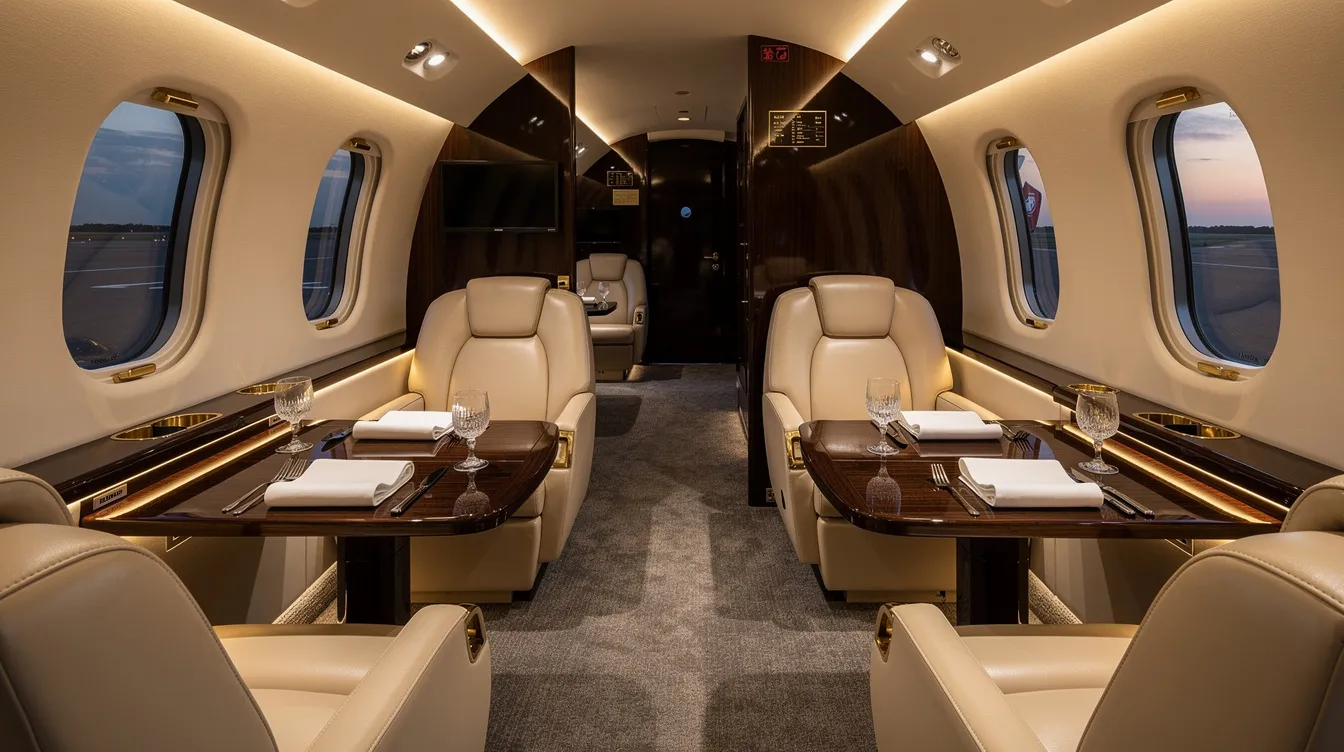
Key Points: How Much Do Flight Attendants Get Paid?
In the U.S., the median flight attendant salary is about $67,130, while industry reports place the average salary near $78,950, though pay can vary depending on airline, seniority, schedule, and route mix. According to the Bureau of Labor Statistics, the best-paid 25% earn around $98,160, while the lowest-paid 25% make about $52,280, figures that can mirror compensation in other aviation roles, such as private jet sales careers,s or leadership positions at top private jet companies where performance and client relationships drive high-end earnings.
Flight attendant compensation includes base hourly flight pay, per diem, benefits, health insurance, travel perks, and premiums for a lead flight attendant, language-qualified crew members, or a senior flight attendant. Key points: a new hire at a major U.S. airline may earn about $28,000–$35,000 in the first year, including per diem; mid-career,r many flight attendants reach roughly $60,000–$85,000; top senior flight attendant earnings can reach $95,000–$120,000+ at some carriers. Private jet cabin crew, including those supporting premium programs like BlackJet’s jet card membership model, often operate at the higher end because service standards, smaller crews, and irregular schedules demand exceptional professionalism.
How Flight Attendant Pay Actually Works
Flight attendant pay is not as simple as watching the clock at the airport. Flight attendants are primarily paid based on “flight time,” meaning they are not paid from the moment they first report, rt but only when the aircraft door closes, either during taxiing or in-flight; in practical terms, pay often starts when the aircraft door closes and stops when it opens, not during boarding, deplaning, waiting, or other unpaid ground time.
Credit hours, block time, and a flight hour all describe how a trip turns into monthly pay. Flight attendants typically log between 75 and 100 hours of flight time per month, but the actual number of hours worked can be higher due to additional duties and operational disruptions across a long duty day.
Most airlines use rigid seniority scales rather than individual performance. Flight attendant pay typically increases each year based on seniority until the employee reaches the airline’s top pay rate, which remains fixed unless a new contract raises the pay scale. Union contract rules at American, Delta, United Airlines, and Southwest Airlines define hourly rate, guarantee, overtime, hotel quality, boarding pay, and diem pay, which makes the system complex to outsiders.
Reserve status also matters. Junior attendants may spend 1–5 years on reserve, depending on base location, airline policies, and staffing needs, while lineholders bid more predictable trips by seniority.
Average Flight Attendant Salary in 2024–2026
Nationally, recent labor statistics show a median annual salary of $67,130, an average salary of $78,950, and a typical nationwide hourly average of $29–$30 per hour. These figures blend regional airlines, major mainline carriers, premium international routes, and different career stages, just as cabin roles on small private aircraft used for tailored missions can differ widely by operator and route.
In broad terms, the lowest-paid 25% make about $52,280; the median is about $67,130; and the top 25% earn about $98,160. Median salary means the midpoint, while average salary can skew higher because top earners, international specialists, and premium-route crew lift the number, similar to how demand for more affordable private jet options, including private plane rideshare services, has broadened who can access private aviation.
Flight attendants generally earn more than many restaurant or hospitality roles and can sit near specialized service or sales positions. Still, total annual income can swing by tens of thousands of dollars because the total compensation for flight attendants varies based on airline policies, union contracts, and individual schedules, just as income predictability can change for frequent travelers who opt into unlimited private jet membership programs or occasionally buy a single seat on a private jet.
Flight Attendant Salary Ranges (2024–2026)
Pay Level | Annual Salary Range | Hourly Rate Range | Notes |
|---|
Entry-Level | $27,000 – $35,000 | $25 – $37 | First 1–2 years; includes per diem |
Mid-Career | $50,000 – $70,000 | Low to mid $30s | Years 3–5; varies by airline and route |
Senior Flight Attendant | $80,000 – $115,000+ | $38 – $90 | Includes premiums for lead roles, languages |
Top 25% (All Levels) | $98,160+ | N/A | Union contracts, international routes |
Starting Pay vs. Senior Flight Attendant Salary
Starting hourly wages for flight attendants typically range from $25 to $37 per hour. For example, a new hire in April 2026 earning around $26–$27 per credit hour and flying about 80 hours per month may land near $28,000–$35,000 in the first year after per diem, though the timing of pay and benefits can differ from the first day of training or work; entry-level flight attendants average annual salaries between $27,000 and $35,000 during their first two years. Starting salaries for flight attendants can vary, but typically, a new flight attendant earns about $47,079 per year, depending on the airline and location.
Some deductions or union-related items may not begin until after initial training, depending on the airline contract.
By years 3–5, hourly rates often move into the low-to-mid $30s per flight hour at many major carriers, with annual salary commonly reaching $50,000–$70,000 depending on flying schedule. Major mainline carriers offer higher pay scales and better contract protections than regional carriers.
With experience, senior flight attendants can earn around $80,287 annually, and some can make as much as $115,000 or more per year. The average hourly salary for a senior flight attendant is around $38.60, with some experienced attendants earning between $80 to $90 per hour on certain contracts or international routes. Attendants fluent in additional languages or who take premium roles receive additional pay on top of their base hourly rate, often $2–$4 per hour for lead, purser, instructor, or trainer work.
Flight Attendant Per Diem, Hotel Accommodations, and Other Pay Components
Per diem is an hourly allowance for time away from base, meant for meals and incidentals. Per diem is separate from flight pay and continues through the layover and rest duration.
Per diem rates for flight attendants, which are paid for every hour away from their home base, typically range from $2.00 to $3.00 per hour, depending on the airline and whether the flight is domestic or international. Staffing and transportation policies can affect flight attendant earnings, with international and long-haul flights often yielding higher per-diem rates.
A four-day assignment with 80–90 hours away from base at $2.25 per hour generates about $180–$200 in per diem. Four similar trips can add $700–$800+ to monthly income. Per diem is generally treated as a non-taxed reimbursement if within IRS guidelines, though every tax situation differs, and compensation structures become even more complex on private charters using aircraft that can seat up to 50 passengers in business-jet comfort or other large-group private jets for around 30 passengers.
Airlines usually pay for hotel accommodations and transportation between the airport and hotel, so per diem mostly offsets meals and small costs. Other pay components include holiday multipliers, minimum day guarantees, deadhead pay, profit-sharing, passport reimbursements, and overtime. The job also brings travel perks that let attendants explore destinations around the world, especially on aircraft like the newest generation of private jets, but irregular hours, jet lag, extended time away from home, and health risks such as cosmic ionizing radiation exposure are real factors.
Reserve vs. Lineholder Schedules and Monthly Hours
A lineholder has a regular monthly schedule awarded through bidding. A reserve flight attendant is on call for last-minute flight, stand-by, or airport-ready reserve assignment, often with less control over days off, while private travelers typically think in terms of Jet Card hourly costs and access guarantees rather than lineholder-style bidding.
Most airlines guarantee a minimum of 70 to 85 flight hours per month, ensuring a baseline paycheck even if flights are canceled. Many U.S. airlines guarantee around 70–75 credited hours per month for reserves and lineholders, while utilization can rise above the guarantee, and both commercial and private crews must adapt to differing duty days when private jets cruise at higher altitudes than many airline flights.
Reserve months can be quiet or heavily used. Per diem still accrues from report time until release or debrief, helping boost pay. Private jet and corporate flight attendants, including crew on aircraft used by BlackJet clients through charter partners, more often work tailored trips under day rates or salaries instead of classic airline reserve systems, with private jet stewardess salaries frequently reflecting their specialized safety and service responsibilities in a sector where private jet safety standards are exceptionally rigorous.
Commercial Airline Flight Attendant Pay vs. Private Jet Cabin Crew Pay
Commercial airline flight attendant pay is usually hourly plus per diem under collective bargaining agreements, and like flight attendants, pilots are also commonly paid under duty-time or flight-time-based systems, though on separate scales. Private and corporate cabin crew may be paid by annual salary, day rate, or trip fee, often negotiated through a company, operator, or management team.
Experienced corporate attendants on aircraft such as a Gulfstream G650 or Global 7500 can earn higher per-trip compensation because the service is personal: catering design, cabin presentation, security service awareness, privacy, and ground logistics may all sit with one crew member, especially on large-cabin jets configured for groups of up to 20 passengers or 16-seat private jet layouts designed for premium comfort. Freelance private crew may earn $500–$900+ per day on long-range aircraft, with per diem or catering budgets added, and elite private plane stewardess roles typically reward those who pair safety expertise with ultra-personalized hospitality.
In private aviation, safety and certification matter as much as polish. Crew supporting BlackJet members are expected to align with top-tier business aviation practices, recurrent training, and complete service standards.
Factors That Influence Flight Attendant Compensation
Flight attendant salaries can vary significantly based on factors such as years of service, class of service (domestic vs. international), and airline policies. Other factors include operator type, aircraft type, base location, schedule, contract terms, and whether the attendant flies low-cost, legacy, premium international, or private jet service, with crews on top-tier private jets worldwide often supporting the most demanding itineraries.
A New York, San Francisco, Dallas, or Atlanta base can affect opportunity and cost of living. High-credit pairings, back-to-back trips, holiday flying, and international routes can raise earning potential for junior and senior crew alike, just as basing decisions matter for owners evaluating UK-based private jets for sale or other region-specific aircraft.
Unionization shapes wages, rest, hotel standards, and schedule protections at most U.S. airlines, while private operators negotiate more individually. Recurrent medical, evacuation, emergency, and security procedures are part of the training passengers pay for, whether in first class or on a private jet, particularly on the most expensive private jet options, where expectations for safety and discretion are highest.
How BlackJet Fits Into the Picture: Private Jet Access and Cabin Experience
BlackJet offers Jet Card programs, including 25-hour and 50-hour options, giving members prepaid private jet access across multiple cabin classes with 24/7 digital booking, real-time support, safety certification, and carbon-neutral flights as standard, all within a transparent private jet price framework that helps clients compare options.
BlackJet does not publish specific cabin crew pay, but we partner with vetted operators that meet rigorous safety and service standards. That means cabin crew is trained and compensated to match the expectations of high-net-worth and corporate travelers, particularly on structured products like the BlackJet 25+ Hour Jet Card, and when clients compare alternatives such as Flexjet Jet Card pricing and benefits.
The private model changes the moment: travelers are not working around an airline schedule; the flight is built around them. A BlackJet 25 Hour Jet Card member flying from New ew York to London on a large-cabin aircraft can depart on a custom timeline, work in privacy, rest in a quiet cabin, and rely on a dedicated attendant to manage bespoke catering and refined service.
Technology also protects the journey. When a website verifies an account, blocks malicious bots, or displays performing security verification, security verification, verification successful, or respond ray id messages, the goal is controlled access; BlackJet applies the same discipline to digital booking, trip support, and operational security for members evaluating structured products like a 100 Hour Jet Card program, a 50 Hour Jet Card option, or comparing NetJets Jet Card costs and structures without letting a bot disrupt the experience.

FAQ: Flight Attendant Pay, Per Diem, and Private Travel
What is the average salary for a flight attendant in 2026? The median is about $67,130, while the average salary is near $78,950, based on BLS and industry reporting. Actual salary varies by airline, contract, base, and schedule.
How much do starting flight attendants make? Starting pay often falls between $25 and $37 per hour, with first-year income commonly around $28,000–$35,00, including per diem and guarantees. Much pre-flight work before the aircraft doors close is unpaid, which can frustrate new hires.
What is per DDIemand? How does it work? Per diem is extra compensation paid for every hour away from home base. It covers meals and incidentals, not the hotel.
Do senior flight attendants earn significantly more? Yes. Seniority can lift pay toward $90,000–$115,000+ annually, especially with international flying, premiums, and overtime.
How does private jet cabin crew pay compare to airline pay? Private crew often use salaries or day rates rather than standard airline hourly scales, and they typically work alongside private jet pilots whose salaries also reflect aircraft complexity, certifications, and demanding schedules, especially on long-range private jets built for nonstop global travel. Strong private client relationships can create premium earning potential.
How does BlackJet ensure high-quality cabin service? BlackJet works with vetted operators, strict safety standards, trained crew, and carbon-neutral operations so every trip is supported by professionals who understand safety, discretion, and elevated service.
Elevate Your Travel: Why Understanding Cabin Crew Pay Matters
Flight attendant compensation pays for more than hospitality. It reflects safety expertise, regulatory training, judgment, and the ability to manage complex situations in the air.
Commercial flight attendants often earn roughly $50,000 to $100,000+, depending on seniority and schedule, while private jet cabin crew can command premium pay aligned with a bespoke experience. For travelers who value time, privacy, and control, BlackJet turns the cabin team into part of a seamless travel strategy, especially for frequent flyers who evaluate the best jet card programs, compare Jet Card cost per hour across providers, or review NetJets Jet Card pricing to balance cost, flexibility, and guaranteed access.
Explore BlackJet Jet Card membership to experience the difference between mass-market air travel and tailored, safety-forward private jet access supported by top-tier cabin professionals, using a solid grasp of jet card pricing structures and benefits to choose the right fit for your flying pattern.
Conclusion: The Strategic Value Behind Flight Attendant Pay in 2026
Understanding how much airline attendants get paid in 2026 reveals more than just numbers—it highlights the critical role these professionals play in ensuring safety, comfort, and seamless travel experiences. Whether in commercial aviation or private jet service, compensation reflects years of training, certification, and the ability to deliver impeccable service under demanding conditions.
For aspiring flight attendants, knowing the salary landscape—including starting pay, per diem, and seniority growth—helps set realistic career expectations and highlights the future potential within this dynamic profession. For travelers and private jet clients, recognizing the expertise and dedication behind cabin crew pay underscores the value embedded in every journey.
At BlackJet, we recognize that exceptional cabin service is foundational to our promise of safety, sustainability, and personalized luxury. Our Jet Card programs connect members to vetted operators and highly trained crew whose compensation aligns with the highest standards of private aviation. This strategic approach to cabin crew pay ensures that every flight is not just transportation but an elevated experience tailored to your needs.
Elevate your travel with BlackJet—where expert cabin crew, rigorous safety, and carbon-neutral flights come together to redefine what private jet access means for the future of refined, efficient travel.


 Sign up with google
 Sign up with Apple


