The market for classic aircraft remains remarkably robust in 2026, with the Piper J-3 Cub standing as one of aviation’s most sought-after taildraggers. Whether you’re searching online listings or connecting with specialized brokers, finding a Piper J3 for sale requires knowing what separates a sound investment from a restoration project. This guide delivers comprehensive information—including specifications, history, and sale details—alongside market intelligence, evaluation frameworks, and strategic insights to help prospective Piper J-3 Cub buyers navigate the purchase with confidence, even as they compare competing access models like Flexjet Jet Card costs and benefits.
Key Takeaways
Current market data shows airworthy Piper J-3 Cubs ranging from approximately $30,000 for entry-level flyers to $100,000+ for premium float-equipped examples in 2026, with pricing driven by engine type, restoration quality, and modifications.
Readers will examine concrete listing examples—including a 1945 Piper J-3 Cub listed for $42,500 with 6600 total time and a beautifully refurbished 1946 Piper J-3 Cub available for $70,000 with only 993 hours since new—to understand what affects value.
A Piper J-3 Cub can complement modern private jet access via BlackJet Jet Cards, serving as an ideal aircraft for short scenic hops, tailwheel training, or pure recreational flying while Jet Cards handle time-critical business travel.
Safety, maintenance history, and inspection records demand the same scrutiny for a vintage 1946 Piper J3 as for any turbine aircraft—this guide details exactly what to check before making an offer.
The conclusion addresses how discerning travelers can pair classic taildragger ownership with BlackJet’s carbon-neutral private jet programs for a complete aviation strategy spanning local pleasure flights to intercontinental business missions.
Why a Piper J3 for Sale Still Matters in 2026
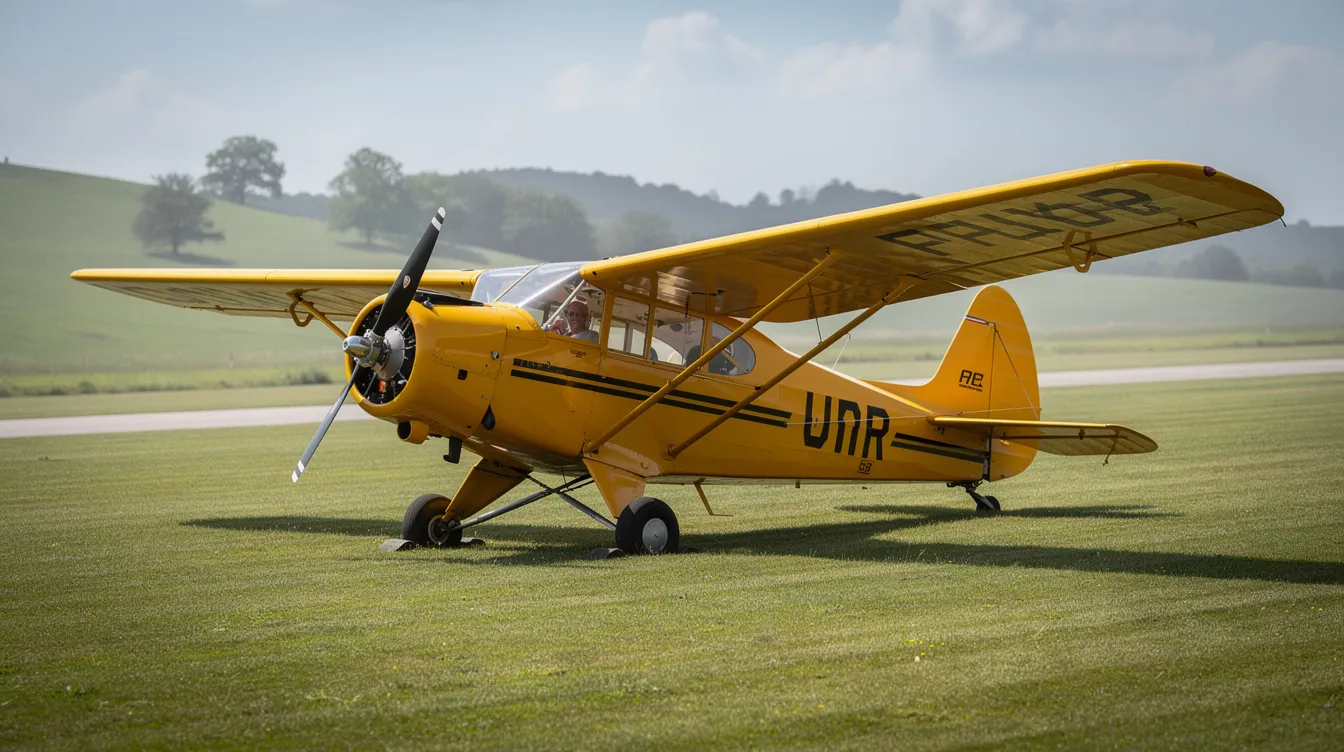
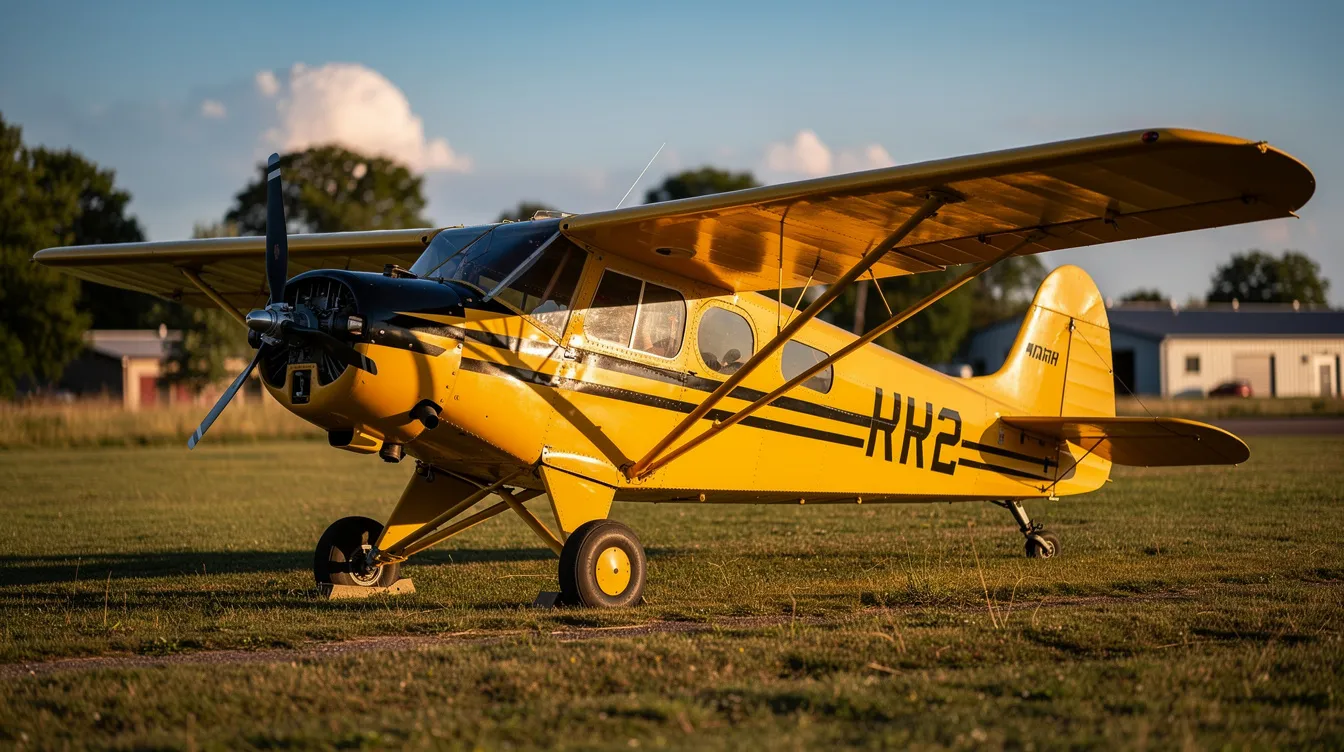
The J-3 is an iconic high-wing tandem trainer known for its simple, lightweight design and distinctive “Cub Yellow” paint that has become synonymous with general aviation itself. Production peaked between 1940 and 1947, with over 5,400 examples built. Today, thousands remain airworthy worldwide, a testament to both the aircraft’s rugged design and the passionate community that maintains them.
In 2026, well-maintained J-3 Cub aircraft serve multiple roles across the aviation landscape. Weekend flyers keep them at smaller GA airports for dawn patrols over coastal bluffs. Collectors prize them as living museum pieces. Flight schools use them to teach tailwheel fundamentals. Backcountry enthusiasts appreciate their short-field capability for strip access that would challenge more complex machines.
Piper J-3 Cubs are popular as Light Sport Aircraft (LSA), which allows pilots to fly without a medical certificate under BasicMed or Sport Pilot rules. The Piper J-3 Cub has been a popular choice for restoration projects due to its classic design and historical significance in aviation, making it both accessible to newer pilots and appealing to experienced aviators seeking a return to stick-and-rudder fundamentals.
Compare a 65–100 HP Piper J3 cruising at roughly 65 knots with short-field capability to the jets used by BlackJet clients for business travel, or to other options outlined in guides to the best small private aircraft for different missions and the cheapest private jet options for every traveler. The contrast is deliberate: the J-3 isn’t a substitute for executive transport—it’s a complementary aircraft for pure flying enjoyment and local airfield access that no turbine can replicate.
Many high-net-worth individuals and executives already use Jet Cards for long-range missions, often after reviewing a comprehensive private jet price list and access options or browsing premium private jets for sale in the UK, while owning or co-owning a classic Piper J-3 Cub for low-altitude pleasure flying and instructional time. The sections that follow walk through current price ranges, real-world listings, pre-buy inspection protocols, regulatory considerations, and how to integrate a J-3 into your overall private aviation strategy.
Current Market Overview for Piper J-3 Cub Listings
The 2026 market shows most airworthy Piper J-3 Cubs priced roughly between $30,000 and $100,000, depending on year, engine configuration, restoration quality, and modifications such as floats, upgraded radios, or metal spars. Understanding these pricing bands helps you set realistic expectations before beginning your search.
Entry-Level Flyers ($30,000–$45,000)
Late-1940s J-3s in this range typically feature higher total time (4,000+ hours), Continental A-65 engines with 1,000+ hours since major overhaul, and older fabric coverings. These plane options appeal to buyers comfortable with ongoing maintenance or those viewing the aircraft as a proficiency-building platform rather than a pristine collector’s piece.
Mid-Range Restored Aircraft ($45,000–$75,000)
This category includes 1940–1946 J-3s with relatively low engine hours SMOH, sealed lift struts, and updated propeller and communication equipment. Many feature metal spar wing conversions and modern brakes. Expect documented maintenance histories and recent annual inspections.
Premium & Specialty ($75,000–$100,000+)
Float-equipped or highly modified examples command top-tier pricing. A 1946 Piper J3 with Baumann floats, C-90 engines providing 85–90 HP, wing tanks extending range, and extensive refurbishment can approach or exceed $100,000. These aircraft offer utility beyond standard wheel operations.
Location and hangar history significantly influence asking prices. An aircraft always hangared in dry California climates versus one stored outdoors in humid or harsh conditions may differ by $5,000–$10,000 due to corrosion risk and fabric condition. When you explore listings on any website, pay attention to storage info and geographic location.
Buyers should look beyond the headline asking price and consider total ownership cost—hangar fees, insurance premiums, and annual inspection expenses. For some, the math may favor simply using a Jet Card membership with predictable pricing or exploring the cheapest private aircraft and budget-friendly options for all flying needs. For others passionate about hands-on aviation, the J-3 delivers value no charter can match.
Example Piper J-3 Cub Listings You’re Likely to See
These profiles mirror real 2024–2026 listings to help you interpret what you’ll encounter when searching “piper j3 for sale” across aviation marketplaces like Barnstormers, PlaneCheck, and specialized forums.
1945 Piper J-3 Cub: The Mid-Range Value Play
A 1945 Piper J-3 Cub is listed for $42,500, featuring 6600 total time and a Continental A-65 engine with 1100 hours since major overhaul. This example includes sealed wing struts, recent maintenance on landing gear, brakes, and fabric in good condition. The tt may be higher than some buyers prefer, but solid corrosion-proofing and a running engine make this aircraft attractive for immediate flying rather than extended restoration.
1946 Piper J-3 Cub: Beautifully Refurbished
A 1946 Piper J-3 Cub is available for $70,000, with a total time of 993 hours since new and beautifully refurbished. This example represents the sweet spot for collectors and recreational flyers alike—low airframe time paired with comprehensive restoration work. Many restored Piper J-3 Cubs have documented restoration histories, including details on engine overhauls and airframe refurbishments. When you view this listing type, expect premium pricing justified by exceptional condition and provenance.
1946 Piper J-3 Cub on Floats: Premium Utility
A 1946 Piper J-3 Cub with floats is on the market for $99,995, featuring a C-90-12F engine and various modifications, with a total time airframe of 3795 hours. This aircraft includes Baumann floats, electric-start capability, and 24-gallon wing tanks for extended range, a stark contrast to long-range private jets designed for nonstop intercontinental travel. Unique modifications allow safe solo operation from either front or rear seat—a significant advantage for float operations. This price point reflects the specialized utility and engineering required for water-based flying.
1947 J-3 Cub: Turnkey Taildragger
A 1947 model priced at approximately $37,500 demonstrates what a solid, flyable aircraft looks like at a moderate price. Typical specifications include:
Specification | Detail |
|---|
Total Time | ~4,365 hours |
Engine | Continental A65-8F |
Hours SMOH | ~1,170 (mid-1990s overhaul) |
Wing | Metal spar conversion |
Struts | Sealed lift struts |
Brakes | Grove disc brakes |
Fabric | Ceconite (1975) |
Annual | Current (example: April 2025) |
Upgrades like metal spars and modern disc brakes improve safety and ease of maintenance. The older fabric may need attention within the next decade, but it remains airworthy with proper care.

Technical Specs and Performance of the Piper J 3 Cub
Most classic J-3 Cub aircraft share core performance characteristics, though exact numbers vary by engine type and modifications. Understanding these baseline specifications helps you evaluate whether a particular model meets your mission requirements.
Key Baseline Specifications
Parameter | Value |
|---|
Empty Weight | 680 lbs |
Gross Weight | 1,220 lbs |
Useful Load | ~540 lbs |
Standard Engine | Continental A-65-8 |
Horsepower | 65 HP |
Fuel Capacity | 12–18 gallons (standard) |
The Piper J-3 Cub has an empty weight of 680 lbs and a gross weight of 1,220 lbs, yielding a useful load sufficient for pilot, passenger, fuel, and modest baggage. The aircraft is powered by a Continental A-65-8 engine, which provides 65 HP in standard configuration.
Performance Figures
The cruise speed of the Piper J-3 Cub is 65 knots, with a stall speed of 33 knots and a range of 146 miles on standard tanks. Aircraft equipped with wing tanks can extend range to 170–200 miles, depending on configuration. Short-field capability remains exceptional—expect 200–300 feet for takeoff on grass strips.
Common Upgrades and Their Impact
Restoration of the Piper J-3 Cub often involves significant upgrades, such as engine modifications and new fabric covering, to enhance performance and safety. Key upgrades include:
Engine Upgrades (85–100 HP): C-90 or O-200 engines provide stronger climb rates and better float operations, but increase fuel burn from 4–5 gallons/hour to 5–6 gallons/hour
Metal Spars: Eliminate wooden spar inspection concerns and improve structural durability
Sealed Lift Struts: Reduce corrosion risk and simplify maintenance
Modern Brakes: Grove disc brakes improve stopping distance by 20–30% over original drum systems
Upgraded Avionics: Garmin GTR 225 radios and ADS-B transponders improve safety and airspace access
While performance remains modest compared to even the smallest private jets, the Piper J3 offers unparalleled low-speed handling and visibility that many BlackJet clients value for recreational flying. The subject of performance should be viewed through the lens of what the J-3 does uniquely well—not what it cannot do.
How to Evaluate a Piper J3 for Sale (Pre-Buy Checklist)
Buying a 1940s-era aircraft demands a disciplined pre-buy process, similar in seriousness to evaluating turbine aircraft. This is especially true for safety-oriented, time-poor buyers who expect the same standards they apply to private jet travel.
Logbook and Documentation Checks
Key considerations when buying a Piper J-3 Cub include inspecting the airframe for rust, wooden wing spars for rot, and reviewing maintenance logs for completeness. Before examining the physical aircraft, verify:
Continuous logbooks from original 1940s entries to the present with no suspicious gaps
Airworthiness directive (AD) compliance, particularly on wing struts, spars, and engine components
Dates and quality of fabric recoverings, major overhauls, and STC-approved modifications
Text entries should be legible with appropriate A&P/IA signatures
Airframe Inspection Points
Inspecting for airframe rust, fabric condition, and engine health is crucial when buying a Piper J-3 Cub, particularly since many have sat idle for long periods. Focus on:
Steel tube fuselage corrosion, especially at cross-tubes and gear attachment points
Pre-1946 Piper J-3 Cubs commonly have wooden spars, which necessitate checking for rot and cracks during inspections
Control cable condition, pulley systems, and tailwheel assembly
Landing gear geometry and alignment
Fabric Evaluation
The life of the fabric covering on a Piper J-3 Cub can often last 20 or more years; checking for brittleness or wrinkles is essential. Ask about:
Date of last recovery and fabric type (Ceconite, Razorback, etc.)
UV exposure history based on storage conditions
Any patches or repairs and their documentation
Engine and Propeller Assessment
Confirm engine type matches documentation (e.g., Continental A65-8F vs. C-90-12F)
Review total time, hours SMOH, and calendar time since last overhaul
Request compression test results (target: 60–70 PSI)
Examine the propeller for nicks, corrosion, and compliance with life-limit requirements
Check oil analysis records for bearing wear indicators
Avionics and Electrical
Identify installed radios, intercom systems, and transponder status. While a J3 Cub can operate VFR with minimal equipment, modern comms and ADS-B compliance may be required for certain airspace and can impact resale value significantly.
Professional Pre-Buy Recommendation
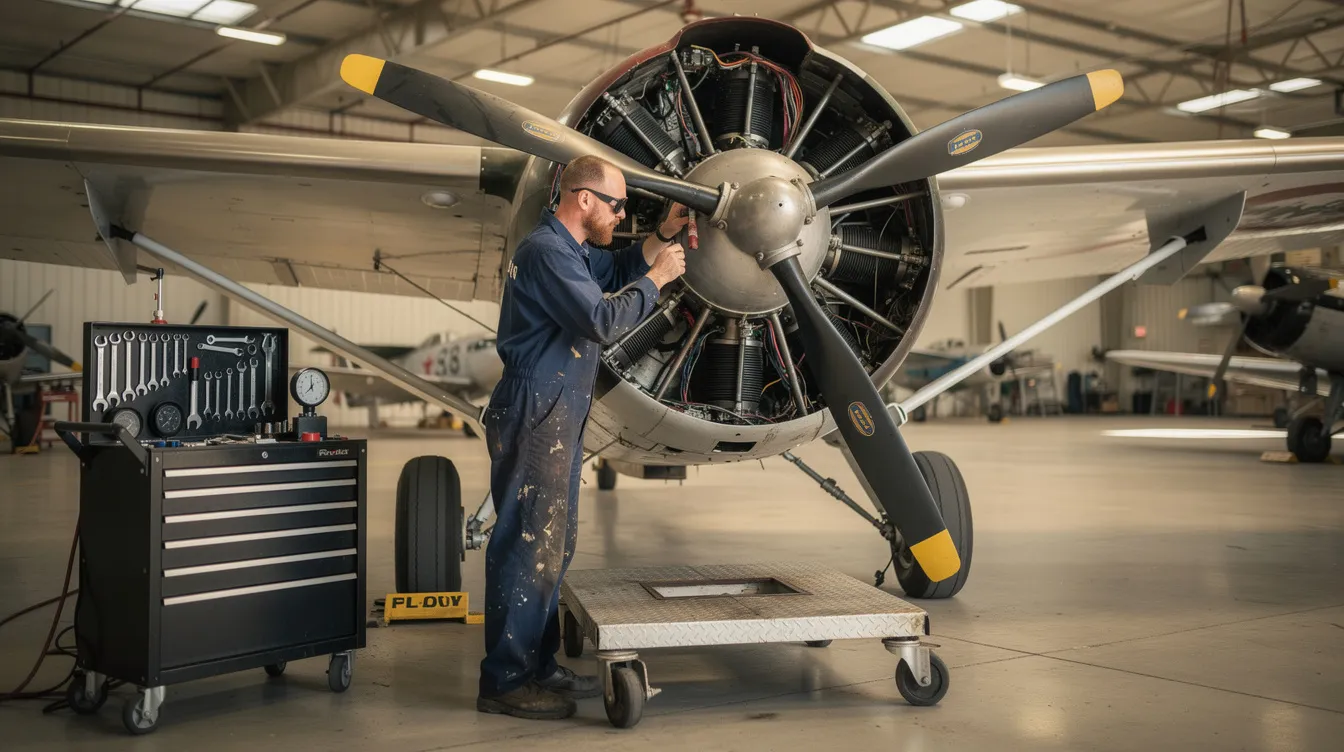
Engage an A&P/IA with specific Piper J-3 Cub experience to conduct a comprehensive pre-buy inspection at the seller’s location. Budget $1,200–$2,500 for a thorough evaluation. For high-net-worth buyers, outsourcing this due diligence saves time and ensures an ownership experience aligned with the safety expectations they already apply to private jet travel. Use filters to narrow your search to inspectors with vintage tailwheel specialization.
Ownership Costs and How a Piper J3 Fits Beside Private Jet Access
While the acquisition cost of a Piper J-3 Cub can fall under $50,000 for airworthy examples, ongoing ownership expenses, regulatory compliance, and time commitment deserve careful consideration against alternatives like chartering or Jet Card access.
Typical Annual Fixed Costs
Expense Category | Estimated Annual Cost |
|---|
Hangar (mid-market U.S.) | $1,800–$3,600 |
Tie-down (outdoor) | $400–$900 |
Insurance (hull + liability) | $500–$1,200 |
Annual Inspection | $800–$1,500 |
Maintenance Reserve | $500–$1,500 |
Total | $4,000–$8,700 |
Insurance costs vary significantly based on pilot experience. Low-time tailwheel pilots face premiums 30–50% higher than experienced pilots with clean records
Comparing Dollars and Time
For 25–50 flight hours annually, the total cost of operating a 1946 Piper J3 falls between $6,000 and $10,000, including fuel, insurance, hangar, and maintenance reserves—figures that can be compared directly with Jet Card cost per hour benchmarks. Compare this to a 25-hour Jet Card program providing regional business or leisure trips in light or midsize jets—or even evaluating 10 million dollar private jet ownership options—different aircraft for fundamentally different missions.
Sample Use-Case Scenario
An executive based near Redondo Beach, California, keeps a restored Piper J-3 Cub with a 65 HP engine and approximately 500 hours SMOH in a local hangar for weekend coastal flights. The same individual uses a BlackJet Jet Card to fly direct from Los Angeles to Denver, New York, or Cabo on short notice, enjoying carbon-neutral flights and full-cabin privacy.
This combination offers both the joy of hands-on flying and the strategic advantage of fast, secure business travel, which in some cases may even extend to considering 12-seater private jet ownership or charter costs or other 16-seat private jet options for ultimate comfort and convenience for family or team trips. For many BlackJet clients, the right answer is not “jet or Cub,” but a set mix: an owned classic for passion and proficiency, supported by on-demand Jet Card access for time-critical missions where questions of speed and reliability matter most.
Safety, Certification, and Sustainability Considerations
A 1940s taildragger must meet modern regulatory and safety expectations, particularly for owners accustomed to the stringent standards and third-party audits applied in private jet operations.
Safety and Pilot Proficiency
The Piper J-3 is a tailwheel aircraft requiring proper training before solo flight. Many insurers mandate 10–20 hours of dual instruction with a qualified CFI before extending full coverage. Recurrent training emphasizing crosswind techniques, short-field operations, and energy management keeps skills sharp.
Maintenance and Certification Requirements
Current annual inspections by A&P/IA
Transponder and altimeter checks were applicable
AD compliance verified and documented
Choose maintenance providers familiar with fabric-covered aircraft and classic Continental engines
Sustainability Perspective
Piston aircraft like the Piper J-3 Cub burn 100-LL avgas and are not inherently carbon-neutral. Environmentally conscious owners can offset personal carbon emissions through reputable carbon offset programs and efficient flight planning.
BlackJet’s premium private Jet Card and charter flights are structured to be carbon-neutral by default, with emissions measured and offset at no additional cost to clients. Many who enjoy classic, low-tech aircraft locally rely on BlackJet for longer missions where modern, efficient jets plus verified offsets deliver a better environmental profile per passenger-mile than fragmented commercial itineraries or unoptimized piston operations.
How BlackJet Complements Classic Aircraft Ownership
Many Piper J-3 Cub shoppers are already invested in private aviation and now seek to add a heritage aircraft to their portfolio without sacrificing seamless access to modern jets for business travel, often after reviewing a broad private jet price list with ownership and charter options or tracking billionaire private jet price trends in 2026.
BlackJet’s Jet Card Model
BlackJet offers prepaid 25-hour and 50-hour Jet Card blocks across multiple cabin classes, with 24/7 digital booking tools and real-time support mirroring the on-demand convenience owners expect, and dedicated products like the BlackJet 25+ Hour Jet Card for flexible, longer-term access. Access to rigorously vetted operators and aircraft meeting leading safety standards ensures every flight aligns with the expectations of discerning travelers who compare the best jet cards for frequent flyers across providers.
Integration with J-3 Ownership
Consider a client who keeps a 1946 Piper J3 Cub on floats at a lakeside property for summer weekends while using BlackJet’s light jet access for weekday city-pair routes. This separation allows the Cub to remain a low-pressure, joy-of-flight machine while BlackJet handles time-sensitive, weather-dependent itineraries through options that can even include buying a single seat on a private jet when whole-aircraft charter isn’t necessary, taking advantage of how high private jets fly compared to commercial flights for smoother, faster routes.
BlackJet’s platform offers instant quotes, aircraft category selection, and support on everything from catering to ground transport—freeing owner time so they can focus on flying their J-3 purely for enjoyment while understanding their Jet Card cost per hour and how it compares with NetJets Jet Card cost and program details.
For those evaluating a Piper J3 for sale, explore how a BlackJet Jet Card can round out your aviation strategy with carbon-neutral, professionally crewed flights for business and family travel, especially once you understand Jet Card pricing structures and benefits and how to maximize your Jet Card tax deductions. Discover how refined, meaningful aviation becomes your standard—on the ground and in the air.
Frequently Asked Questions About Buying a Piper J3 and Using Private Jet Access
These FAQs address common questions not fully covered above, with concise, direct answers for prospective buyers.
How much does a typical 1946 Piper J3 Cub cost in 2026?
Airworthy 1946 Piper J3 Cubs generally range from roughly $30,000 to $80,000+, depending on engine type (65 HP vs. 85–100 HP), hours since major overhaul, condition of fabric and paint, avionics, and whether the aircraft is on wheels, skis, or floats. Museum-quality restorations or highly equipped floatplanes can approach or exceed $100,000, while projects needing fabric and engine work can be significantly cheaper but require substantial investment in time and capital.
Is a Piper J-3 Cub a good first aircraft for a new owner-pilot?
The Piper J-3 can be a rewarding first aircraft if the pilot trains thoroughly with a tailwheel instructor and maintains realistic expectations about the aircraft’s limitations—day VFR only, low speed, basic instrumentation. For brand-new pilots, completing primary training in modern trainers first, then transitioning into a J-3 with experienced guidance, typically leads to safer outcomes and faster insurance approvals.
What insurance challenges should I expect with a Piper J3 Cub?
Insurers may require a minimum number of tailwheel instruction hours, dual sign-offs, or supervised solo time before offering full coverage, especially for low-time pilots. Contact aviation insurers early in your search to obtain quotes and understand requirements before making an offer on a specific J-3 Cub. Premium differences between new tailwheel pilots and experienced ones can exceed 50%.
Can I use my Piper J3 for business travel instead of chartering a jet?
While some owners occasionally use a J-3 for short regional hops, its low speed (65 knots cruise), limited payload, and weather sensitivity make it poorly suited for serious business travel. Time-critical or multi-city trips are better served through private jet charter cost-effective options or structured products such as a 100-hour Jet Card program like those offered by top private jet companies for luxury travel and service, while the Piper J3 remains an ideal tool for local, experiential flying and proficiency maintenance.
How do BlackJet’s carbon-neutral flights compare environmentally to flying a J-3 Cub?
BlackJet’s partner operators use efficient turbine aircraft, and BlackJet offsets 100% of calculated emissions, making each flight carbon-neutral from a program standpoint, whether you’re booking U.S. routes or arranging private jet charters in Karachi and other international gateways. J-3 Cub operations burn leaded avgas and typically require separate offsets if sustainability is a priority. Owners who care about environmental impact often choose to offset their personal flying while relying on BlackJet for longer, more efficient trips on the newest generation of private jets with advanced efficiency and safety features, where per-passenger-mile emissions can be lower than fragmented alternatives.
Conclusion: Elevate Your Aviation Experience with a Piper J3 and BlackJet
Owning a classic Piper J-3 Cub offers an unparalleled connection to the roots of aviation—a hands-on, joyful flying experience that complements the strategic advantages of modern private jet access. Whether you seek scenic weekend flights, tailwheel proficiency, or a storied aircraft that reflects aviation heritage, the Piper J-3 Cub remains a compelling choice in 2026.
Yet, for discerning travelers balancing passion with business demands, combining J-3 ownership with BlackJet’s Jet Card programs unlocks the best of both worlds. BlackJet delivers seamless, carbon-neutral private jet access with rigorous safety certification, cutting-edge technology, and unmatched flexibility, comparable in refinement to the best private jets in the world for luxury and performance. This integration ensures you never compromise on speed, comfort, or sustainability when time is critical.
Explore how BlackJet’s premium Jet Card offerings can elevate your travel—effortlessly bridging the gap between classic aviation enjoyment and modern executive mobility, even when you’re comparing them with 15 million dollar private jet features and ownership options. Visit BlackJet.com to discover bespoke private jet solutions designed for the sophisticated traveler who values both heritage and innovation. Elevate your journey today, and redefine what private aviation means for you.


 Sign up with google
 Sign up with Apple