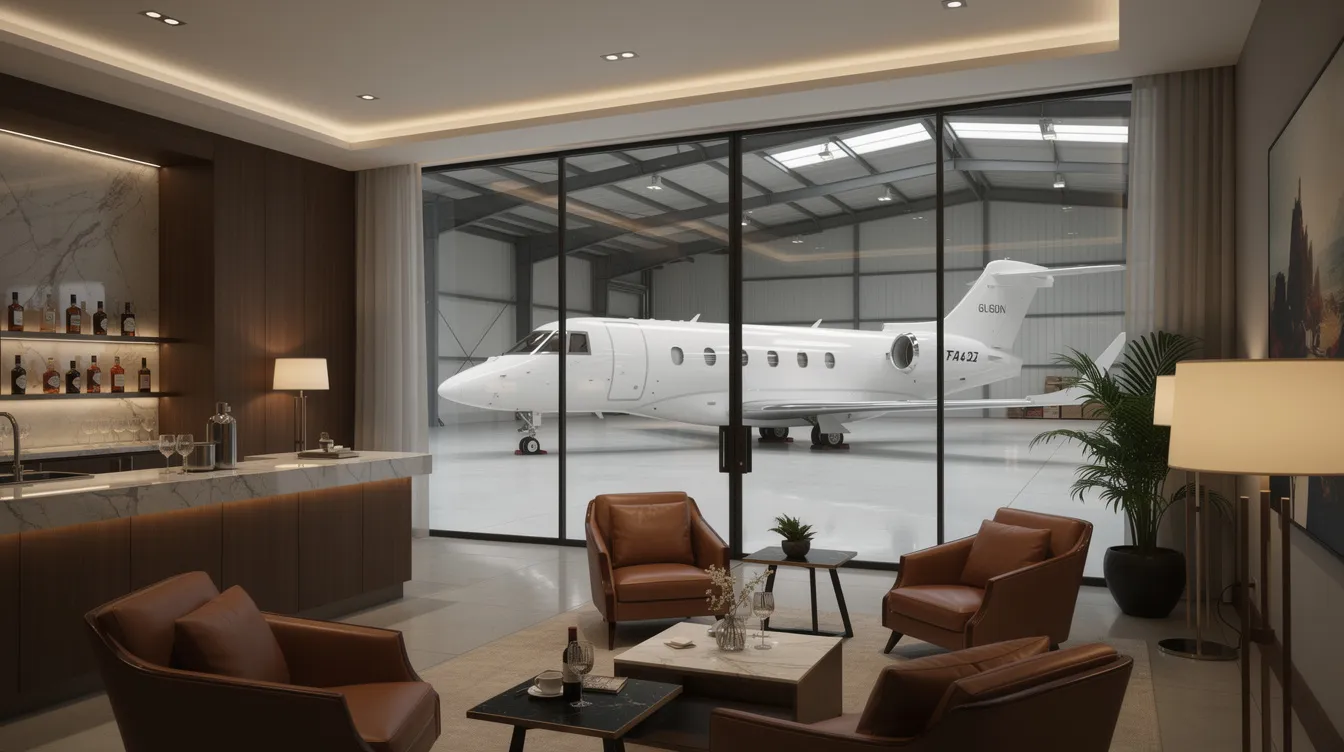
For BlackJet members, a private jet in a hangar is not simply an image of luxury travel. It is strategic infrastructure: the place where safety, readiness, privacy, maintenance, and the next journey are protected before passengers ever board.
Consider New York to Miami. A private jet flight can take about 2h45 in the air, while commercial first class often adds 3–5 hours of ground time through major airports, check-in, security, baggage, and transfers. BlackJet’s carbon-neutral jet card model is built to remove that friction.
Choosing the right hangar is an investment in security, operational efficiency, and long-term asset protection—a crucial component of aircraft ownership and management. Where and how a private jet is stored affects cabin comfort, dispatch reliability, and whether the aircraft is flight-ready at the moment you arrive. That is why BlackJet partners with premium FBOs and private hangars rather than owning every site, giving members flexible access across the country and the world.
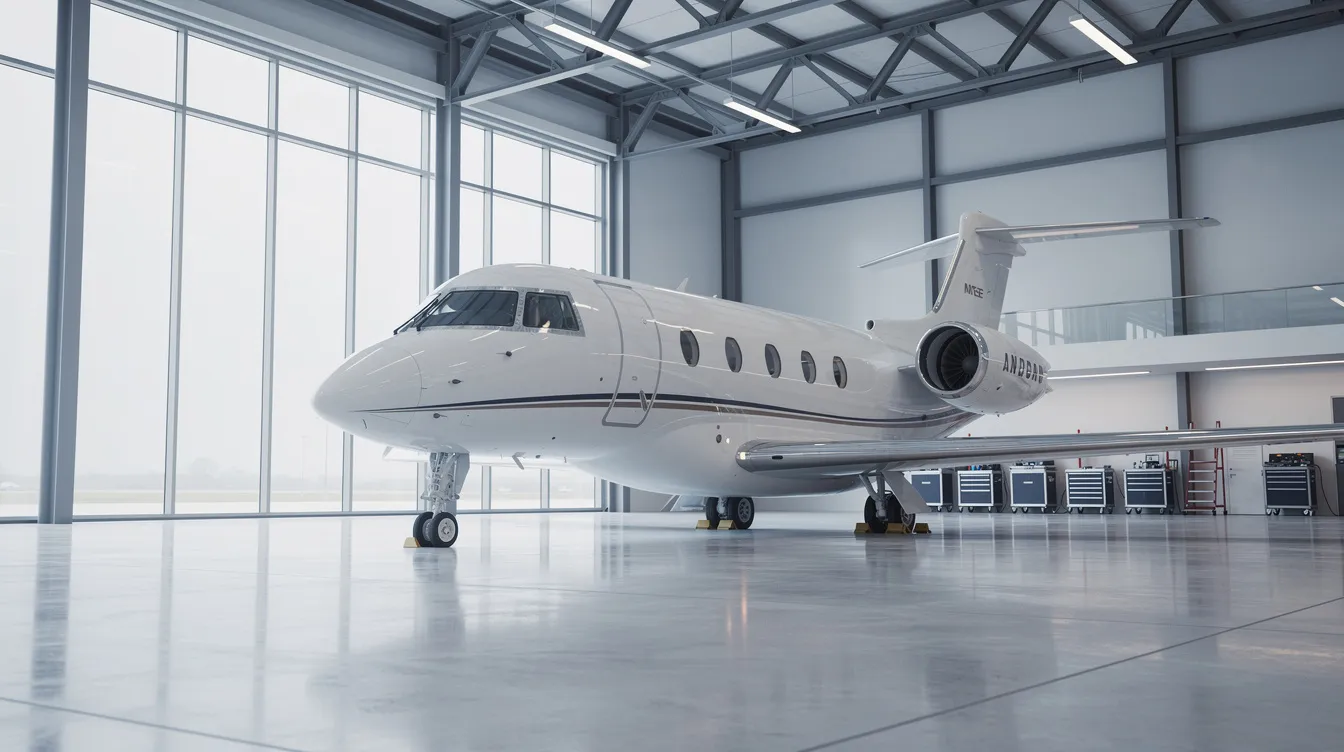
Private Jet Hangar Basics: More Than Four Walls and a Door
A private jet hangar is an enclosed aviation facility designed to house, store, service, and protect an airplane from the elements. Jets are rarely left to park on the ramp long-term because rain, snow, hail, high winds, UV, debris, and salt air can damage planes and increase cost.
Typical size depends on the aircraft. A light jet may need roughly 4,000–5,500 sq. ft.; a midsize jet, such as a Citation XLS,+ may need about 5,250 sq. ft.; a Challenger 350 may require around 6,800 sq. ft.; and a Global 6000 can push beyond 10,000 sq. ft. with a wide door and deep hangar space.
Even standard hangars include a paved apron, power, basic security, and shelter. Box hangars are simple, rectangular buildings designed to house one or a few small aircraft, providing basic protection and security but lacking advanced features for larger jets. T-hangars are designed for maximum space efficiency, allowing multiple smaller planes to be stored in a single building, but they can increase the risk of accidental damage due to their cramped quarters. Executive hangars are large, custom-built facilities designed specifically for corporate jets, featuring climate control, advanced security systems, and ample space for maintenance and ground support equipment.
Ramp parking: lowest rent, highest exposure.
Basic hangar: better protection, limited amenities.
Premium private hangar: higher cost, stronger readiness, comfort, and operational excellence.
BlackJet selects companies whose aircraft are based in professionally managed facilities at hubs such as Teterboro, Van Nuys, Palm Beach, and London Luton, aligning ground operations with the broader reality that private jet travel is highly safe, with rigorous standards and oversight.
Hangar Types and Features Comparison Table
Hangar Type | Size Range (sq. ft.) | Key Features | Ideal For | Typical Monthly Cost |
|---|
Ramp Parking | N/A | No shelter, exposed to elements and damage | Short-term parking | Lowest |
Box Hangar | 4,000 – 7,000 | Basic protection, simple rectangular design | Small aircraft | $1,500 – $3,000 |
T-Hangar | 1,200 – 2,000 | Space-efficient, multiple aircraft, cramped | Small planes, cost-conscious | $1,000 – $2,500 |
Executive Hangar | 7,000 – 20,000+ | Climate control, advanced security, and Type Sizeunges | Corporate jets, luxury | $3,000 – $7,000+ |
Costs vary by location and amenities.
Why Climate Control Inside the Hangar Really Matters
Modern business aviation interiors include leather, veneers, composites, sealants, and sensitive avionics. A climate-controlled hangar environment shields sensitive avionics and interiors from harsh weather, humidity, and temperature fluctuations that can cause significant wear over time.
Key benefits:
Indoor storage acts as a vital barrier against rust, helping to prevent metal corrosion caused by humidity and moisture.
Hangars shield the aircraft from rain, snow, hail, and high winds, preventing water intrusion and structural damage from severe weather events.
Prolonged exposure to sunlight can fade paint, degrade exterior seals, and ruin the leather interiors of aircraft.
Temperature swings and humidity fluctuations can cause significant wear over time on aircraft, making climate control essential for maintaining their longevity and airworthiness.
Advanced climate control systems in luxury hangars are designed to maintain stable temperatures and humidity levels, which are critical for preserving the aircraft’s performance and aesthetics.
Ideal ranges are often 18–24°C / 64–75°F and 40–55% humidity; the FAA notes moisture is a major contributor to avionics corrosion in AC 43-206.
Hangars eliminate the need for costly and time-consuming de-icing in many winter departures, and indoor storage reduces the frequency of expensive mechanical repairs over time. For BlackJet, climate control is non-negotiable in harsh environments such as Northeast winters, Gulf humidity, and desert heat.
Security and Privacy: How a Private Hangar Protects Every Flight
For executives, family offices, and public figures, secure private aviation is about discretion as much as speed. A valuable asset should not sit exposed to theft, vandalism, camera phones, or accidental ground damage.
Hangars with controlled access and security measures prevent theft, vandalism, and accidental ground damage from vehicles. Top-tier hangars feature comprehensive security systems, including round-the-clock surveillance cameras, state-of-the-art alarm mechanisms, and tightly controlled access points to prevent unauthorized entry. Luxury hangars often incorporate multi-layered security protocols and advanced fire suppression systems specifically designed for aviation assets.
BlackJet prioritizes audited facilities, including IS-BAH-aligned FBOs where appropriate; IBAC describes IS-BAH as a standard for business aircraft handling and safety management.
Example: a CEO arrives by car at TEB, passes controlled gate access, enters a quiet lounge, and can depart within 10–15 minutes. No public terminal, no crowd, no unnecessary exposure—whether they’re flying solo or coordinating the best private jet options for 20 passengers and group itineraries.
Hangar Management and Maintenance Synergy
Hangar management is operations, not real estate. It includes towing, fuel coordination, cleaning, lav service, de-icing planning, catering, slot timing, pilots, and maintenance access.
Professional hangar management reduces hangar rash, scheduling conflicts, and unnecessary positioning flights. Many premium hangars offer on-site maintenance and operational support, ensuring that aircraft are always ready for flight with minimal downtime. On-site maintenance and support at a hangar can significantly reduce downtime, ensuring that your aircraft is always ready to fly when you are.
Having a dedicated team of professionals on-site for maintenance and operational support streamlines the process of getting your aircraft ready for flight, minimizing delays. A/B checks can run overnight, while efficient maintenance, fuel, lav service, and catering create operational efficiency by morning.
A hangar should do more than house your aircraft-it should prepare it for your next mission, ensuring your jet is flight-ready the moment you are, just as understanding the private jet price list, costs, and access models and broader jet card cost structures and membership pricing helps owners budget for the full ecosystem of aircraft operations.
Standard vs. Luxury Private Hangars
A community hangar may provide basic storage. A luxury private jet hangar feels more like a controlled aviation residence: polished floors, branded bays, office space, direct car access, stronger climate control, and private lounges.
Luxury hangars often include private lounges and conference rooms, providing a comfortable space for relaxation or business meetings before flights. Luxury hangar design incorporates specialized flooring that resists chemicals and supports heavy equipment, creating a secure environment ideal for maintenance activities. Proper hangar design includes features that protect aircraft from environmental shifts, such as advanced insulation and specialized flooring that resists chemicals, contributing to a secure environment for maintenance.
Owners may build or lease private hangars, while jet card operators share premium facilities. Those who rent a private jet in a hangar pay a monthly amount—typically between $1,500 and $3,000—covering essential services and offering flexibility compared to full ownership. For owners considering larger cabins, especially 12-seater private jets and their acquisition and operating costs, evaluating the largest private jets for sale and their operational needs is essential, as these heavy jets often demand more sophisticated hangar design and infrastructure. Constructing a standard hangar of 15,000 square feet typically costs between $900,000 and $1.8 million, whereas larger facilities exceeding 20,000 square feet can range from $2 million up to $8 million.
Inside a Luxury Private Jet Hangar: Amenities and Flow
A luxury hangar is designed to provide a seamless transition from ground to air, featuring amenities that enhance the overall travel experience for private jet owners, especially for those operating 20-million-dollar private jets with advanced technology and interiors that benefit from carefully controlled environments.
Common zones include spaces that support everything from light jets to the top 10 best private jets in the world for luxury and performance:
Passenger space: lounges, conference rooms, Wi-Fi, refreshments, and quiet corners.
Crew space: planning rooms, showers, rest areas, and equipment storage.
Premium extras: EV charging, art, curated catering, valet parking, and a calm environment with natural light.
For BlackJet members, the flow is simple: car, lounge, board, fly. The work happens behind the scenes; the experience feels effortless for travelers who rely on the best jet cards for frequent flyers and their key benefits to keep trips predictable.
Location Strategy: Where Your Jet Lives Between Flights
The right hangar affects positioning time, cost, and schedule flexibility. A remote, affordable airport may save money on rent but add 30–60 minutes of positioning flying every trip. Choosing a hangar location for its convenience—proximity to major hubs, ease of access, and on-site services—streamlines the owner's travel experience and improves operational efficiency, whether you’re flying between major business centers or arranging private jet charters in Karachi with tailored ground handling.
Strategic bases include NYC–South Florida, LA–Silicon Valley, London–Geneva, and Dubai–Riyadh, which also shape typical pricing in guides on how much it costs to rent a private jet on key business routes. Major business airports such as Teterboro, Van Nuys, and Farnborough cost more, but they maximize access to runways, service providers, and demand—an important consideration whether you charter or evaluate a premium UK private jet for sale and its home-base strategy.
BlackJet’s distributed fleet model means aircraft live in multiple private hangars across regions, so members book from the nearest practical base rather than waiting for a distant jet to land, whether that’s New York, London, or regional hubs served by private jet charters in Lahore with premium facilities. The same network logic applies when planning charter planes for 100 passengers and large-group private travel costs.
Safety, Certification, and Sustainability in the Hangar Context
Hangar choices are part of a larger safety plan. Marked tow lanes, trained tug drivers, fire systems, spill controls, and standardized procedures reduce ground incidents, just as partnering with top private jet companies for safety and service strengthens the overall operational framework.
Audits such as IS-BAO, ARGUS, WYVERN, and FBO safety programs connect aircraft operations with facility practices, just as understanding NetJets jet card costs and safety-focused programs helps contextualize how major providers structure their offerings. Sustainable hangars increasingly use LED lighting, solar panels, efficient insulation, better doors, and support for Sustainable Aviation Fuel, complementing newer access models and more affordable private jet options for value-focused travelers, including the cheapest private aircraft and cost-conscious aviation strategies.
BlackJet commits to carbon-neutral flights and works with operators moving toward SAF and energy-efficient hangars. Sustainability is not an afterthought; it is part of modern aviation readiness, and frequent travelers may even consider unlimited private jet flight memberships and their sustainability implications alongside hangar and fleet choices.
Owning a Jet vs. Using a Jet Card: What Hangars Mean for You
Full owners must manage leases, insurance, security, climate systems, staff, maintenance, and storage. Keeping an aircraft protected indoors often allows owners to negotiate lower insurance premiums. Storing a private jet in a hangar provides essential protection from weather, lowers maintenance costs, and reduces the risk of theft. Hangars protect aircraft from environmental damage, ensuring they remain in optimal condition and reducing the need for costly repairs due to exposure to the elements—especially critical for long-range private jets designed for nonstop international travel and even for more modest 5 million dollar private jets and their ongoing ownership costs.
Renting a hangar is often more practical and financially sound for aircraft owners, as it provides access to premium facilities without the long-term commitment of ownership, just as many travelers prefer to buy a seat on a private jet through shared or charter models or choose the cheapest private aircraft and other budget-friendly private aviation options instead of committing to full aircraft ownership.
A three-year ownership path may include purchase depreciation, crew, insurance, maintenance, and six figures in hangar commitments. A 50-hour jet card and its cost structure give prepaid access to professionally hangared aircraft without owning the asset, while a focused 25-hour jet card guide to features and costs helps occasional flyers understand smaller-block options. For many travelers flying 25–100 hours annually, paying for access is more efficient than buying the whole system, and some heavy users may eventually compare this approach to a 1100-hour jet card and its economics when their flying profile grows.
How BlackJet Uses Private Hangars to Enhance Your Trip
Imagine London Luton to Nice in May 2026. The night before, the aircraft is inside its private hangar; the team checks the weather, confirms fuel, stages catering, reviews maintenance, and prepares the cabin.
BlackJet’s 24/7 digital platform coordinates with crews and facilities to manage de-icing readiness, routing, catering, and real-time support. If a storm closes one airport, an aircraft can reposition from another private hangar in the network—a resilience that matters whether you’re moving a small-cabin jet or a private jet configured for 30 passengers and complex logistics, or even large private aircraft for 50 passengers with extensive amenities.
Members see the seamless front end. Behind it sit hangars, systems, pilots, service teams, and operational discipline.
FAQs About Private Jet Hangars and Jet Card Travel
Do I need my own private hangar to use BlackJet? No. BlackJet fleet partners handle hangarage, management, storage, and readiness.
Are the aircraft I fly on always hangared? Usually, in premium markets and harsh climates, quick turns may use the ramp when conditions are safe.
Does climate control in a hangar really change my onboard experience? Yes. A climate-controlled environment in a hangar protects sensitive avionics and custom interiors from environmental damage, ensuring the aircraft remains in optimal condition.
How does BlackJet ensure safety and sustainability if it doesn’t own the hangars? We vet operators, review audits, prioritize secure facilities, and provide carbon-neutral flight access.
If a search engine shows “een nieuwe zoekopdracht,” the better question is not whether a hangar matters, but whether your provider has a credible hangar strategy.
Elevate Your Travel: Access the Best Private Jets and Hangars with BlackJet
A private jet in a hangar represents more than storage. It is the foundation for safety, comfort, readiness, privacy, and a better flight.
BlackJet Jet Card programs, from 25-hour to 50-hour blocks and beyond, provide access to premium aircraft based in private hangars worldwide. Travelers comparing options can review both jet card cost per hour and key pricing factors, and the dedicated BlackJet 25+ Hour Jet Card program before choosing a structure. The core BlackJet private jet card services combine flexible membership structures with carefully selected aircraft and hangar partners. With technology-driven booking, real-time support, safety-led operations, and carbon-neutral flights, BlackJet helps create a more refined future for private aviation.
Explore BlackJet Jet Cards, request a tailored flight profile, or speak with an aviation specialist to plan your next journey with confidence.

Conclusion: The Strategic Value of a Private Jet in Hangar
A private jet in a hangar is far more than a symbol of luxury—it is a strategic asset that underpins every aspect of seamless private aviation. From protecting your aircraft against environmental damage and ensuring operational readiness to providing unmatched security and privacy, the right hangar transforms your travel experience. For BlackJet members, access to premium hangars means their aircraft are always maintained to the highest standards, climate-controlled, and supported by expert teams, enabling effortless departures and peace of mind.
Choosing the right hangar location and facility is an essential part of a smart travel strategy, balancing convenience, safety, and sustainability. Whether you own a jet or prefer the flexibility of a Jet Card and want to dive deeper into comprehensive jet card pricing, costs, and benefits, understanding how hangarage impacts your journey helps elevate your private aviation experience beyond expectations.
Elevate your travel—effortlessly. With BlackJet’s Jet Card programs, enjoy access to meticulously hangared aircraft worldwide, backed by rigorous safety protocols and carbon-neutral commitments. Discover how the foundation of a private jet in a hangar can redefine your journey from the moment you arrive at the airport.


 Sign up with google
 Sign up with Apple