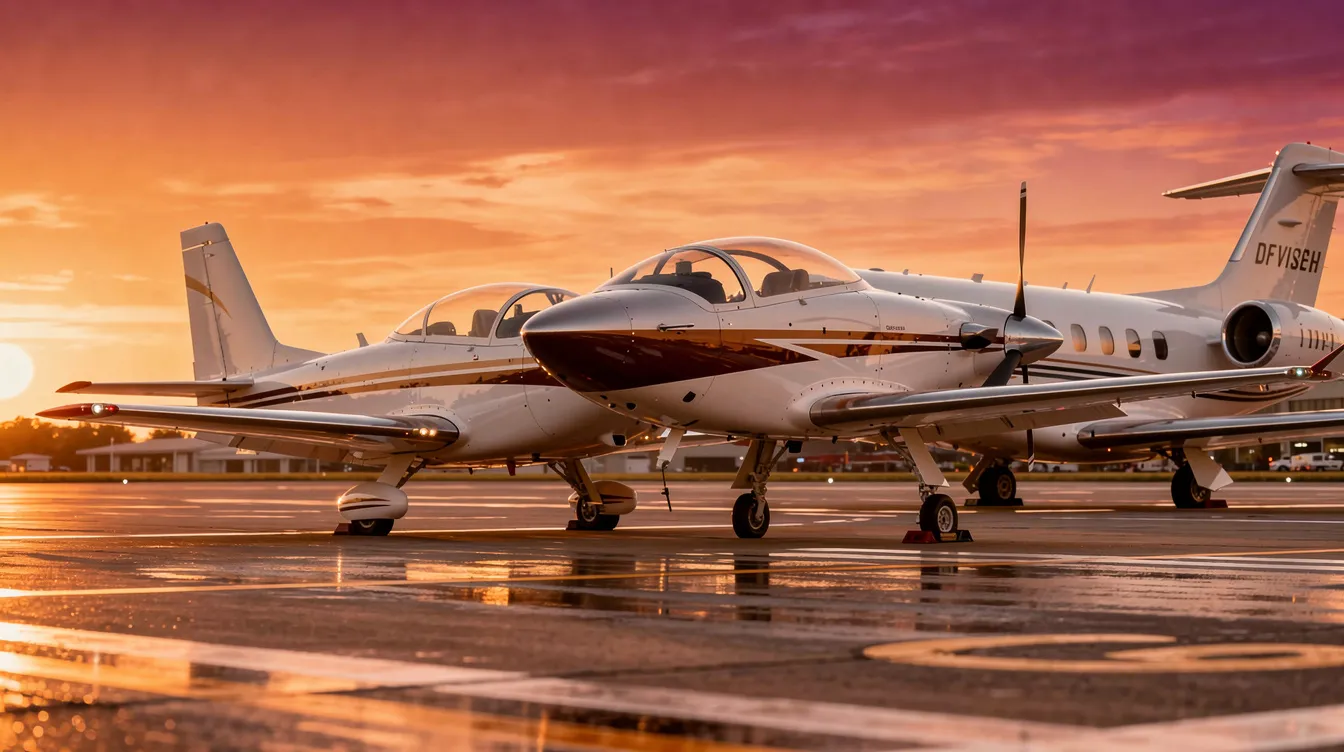
If you’re searching for racing planes for sale, understanding private jet access is more than luxury—it’s a strategic advantage. This guide is for pilots, aviation enthusiasts, and investors interested in purchasing high-performance racing planes. A race weekend can involve sponsors, crew, tools, media, and tight timing. BlackJet Jet Cards help protect that schedule while your competition's aircraft stays focused on performance.
We cover where to find racing planes for sale, what to look for, budgeting, and how private jet access supports your racing schedule. This guide covers sale examples, TT, SMOH, MT prop, fresh annual claims, safety, budget, and how private flight complements racing.
Why Racing Planes – And Why Strategic Access Matters First
Owning a racing plane signals commitment, but access creates leverage: faster arrivals, closer airports, privacy, and control versus commercial airline delays. Between events like the Reno Air Races through 2023 or Red Bull-style circuits, one missed connection can cost practice time.
Many buyers search today for flexible transport, using BlackJet’s 25- or 50-hour Jet Cards instead of owning a separate travel aircraft.
Next, we’ll look at current market examples and where to find racing planes for sale.
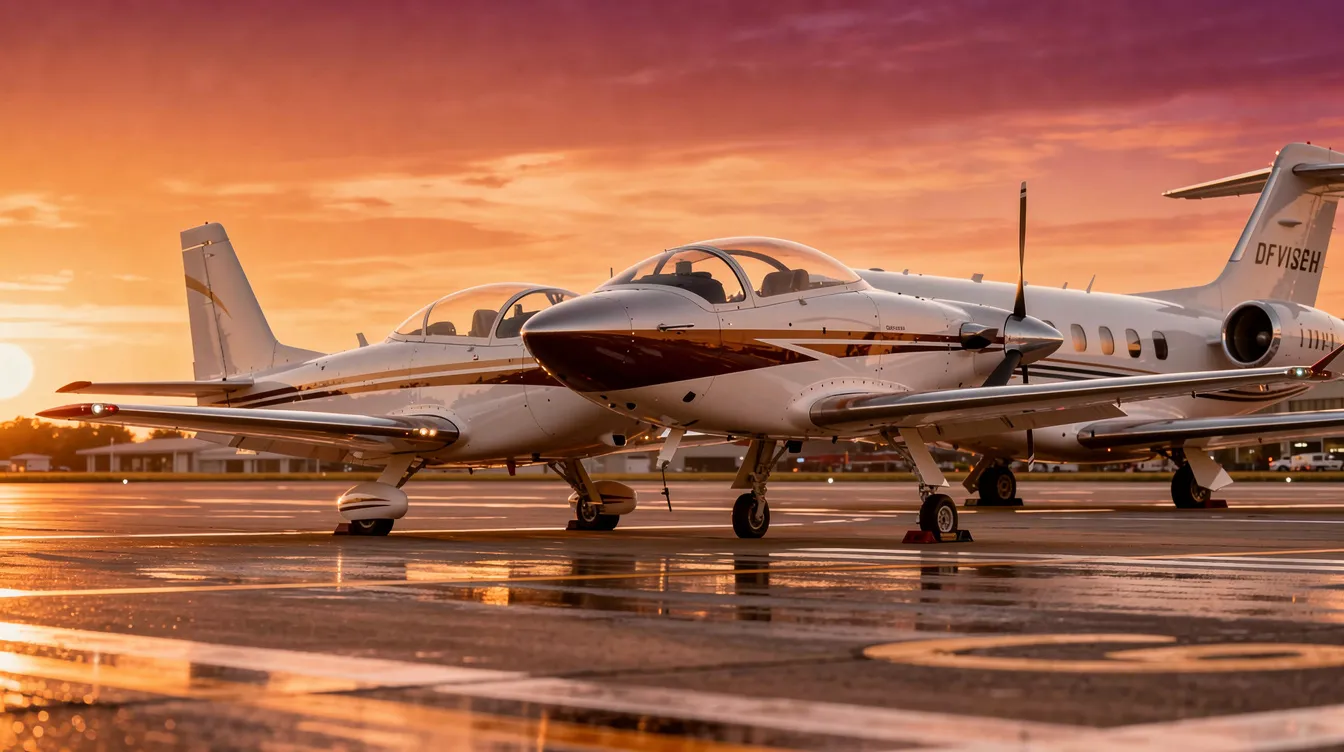
Current Racing & Aerobatic Planes for Sale (Example Listings)
These are illustrative market examples, not live inventory; full-scale racing planes are typically found through specialized online aviation marketplaces, aviation classifieds, and competitive racing communities. Many transactions occur within communities such as the National Championship Air Races network and classified forums.
Model | Snapshot |
|---|
1996 Extra 300L | Listed for sale at $250,000, updated technology, 1219 hours total time; Lycoming AEIO-540-L1D5, smoke system, Hooker Harness, Garmin GTX 345 with ADS-B in/out. |
DR-107 One Design | About 425 TT, AEIO-375 200 HP, +/-10G, basic glass cockpit, mid-time MT prop; pure single-seat IAC aerobatic racer. |
Van’s RV-8 | Two-seat tandem low-wing aircraft known for “total performance”: high-speed cross-country, aerobatics, short-field capability; 190 HP, modern Garmin G3X, speeds over 200 mph. |
1973 Bellanca Decathlon | Available for $120,000 and has undergone a fresh annual inspection as of March 2026; Lycoming IO-320, complete logs, smoke option. |
Also note: the 1944 Vickers Supermarine Spitfire PR XI is listed for sale at £2,950,000 plus VAT if applicable; prices for vintage and warbird aircraft can reach up to $2,950,000.
After reviewing these examples, it’s important to understand the key performance factors that set racing planes apart.
Key Performance Factors, Including MT Prop, When Shopping for Racing Planes
Look past paint. Key specifications include top speed, structural G-limits, time between overhauls, and avionic payload capacity. SMOH (Since Major Overhaul) refers to the time since the engine's last major overhaul, and MT prop refers to a specific brand of composite propeller known for its lightweight and high-performance characteristics.
Engine Considerations
A standard engine may last around 2,000 hours, but a racing engine might need to be torn down after just a few dozen hours of high-power racing. Engines used for racing are often pushed to maximum limits, so check engine logs and mandatory overhaul timelines. Racing engines are often modified using turbocharging, nitrous oxide, or high compression ratios.
Airframe Materials
Carbon composite or stressed-skin aluminum airframes are preferred for strength-to-weight ratio and aerodynamic stress.
Avionics and Equipment
For transit, ADS-B, GPS, engine monitors, and light EFIS matter.
Retractable Gear
Retractable gear is important to minimize parasitic drag and should be fast, reliable, and maintained. A 160 HP RV-4 differs sharply from a 300 HP Extra 300L in climb, vertical work, and lap times.
High-performance racing aircraft often burn fuel at extreme rates and may require specialized racing fuels.
With these technical factors in mind, and with so many small private aircraft options for different missions available, let’s move on to the inspection and safety considerations that are crucial before making a purchase.
Understanding “Fresh Annual,” Pre-Buy Inspections & Safety
Annual Inspection
A fresh annual means the aircraft passed an annual inspection, not that it is race-ready. Hiring an independent A&P mechanic with expertise in racing or experimental aircraft is crucial for a proper pre-buy inspection.
Pre-Buy Inspection
Review the airframe, engine, and propeller logbooks for undocumented repairs or past incidents; completeness of logbooks is critical when purchasing a racing plane, ensuring compliance with all Airworthiness Directives. Inspect wings, spars, attachment points, control rigging, prop governor, compression, and G-load history.
Logbook Review
Most racing planes are categorized under the FAA’s Experimental-Market/Certification rules, generally falling into the experimental category, which allows for easier maintenance but can complicate financing and insurance requirements. Many racing planes have unforgiving flight characteristics and high stall speeds, requiring pilots to have specific endorsements.
Pilot Endorsements
Many racing planes have unforgiving flight characteristics and high stall speeds, requiring pilots to have specific endorsements.
BlackJet does not broker race planes, but our safety culture mirrors the discipline buyers should demand: third-party safety ratings, strict maintenance programs, pilot standards, and real-time support.

With safety and inspection covered, let’s examine the financial aspects of buying and owning a racing plane.
Budgeting: Purchase Price, Operating Costs & Upgrade Paths
Purchase Price Range
Sticker price is only the start. Racing planes can vary from as low as $32,000 to more than $3,400,000, overlapping with many affordable entry-level aircraft options for new pilots and even some 5-million-dollar private jet options in the light and midsize categories. Aerobatic aircraft like the Vans RV-4 are available for around $68,000, while advanced models like the Extra 300L can be priced at $250,000.
Operating Costs
Expect fuel, oil, engine/prop reserves, hangar, event fees, and exceptionally high competitive racing aircraft insurance requiring specialized underwriters, especially compared with more budget-friendly private aircraft options and the broader private jet price list and cost structures.
Insurance
Competitive racing aircraft insurance often requires specialized underwriters and can be significantly higher than standard aircraft insurance, much like the premium rates seen when you rent a private jet and compare hourly charter costs.
Upgrade Options
Upgrades include, for owners who may also use small private jets for regional luxury travel:
BlackJet transport avoids ownership overhead: pay for flight hours through a Jet Card while keeping capital focused on the race aircraft, using an approach that mirrors structured Jet Card cost and membership pricing models and regional pricing insights like those in a guide to private jet prices in rupees.
Now that you have a sense of the financial commitment, let’s see how private jet access can support your racing schedule.
Race-Plane Use Cases & How Private Jets Support Your Schedule
A Scottsdale owner might fly an Extra 300L in Advanced competition while using a 25-hour BlackJet Jet Card program for Phoenix–Dallas–Orlando hops with crew, tools, and sponsor materials. Select light, midsize, or large-cabin categories to fit team size, using an understanding of private jet sizes and cabin classes.
With 24/7 digital booking, real-time support, and carbon-neutral flights, BlackJet helps teams reach the right place without forcing the race aircraft into transport duty, offering many of the advantages highlighted in jet card programs for frequent flyers and in a broader guide to jet card pricing, costs, and benefits.
Next, we’ll consider the environmental and community impacts of racing aviation, which increasingly intersect with affordable and more efficient private jet solutions and curated UK private jets for sale for discerning buyers.
Environmental & Community Impact of Racing Aviation
Air racing has noise and emissions impacts. Good-neighbor practice means quiet hours, disciplined patterns, careful mixture management, and avoiding unnecessary high-power practice.
BlackJet offsets jet travel automatically through verified carbon projects, including on large-cabin aircraft similar to the largest private jets available for sale and charter. Race-plane owners can mirror this by offsetting avgas, supporting aviation environmental programs, or backing scholarship raffles involving aircraft such as Cessna 150L or U206 examples.
With these considerations in mind, let’s summarize the key answers for those searching for racing planes for sale.
Summary: Where to Find Racing Planes for Sale, What to Look For, and Typical Price Ranges
Racing planes for sale can be found through specialized online aviation marketplaces, classified forums, and within competitive racing communities such as the National Championship Air Races network. When shopping, focus on key specifications like top speed, structural G-limits, SMOH (Since Major Overhaul), MT prop (a leading composite propeller brand), avionics, and logbook completeness, just as you would when comparing different types of private jets by size and mission profile. Always conduct a thorough pre-buy inspection with a racing-experienced mechanic and review all logbooks for compliance and incident history. Prices range widely—from $32,000 for entry-level models to over $3,400,000 for advanced or vintage warbirds, overlapping in some cases with private jets for sale under 10 million and the best 10 million dollar private jet options. Budget for operating costs, insurance, and potential upgrades. Private jet access, such as BlackJet Jet Cards, can streamline your race schedule and logistics, letting your racing aircraft focus on competition.
FAQ: Buying Racing Planes & Using Jet Cards for Race Travel
What does “fresh annual” guarantee?
It confirms regulatory inspection status, not hidden fatigue. Still hire an aerobatic A&P/IA.
MT prop vs. metal?
Composite props reduce inertia and vibration, accelerate quickly, and improve efficiency, though cost and repair needs can be higher.
Should a first-time owner jump into an Extra or Yak-55M?
Usually no. Aerobatic aircraft like the Yak-55M are designed for complex maneuvers and high G-forces, with some models tested to +8.5/-5.1 Gs; start with training.
How do Jet Cards differ from owning a travel airplane?
Jet Cards reduce capital outlay, maintenance surprises, IFR dispatch concerns, and scheduling limits while offering multiple aircraft types, and they complement other ways to buy a seat on a private jet.
Where do I find listings?
Use a marketplace page, broker networks, forums, and racing communities; email sellers only after log review.
How to Get Started: From First Inquiry to Your First Race Weekend
Define goals, budget, and category.
Build a circle: instructor, race-experienced mechanic, broker, or attorney.
Shortlist 3–5 airframes.
Confirm financing.
Arrange pre-buys.
Book upset, spin, and G-tolerance training.
When you are ready to purchase, find the quality machine that fits your mission—and let BlackJet offer safe, sustainable, flexible access for every race weekend, sponsor meeting, and fun reason you fly, especially if you’re also exploring affordable private plane options for personal travel.
Conclusion: Elevate Your Racing Experience with Strategic Aircraft Ownership and Private Jet Access
Purchasing a racing plane is more than acquiring a high-performance aircraft—it’s an investment in precision, safety, and competitive advantage. From understanding engine modifications like turbocharging and nitrous oxide to ensuring reliable retractable gear and advanced avionics, every detail matters. The market offers a broad spectrum of options, from entry-level models to rare vintage warbirds and even some of the best private jets in the world, each with unique characteristics and costs.
Complementing your racing plane with private jet access through BlackJet’s Jet Card programs transforms your travel logistics. Enjoy seamless, carbon-neutral flights with rigorous safety standards and flexible scheduling that keep your team and equipment where they need to be—on time and ready to perform, similar to the advantages described in a comprehensive guide to leasing a private jet. This strategic combination empowers pilots and teams to focus on what truly counts: winning and enjoying the thrill of the race.
Elevate your racing journey by combining expert aircraft selection with premier private jet access. Discover how BlackJet can help you achieve unparalleled freedom, efficiency, and sustainability in your aviation pursuits.


 Sign up with google
 Sign up with Apple