This guide is for private pilots, student pilots, and anyone considering aircraft ownership or private jet alternatives. Choosing the right general aviation aircraft can save money, improve safety, and ensure your flying experience matches your goals. Various general aviation aircraft offer distinct advantages depending on pilot needs. Few experiences rival the freedom of commanding your own aircraft through open skies. The best general aviation aircraft is the one that fits your mission: a Cessna 172 Skyhawk for training, a Piper PA-28 Archer for a first cross-country airplane, a Cirrus SR22 or Beechcraft Bonanza G36 for high-performance single-engine travel, and a Mooney M20 for strong used-aircraft value. General aviation gives private pilots and flight students the ability to fly on their own schedule to airports commercial carriers ignore, but the right choice changes with range, payload, speed, budget, and experience.
A student pilot logging first hours at a flight school has radically different requirements than a business owner flying cross-country four times a month, a leisure traveler weighing ownership against charter, or a high-net-worth flyer looking for the most practical way to travel. Some pilots want a forgiving trainer for weekend hops. Others need a high-performance single that can carry four adults, baggage, and enough fuel for 800 nautical miles without stopping. And for frequent, time-critical travel - coast-to-coast itineraries, international legs, or weather-sensitive schedules - aircraft ownership may not be the smartest move at all. A prepaid Jet Card from BlackJet can deliver turbine speed, professional crews, and zero maintenance headaches.
This article gives quick answers by use case, then breaks down aircraft categories, performance factors, ownership and maintenance costs, advanced avionics, safety and certification, sustainability in aviation, and when private jet access makes more sense than owning an airplane. That matters because most buyers and pilots are balancing cost, safety, convenience, and mission fit - and the wrong aircraft can be expensive, limiting, or simply unsuited to the trips you actually fly.
Key Takeaways
Choosing the best general aviation aircraft depends heavily on your specific mission, budget, and flying experience. Trainers like the Cessna 172 Skyhawk excel for beginners with forgiving handling and widespread support, while the Piper PA-28 Archer offers a smooth transition to cross-country flying. High-performance singles such as the Cirrus SR22T and Beechcraft Bonanza G36 deliver impressive speed, range, and advanced avionics for serious pilots. The Mooney M20 series stands out for its fuel efficiency and speed as a strong used-aircraft value. Utility aircraft like the Cessna 182 Skylane provide exceptional payload capacity and short-field performance, ideal for mountain or backcountry operations. For frequent travelers covering longer distances, prepaid Jet Card programs from BlackJet offer unparalleled convenience, safety, and carbon-neutral turbine access without ownership burdens. Understanding the trade-offs between fixed and retractable gear, avionics sophistication, and total cost of ownership ensures you select an aircraft that truly fits your needs and enhances your flying experience.
Why "Best" GA Aircraft Depends on Your Mission
General aviation aircraft are utilized for local flight training and cross-country travel, while ultra-wealthy travelers may also compare them with 15 million dollar private jet features when defining their broader aviation strategy. The best general aviation aircraft is the one that fits your mission: a Cessna 172 Skyhawk for training, a Piper PA-28 Archer for a first cross-country airplane, a Cirrus SR22 or Beechcraft Bonanza G36 for high-performance single-engine travel, and a Mooney M20 for strong used-aircraft value. General aviation gives private pilots and flight students the ability to fly on their own schedule to airports commercial carriers ignore, but the right choice changes with range, payload, speed, budget, and experience.
A student pilot logging first hours at a flight school has radically different requirements than a business owner flying cross-country four times a month, a leisure traveler weighing ownership against charter, or a high-net-worth flyer looking for the most practical way to travel. Some pilots want a forgiving trainer for weekend hops. Others need a high-performance single that can carry four adults, baggage, and enough fuel for 800 nautical miles without stopping. And for frequent, time-critical travel - coast-to-coast itineraries, international legs, or weather-sensitive schedules - aircraft ownership may not be the smartest move at all. A prepaid Jet Card from BlackJet can deliver turbine speed, professional crews, and zero maintenance headaches.
This article gives quick answers by use case, then breaks down aircraft categories, performance factors, ownership and maintenance costs, advanced avionics, safety and certification, sustainability in aviation, and when private jet access makes more sense than owning an airplane. That matters because most buyers and pilots are balancing cost, safety, convenience, and mission fit - and the wrong aircraft can be expensive, limiting, or simply unsuited to the trips you actually fly.
Quick Answers: Best GA Plane by Use Case
Not every reader wants to scroll through thousands of words. Here are the best GA aircraft picks for common missions, listed in no particular order:
Use Case | Recommended Aircraft | Key Features |
|---|
Best trainer | Cessna 172 Skyhawk | Ubiquitous in flight schools, forgiving handling, enormous support network, predictable costs |
Best starter cross-country GA aircraft | Piper PA-28 Archer/Warrior | Stable, economical, IFR-capable, smooth transition from training to personal trips |
Best high-performance singles for serious cross-country | Cirrus SR22/SR22T and Beechcraft Bonanza G36 | Impressive performance in speed, range, and advanced avionics |
Best value used high-performance GA plane | Mooney M20J/M20R | Fast, fuel-efficient, retractable gear, loyal community |
Best go to "SUV of GA" | Cessna 182 Skylane | Exceptional payload capacity, short-field capability, mountain-ready |
Best alternative for 25+ hours/year of regional or long-distance travel | BlackJet Jet Card | No hangar fees, no maintenance, access to multiple cabin classes, and carbon-neutral flights included |
Key Factors That Define the "Best" General Aviation Aircraft
Before committing to any single-engine piston aircraft, walk through this checklist. It applies whether you are buying your first airplane or upgrading from a trainer.
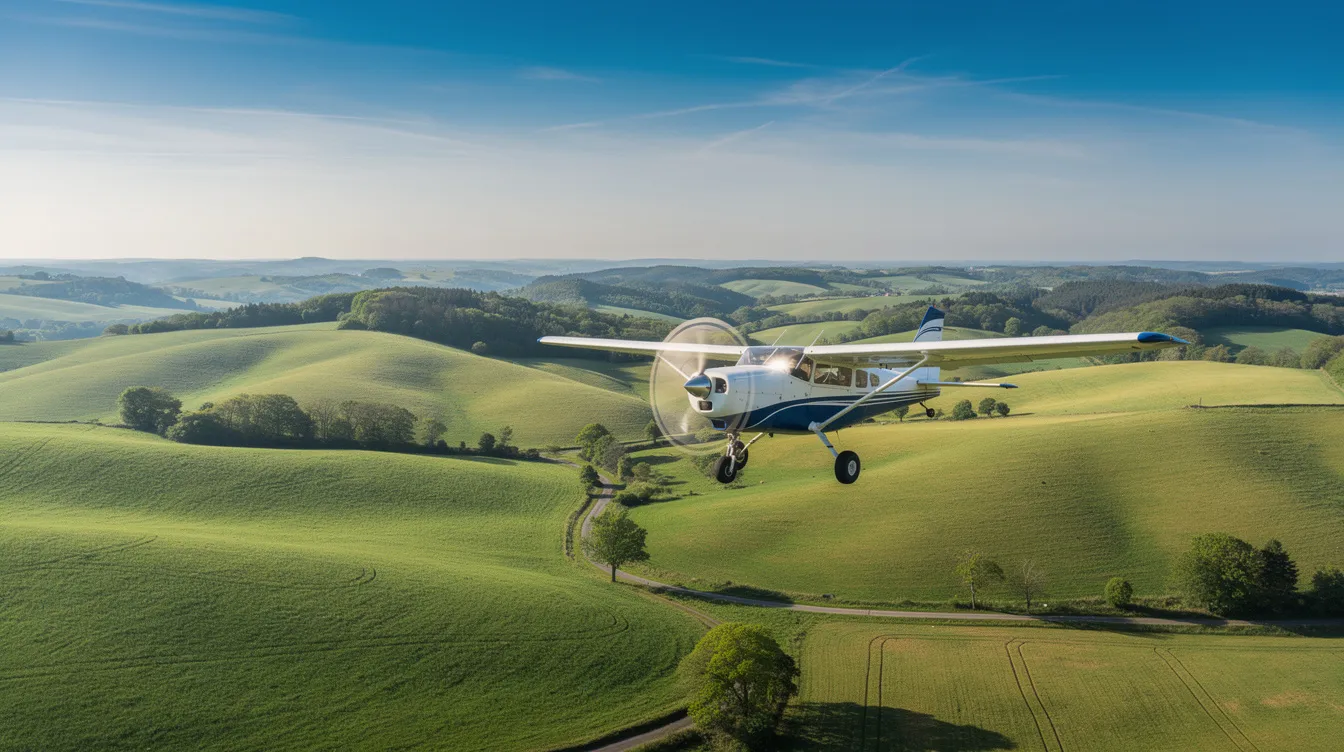
Each general aviation aircraft offers distinct advantages depending on the pilot’s needs.
Mission profile: Are you flying for initial training, personal leisure, family trips, business commutes, backcountry strips, or IFR cross country? Each role narrows the list fast. A Piper Cub spirit works for grass strips; a Bonanza works for 600 nm business legs.
Budget realities: Purchase price is just the entrance fee. Factor fuel, insurance premiums, hangar or tie-down fees, annual inspections, engine overhaul reserves, and avionics database subscriptions. A ga aircraft flown 100 hours per year can cost $25,000–$60,000 annually in fixed and variable expenses, excluding depreciation.
Performance metrics: Evaluate cruising speed (knots), range (nautical miles), useful load, and service ceiling. Trainers cruise at 110–125 knots; high-performance singles push 170–200+ knots.
Equipment and technology: Modern avionics systems like Garmin G1000 NXi, integrated autopilot, and datalink weather dramatically improve safety and IFR capability.
Complexity: Retractable gear and constant-speed propellers deliver better speed and fuel efficiency but raise training demands, maintenance costs, and insurance premiums.
Resale and support: Models from Cessna, Piper, Beechcraft, Cirrus, and Mooney have active owner communities, broad parts availability, and strong resale liquidity.
Some buyers completing this exercise realize that premium BlackJet private jet card membership delivers more value than personal ga aircraft ownership for frequent long-range missions.
Most Popular General Aviation Aircraft to Own
These models dominate flight lines, hangars, and resale listings because they balance cost, performance, and support better than anything else in general aviation, especially when compared to the best small private aircraft across all categories or the most expensive private jet options:
Cessna 172 Skyhawk - the world's most-produced airplane and default trainer.
Piper PA-28 series - versatile low-wing family from Warrior to Arrow.
Beechcraft Bonanza - the luxury high-performance single since 1947.
Cirrus SR22 / SR22T - modern tech and safety leader with a parachute system.
Mooney M20 series - speed champion among piston singles.
Cessna 182 Skylane - the load-hauling, mountain-capable workhorse.
Flight schools predominantly choose the Cessna 172 and Piper PA-28 for predictable handling, parts availability, and strong safety records. Interestingly, many BlackJet members keep one of these models in their personal hangar for local flying while using Jet Cards for missions beyond piston range.
Comparison Table of Popular General Aviation Aircraft
Aircraft Model | Role | Cruise Speed (knots) | Range (nm) | Seats | Notable Features | Approximate Price (New) |
|---|
Cessna 172 Skyhawk | Trainer / Touring | 120–125 | 640 | 4 | Stable, forgiving, high-wing, glass cockpit option | $400,000+ (modern variants) |
Piper PA-28 Archer | Trainer / Cross-country | 110–125 | 500–700 | 4 | Low-wing, economical, IFR capable | $300,000+ |
Beechcraft Bonanza G36 | High-performance single | 176 | 920 | 6 | Retractable gear, luxury interior, advanced avionics | $900,000+ |
Cirrus SR22T | High-performance single | 180–213 | 1,000+ | 4 | Parachute system, glass cockpit, turbocharged | $700,000+ |
Mooney M20J/M20R | High-performance single | 170–200 | 700–800 | 4 | Retractable gear, efficient, speed-focused | $300,000–$600,000 (used) |
Cessna 182 Skylane | Utility / Cross-country | 145–155 | 900 | 4 | Fixed gear, high payload, mountain capable | $500,000+ |
Key Takeaways | | | | | Cessna 172 and PA-28 excel as trainers; Bonanza and Cirrus SR22T offer luxury and performance; Mooney M20 is a value speedster; Cessna 182 is the payload and utility leader. | |
High Performance Singles and Cross-Country Specialists
This category covers ga aircraft that excel at fast, efficient cross-country flying for private pilots and small teams. Under FAA definitions, "high performance" means single-engine planes with more than 200 horsepower - a threshold that unlocks better climb, higher cruise, and greater range but also requires a specific endorsement.
These aircraft narrow the gap with turboprops and small jets for regional travel while staying within piston budgets. Beyond the models above, consider:
Cessna 182 Skylane - high-performance fixed-gear with excellent load-carrying ability, ideal for mountainous terrain and short strips where payload capacity matters more than top speed.
Cessna 210 Centurion - six-seat retractable with serious load and speed for the pilot who needs to carry passengers and cargo.
Piper Comanche and Saratoga - retractable gear designs with strong cruise performance and loyal owner communities.
While high-performance singles are superb within 500–800 nm, a BlackJet Jet Card or on-demand private jet charter or other ways to rent a private jet often win for multi-city business days, coast-to-coast missions, or international hops where jet speed and airport flexibility are non-negotiable.
Fixed Gear vs. Retractable Gear for Advanced GA Aircraft
The choice between fixed gear simplicity (Cessna 182, Cirrus SR22) and retractable gear performance (Mooney M20, Beechcraft Bonanza, Cessna 210) is one of the most consequential decisions in ga aircraft ownership.
Fixed gear advantages: Lower insurance premiums, fewer mechanical failure points, simpler inspections, and easier ownership for newer buyers.
Retractable gear benefits: Improved cruising speed and efficiency, better fuel burn at equivalent power settings, and often a more refined flying experience.
Retractable gear aircraft require a complex airplane endorsement (covering retractable gear and constant-speed props) and bring additional responsibility: gear inspections, actuation systems, and the ever-present awareness of gear-up landing risk. Buyers should consider realistic usage, hangar access, and local maintenance support before committing.
Advanced Avionics and Safety in Modern GA Aircraft
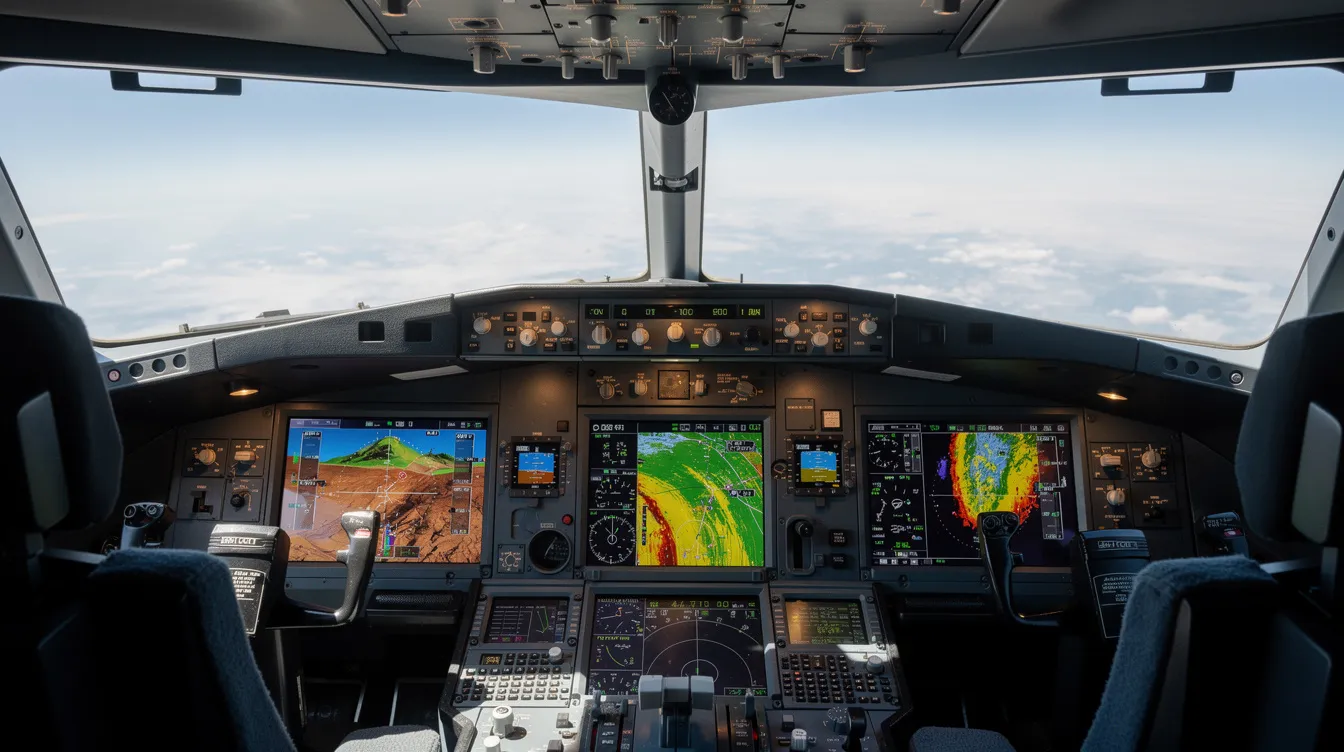
Modern avionics have narrowed the capability gap between ga aircraft and business jets more than any other single factor. Suites like Garmin G1000/G1000 NXi and G3000 integrate flight displays, weather datalink, terrain alerts, synthetic vision, and sophisticated autopilot into a single cockpit ecosystem.
These systems deliver dramatically improved situational awareness - real-time weather overlays, stabilized instrument approaches, and envelope protection that reduce pilot workload and risk on cross-country flights, especially in IFR conditions, even for owners who also leverage unlimited private jet flight memberships for frequent long-haul travel.
Aircraft where modern avionics shine include the Cirrus SR22, Beechcraft Bonanza G36, and late-model Cessna 182 and 172 variants with glass cockpits. BlackJet's charter fleet similarly emphasizes advanced avionics and strict safety protocols, but with professional crews managing the workload entirely - letting the traveler focus on work or rest.
Cost, Maintenance, and Ownership vs. Jet Card Membership
The romance of owning a ga aircraft is real. The spreadsheet of annual costs is equally real - and often sobering.
Typical ownership expenses for popular ga aircraft:
Acquisition: A used Cessna 172 might cost $60,000–$150,000; a new Cirrus SR22T exceeds $700,000; a new Bonanza G36 starts around $900,000.
Annual fixed costs: Hangar fees ($500–$3,000+/month), hull and liability insurance, annual inspections, avionics subscriptions, and regulatory compliance, which should be weighed carefully against overall jet card pricing structures and Flexjet jet card cost and options.
Variable costs per hour: Fuel (10–15 GPH depending on model at $6+/gallon), oil, engine overhaul reserves, tires, and unscheduled maintenance.
Total annual cost for a typical ga plane flown 100–150 hours: roughly $25,000–$60,000 before depreciation and financing, which is why many pilots also study the cheapest private aircraft options and alternative access models such as leasing a private jet.
Contrast with a Jet Card model that emphasizes jet card cost per hour:
Predictable, prepaid hourly rates - from roughly $6,500/hour for very light jets to $20,000+ for ultra-long-range cabins.
No capital outlay, no depreciation, no surprise maintenance bills.
Access to multiple aircraft categories instead of being locked into one airplane, whether through NetJets-style programs with defined jet card costs or by selectively acquiring a premium UK-based private jet to complement card or charter access.
Many high-net-worth individuals choose to own a ga aircraft for passion and local trips while relying on BlackJet Jet Cards—including 100-hour jet card programs and the BlackJet 25+ Hour Jet Card—for business-critical, long-range, or weather-sensitive missions.
When Owning a GA Aircraft Makes Sense
Ownership is the right call when the numbers and lifestyle align:
You actively enjoy flying and want hands-on control of your plane.
Most flights are under 400–600 nm with one to three passengers.
You live near an airport with maintenance support for your chosen aircraft type.
You value the personal satisfaction of spontaneous sunset flights, weekend getaways, and building skills and hours.
Factor in realistic annual hours honestly. Low utilization - say, 50 hours per year - inflates cost per hour dramatically as fixed expenses dominate. Before committing, fly several types through clubs, rentals, or partnerships to confirm which ga aircraft truly fits your mission.
When a Jet Card or Charter Is the Smarter "Aircraft" Choice
Some missions are simply better served by turbine aircraft and professional crews than by any piston ga plane, no matter how capable, especially when travelers are evaluating 20 million dollar private jet capabilities for intercontinental routes.
Scenarios where BlackJet-style access excels:
Consider the operational contrast: a ga pilot managing weather, fuel stops, ATC, and fatigue versus BlackJet handling flight planning, crew, and safety compliance entirely through structured 25-hour jet card solutions, where savvy flyers also explore jet card tax deduction strategies. This frees the traveler to focus on preparation or rest instead of cockpit workload.
BlackJet ensures carbon-neutral flights, rigorous safety vetting, and 24/7 support - advantages difficult to replicate in personal ga ownership. Jet Cards, including 50-hour jet card options, function as a strategic complement for those who love to fly but need professional private aviation for mission-critical travel.
Safety, Certification, and Sustainability in General and Private Aviation
Safety and environmental impact are increasingly central to both general aviation and business aviation decisions.
Core ga safety factors include:
Aircraft design and redundancy - modern airframes, engine reliability, and safety features like the Cirrus parachute system.
Avionics and situational awareness - terrain alerts, weather datalink, and autopilot reduce risk.
Pilot training, experience, and recency - the single largest variable in accident statistics.
In professional private aviation, safety is managed through strict operator certification under Part 135, recurrent crew training, third-party audits (ARGUS, Wyvern, IS-BAO), and systematic maintenance oversight—hallmarks of top private jet companies and a reminder of how safe private jets are in practice that individual ga ownership cannot easily match.
Sustainability trends worth noting:
Industry progress toward unleaded avgas and fuel-efficient engines, including diesel options in newer ga aircraft.
Sustainable Aviation Fuel adoption in turbine fleets and growing interest in the cheapest private jet options and long-range private jets for global missions that balance efficiency with lower emissions.
BlackJet offsets 100% of flight emissions by default, providing an environmental advantage over unmanaged personal ga flying for frequent travelers in the market for premium access.
How to Choose the Best GA Aircraft for You (and When to Let BlackJet Fly the Longer Legs)
The best general aviation aircraft is the one that precisely fits your mission, budget, and flying style. Here is a step-by-step framework:
Define your mission clearly: Training, weekend hops, regular cross-country, or business commuting.
Narrow to two or three ga aircraft types: For training, compare the Cessna 172 vs. PA-28. For high performance, evaluate the SR22 vs. Bonanza vs. Mooney against your speed, range, and load needs.
Evaluate real-world costs: Include maintenance, availability of local expertise, insurance, and realistic annual utilization.
Fly them first: Rent, join a club, or arrange demo flights before buying. The best aircraft on paper may not suit your flying experience in practice.
Then consider a portfolio approach: own or rent a ga aircraft for local flying passion, and use BlackJet for longer-range, time-sensitive, or weather-challenging missions where jet performance, safety margins, and productivity matter most, supported by the best jet cards for frequent flyers and informed by 10 million dollar private jet options when ownership at that level is on the table.
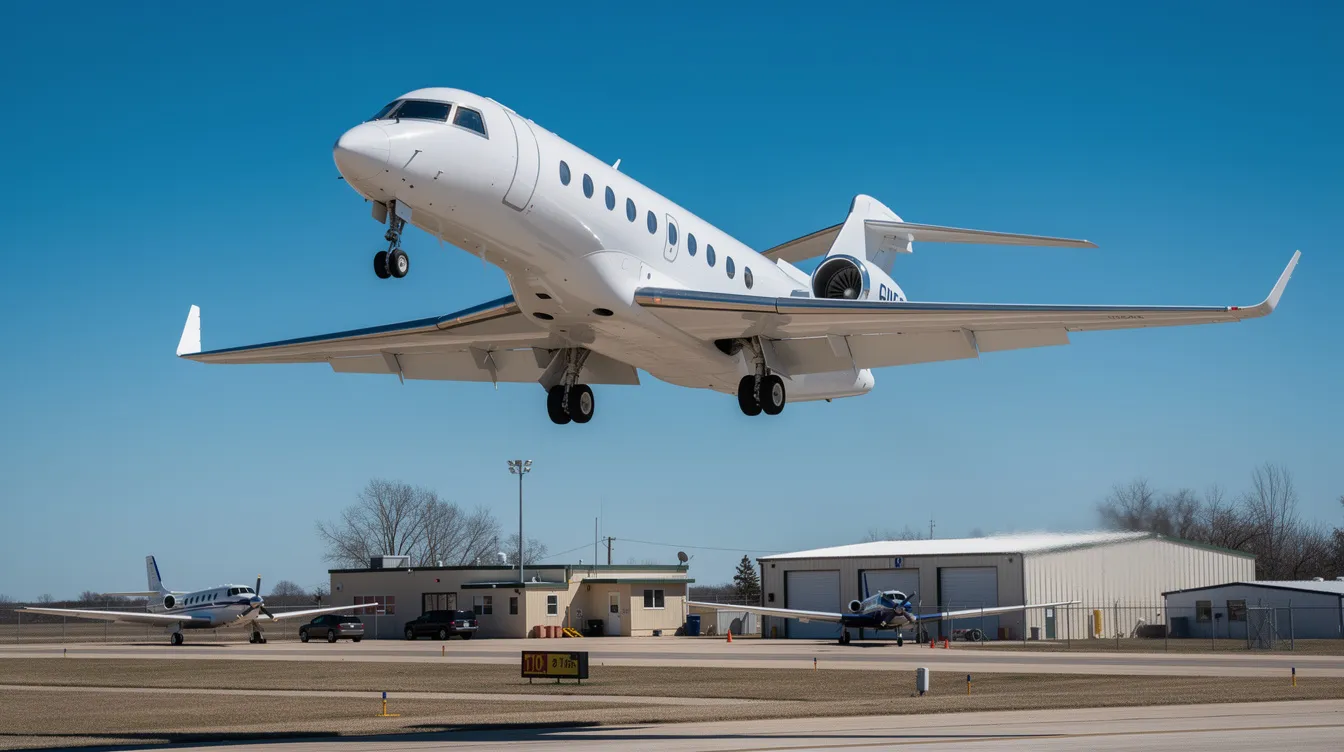
BlackJet's team can help compare trip profiles and determine when ga aircraft ownership versus Jet Card hours delivers the best overall value and experience. If you are ready to complement your time in the skies with effortless private jet access, explore BlackJet's Jet Card programs alongside a detailed private jet price list overview and discover how professional aviation can reshape your travel.
Frequently Asked Questions About General Aviation Aircraft
Q: What is the safest general aviation aircraft?
A: Safety depends on multiple factors, including aircraft design, pilot training, and maintenance. Models like the Cirrus SR22 are known for advanced safety features such as the Cirrus Airframe Parachute System (CAPS). Additionally, twin-engine aircraft and planes with modern avionics enhance safety through redundancy and situational awareness.
Q: How does a Cirrus airframe parachute system work?
A: The Cirrus Airframe Parachute System deploys a ballistic parachute that can lower the entire aircraft safely to the ground in emergencies, providing an extra layer of safety for pilots and passengers.
Q: What are the benefits of retractable gear versus fixed gear?
A: Retractable gear improves cruising speed and fuel efficiency by reducing drag but requires more training and maintenance. Fixed gear offers simplicity, lower insurance costs, and easier upkeep, making it ideal for newer pilots or those prioritizing reliability.
Q: Which general aviation aircraft offers the best range for longer trips?
A: High-performance singles such as the Beechcraft Bonanza G36 and Cirrus SR22T provide ranges exceeding 900 to 1,000 nautical miles, making them suitable for longer cross-country flights.
Q: What is the difference between owning a GA aircraft and using a Jet Card?
A: Owning a GA aircraft offers hands-on control and flexibility for local flying but involves high fixed and variable costs. A Jet Card provides prepaid access to a fleet of turbine aircraft with professional crews, no maintenance responsibilities, and carbon-neutral flights, ideal for frequent or long-distance travel.
Q: How do tip tanks affect aircraft performance?
A: Tip tanks increase fuel capacity, extending range for longer trips, but add weight and can affect handling. They are common on aircraft designed for cross-country missions, balancing performance with endurance.
Q: Are luxurious cabins available in general aviation aircraft?
A: Yes, models like the Beechcraft Bonanza and Cirrus SR22 feature luxurious cabins with comfortable seating, advanced climate control, and premium materials, enhancing passenger comfort on longer flights.
Q: What role does excellent visibility play in pilot experience?
A: Excellent visibility, found in aircraft like the Diamond DA40 and Cessna 172, improves situational awareness, safety, and enjoyment during flight by providing clear views of terrain, weather, and traffic.
Q: Can I use a sliding canopy aircraft for training?
A: Sliding canopy aircraft, such as certain sport planes, offer unique handling and visibility benefits but are less common in traditional flight training. They are often favored for recreational flying and aerobatics.
Q: How does performance combine with comfort in the best GA aircraft?
A: The best general aviation aircraft combine performance—speed, range, and handling—with comfort features like spacious cabins and advanced avionics, allowing pilots and passengers to enjoy efficient and pleasant flights.
Conclusion: Finding Your Ideal General Aviation Aircraft or Jet Card Solution
Choosing the best general aviation aircraft ultimately comes down to aligning your mission requirements, budget, and lifestyle with the right aircraft capabilities. Whether you prioritize the forgiving simplicity of a Cessna 172 for training, the versatile comfort of a Piper PA-28 for personal travel, or the high-performance luxury of a Cirrus SR22 or Beechcraft Bonanza for serious cross-country flights, the perfect GA aircraft exists for your unique needs.
However, for frequent travelers covering long distances or complex itineraries, owning a GA aircraft may not offer the flexibility, speed, or convenience required. In these cases, BlackJet’s Jet Card programs provide seamless access to a diverse fleet of turbine aircraft, professional crews, and carbon-neutral flights without the burdens of ownership and maintenance.
By thoughtfully balancing ownership with premium private jet access, you achieve the ultimate in safety, efficiency, and comfort—empowering you to fly on your terms with confidence. Explore BlackJet’s Jet Card offerings today and discover how effortless, sustainable private aviation can elevate your travel experience.


 Sign up with google
 Sign up with Apple