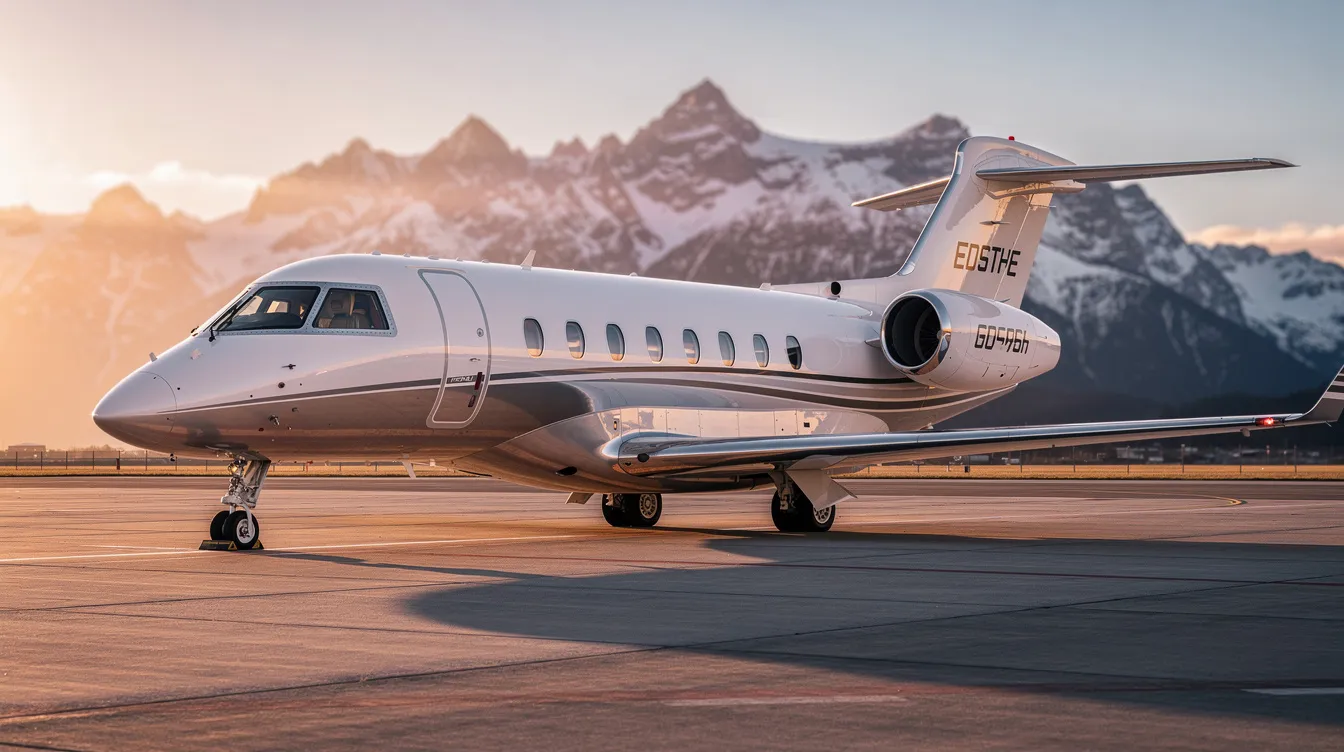
For executives and high-net-worth travelers, airline blackout dates cost more than money. They cost time, certainty, and control over your itinerary. This guide is for frequent flyers, business travelers, and anyone seeking to understand or avoid airline blackout dates. Knowing how blackout dates work can help you save money, maximize rewards, and maintain control over your travel schedule. A route that normally redeems for 15,000 miles can spike to 45,000 miles during Christmas week, and even at that price, award seats may be unavailable. Blackout dates for airlines are specific calendar dates when carriers block or restrict the use of miles, vouchers, promotional discounts, and corporate rates, even when cash seats remain on sale. For travelers who need to book flights on precise dates for deal closings, family holidays, or major events—sometimes moving with large teams that might justify the largest private jets on the market, the best private jets for 15 passengers, or aircraft configured for 20 passengers—these restrictions create friction that compounds across a year of travel.
BlackJet exists to remove that friction. Our Jet Card members expect guaranteed access regardless of travel dates, whether they occasionally charter, regularly tap into 10 million-dollar private jet ownership and access options, or blend multiple models. This is why our programs are structured to avoid traditional blackout restrictions entirely.
What Are Airline Blackout Dates?
Blackout dates are specific dates on which airlines prevent travelers from using rewards, discounts, or special fares. Booking a flight during blackout dates may mean higher cash prices or inability to redeem miles. Travelers pay standard prices during these periods because airlines protect revenue by restricting seat availability during high-demand periods, which is also when many start researching what it costs to charter a small plane instead.
Blackout restrictions typically apply to:
Saver-level award redemptions (frequent flyer miles and points)
Companion tickets and vouchers
Promotional discount codes and travel promotions
Corporate negotiated rates and contract fares
Hotel room packages bundled with airfare deals
Blackout dates restrict discounts and loyalty program usage, but cash fares remain available. This distinction matters: you will see the seat for sale at full price, but you cannot redeem points or apply a promo code to buy it. Delta SkyMiles, for example, advertises no blackout dates on Delta-operated flights, yet partner airlines within the same program still enforce their own blackout calendars.
When Do Airline Blackout Dates Typically Occur?
Airlines align blackout periods with peak travel seasons, when they can fill planes at full price without offering discounts. Common blackout dates include holidays and peak seasons, and blackout dates can last for 30 days or longer during extended holiday windows. Blackout dates coincide with major holidays and events across the calendar:
U.S. Thanksgiving: Tuesday through Sunday around the fourth Thursday in November (e.g., Nov 24-29, 2026) on routes like LAX-JFK, ORD-LGA, SFO-EWR
Christmas and New Year: approximately Dec 20 through Jan 3, covering New York-London, Miami-New York, New York-Aspen, London-Geneva
Spring break: early March to mid-April, with blackout periods running Thursday through Monday on Florida, Caribbean, and Mexico routes
Summer peak: mid-June through late August on transatlantic routes such as JFK-LHR, BOS-CDG, LAX-FCO
Major events create their own high-demand travel periods with localized blackout restrictions: Super Bowl weekend, Art Basel Miami, Monaco Grand Prix, and World Economic Forum in Davos. Major local events can create peak travel periods that function identically to published blackout dates, especially for larger parties considering 12-seater private jet options and costs to keep teams together. Exact calendars vary based on airline, market, and promotion terms, and are often buried in fine print.
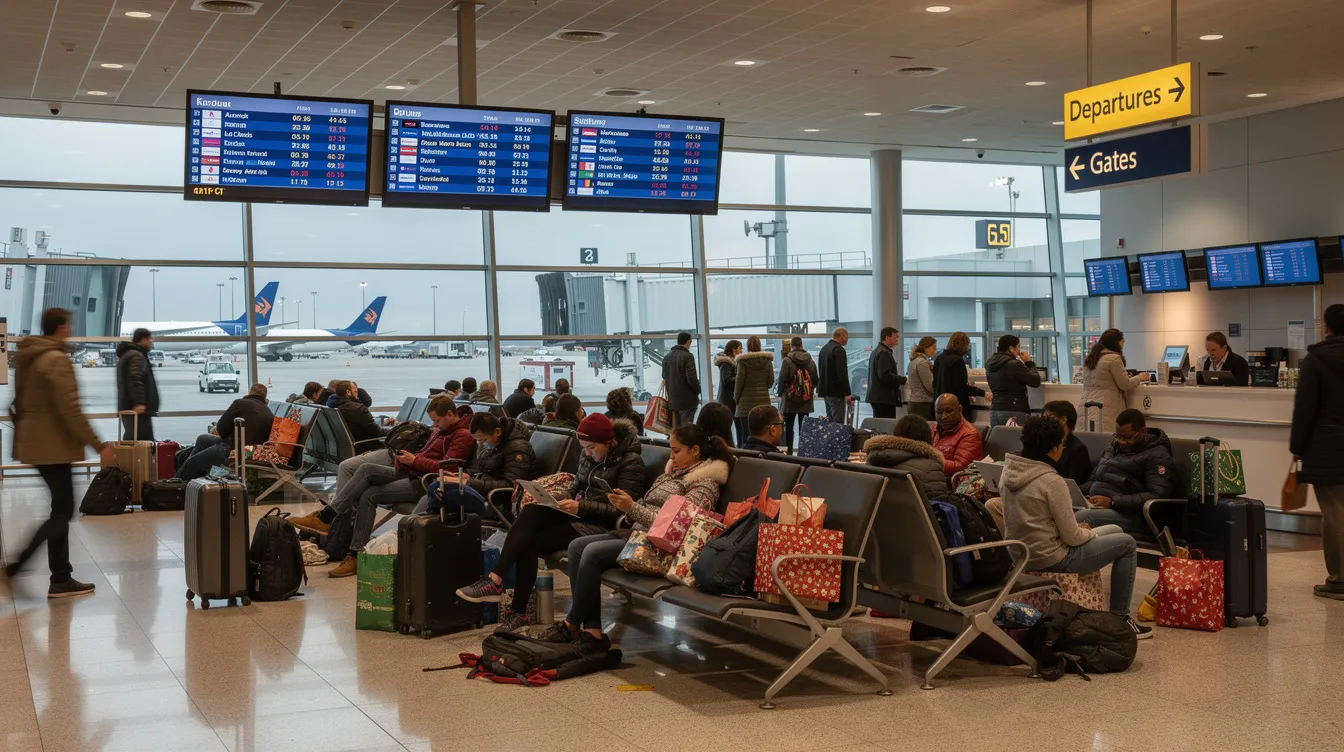
How Airline Blackout Dates Work in Practice
Airlines use blackout dates alongside dynamic pricing and capacity controls to manage increased demand and limited availability. A typical airline promotion offering "15% off base fare" will exclude specific periods, for example, no discount allowed Dec 21-Jan 2 on transatlantic flights. Promotional discounts often come with explicit blackout dates that restrict usage during peak times. Blackout dates help providers maximize revenue during high demand by funneling travelers toward full-price tickets.
Consider a traveler searching JFK-LAX for December 22:
Cash fares are available, but miles redemption is either blocked or priced at "anytime" rates costing 2-3x the standard award
Corporate or negotiated rates are flagged as "not valid for travel on blackout dates"
Award seats at saver level are fully sold out or never released for that date
Some airlines advertise "no blackout dates" but still restrict saver award inventory to a handful of seats per flight, creating soft blackout periods that produce the same outcome for the traveler and often push savvy flyers toward more affordable private flying strategies.
Blackout Dates vs Award Travel Blackout Dates vs Dynamic Pricing vs Capacity Controls
Modern airline revenue management blends three tools. Understanding the differences is essential for anyone trying to plan around blackout dates.
Blackout dates: hard restrictions on using promotions or miles for specific dates (e.g., "no award travel permitted Dec 23-26")
Dynamic pricing: fares and award costs increase with demand, but redemptions remain technically possible if you pay enough. Modern airlines use dynamic pricing models instead of traditional fixed blackout dates, though the practical effect on your wallet is similar.
Capacity controls: airlines limit the number of seats available for award travelers during high demand flights, so saver awards sell out early even when plenty of cash seats remain
United Airlines eliminated traditional blackout dates in 2011, and American Airlines markets its MileSAAver awards as having no blackout dates. Yet on both carriers, a business-class award from New York to London can cost 80,000 miles on a Tuesday in February but 220,000+ miles around New Year's Eve. The label changed; the constraint did not, and similar dynamics appear in other markets, such as when executives in India compare blackout-heavy award charts to private jet pricing in rupees.
How Airline Blackout Dates Impact Business and Luxury Travelers
For corporate and affluent leisure travelers, blackout dates create operational friction: missed meetings, extended trips, and compromised schedules. Many corporate negotiated rates explicitly exclude peak periods, forcing travelers to pay full rack rates or higher rates during blackout dates. Last-minute business travel around Thanksgiving, Christmas week, or major industry conferences can cost 50-150% more than normal, making annual travel plans harder to budget and prompting some organizations to evaluate private jet leasing as a strategic alternative.
Loyalty program frustration compounds the problem. Miles and upgrades accumulated through frequent flying are often least valuable when the traveler most wants to use them. A CEO based in New York needing to fly to London on December 28 for a deal closing faces waitlisted upgrades, limited award travel blackout dates on partner airlines with convoluted routings, or premium cabin fares at peak pricing. This dynamic is a key reason many frequent flyers graduate from commercial business class to private jet access and premium Jet Card programs, often comparing the best jet cards for frequent flyers and analyzing Flexjet jet card cost and options to regain control over peak-period travel.
Using Private Jets to Avoid Airline Blackout Dates
Private aviation decouples your trip from airline capacity and blackout calendars. On-demand charter carries no formal blackout dates, though high-demand periods (New Year's Eve departures from Teterboro, Miami departures after Art Basel, February weekends into Aspen) can cause limited availability and surcharges, especially if you have not already modeled how much it costs to charter a small plane for your typical missions. For many travelers, chartering a private jet and its practical cost comparisons highlight how these trade-offs play out versus commercial flying. Some jet card providers charge extra fees on blackout days, and jet card blackout policies vary between providers. Executives evaluating these trade-offs often start by understanding overall jet card cost and pricing structures and benchmarking them against NetJets jet card pricing and programs. Jet card blackout days can restrict access during peak travel periods with certain operators.
Jet Card programs bring predictability to private aviation, especially structured offerings like the BlackJet 25+ Hour Jet Card:
Fixed hourly rates across most of the year
Contracted service guarantees for popular routes and cabin classes
Transparent peak period surcharges rather than hard "no-fly" blackout dates
A BlackJet member needing a New York-Aspen roundtrip spanning December 26 through January 2 can request mid-morning departures, specify a super-midsize cabin, and avoid the airline award travel blackout dates and multiple connections that commercial travelers face on that same week.
How BlackJet Handles Blackout Dates and Peak Periods
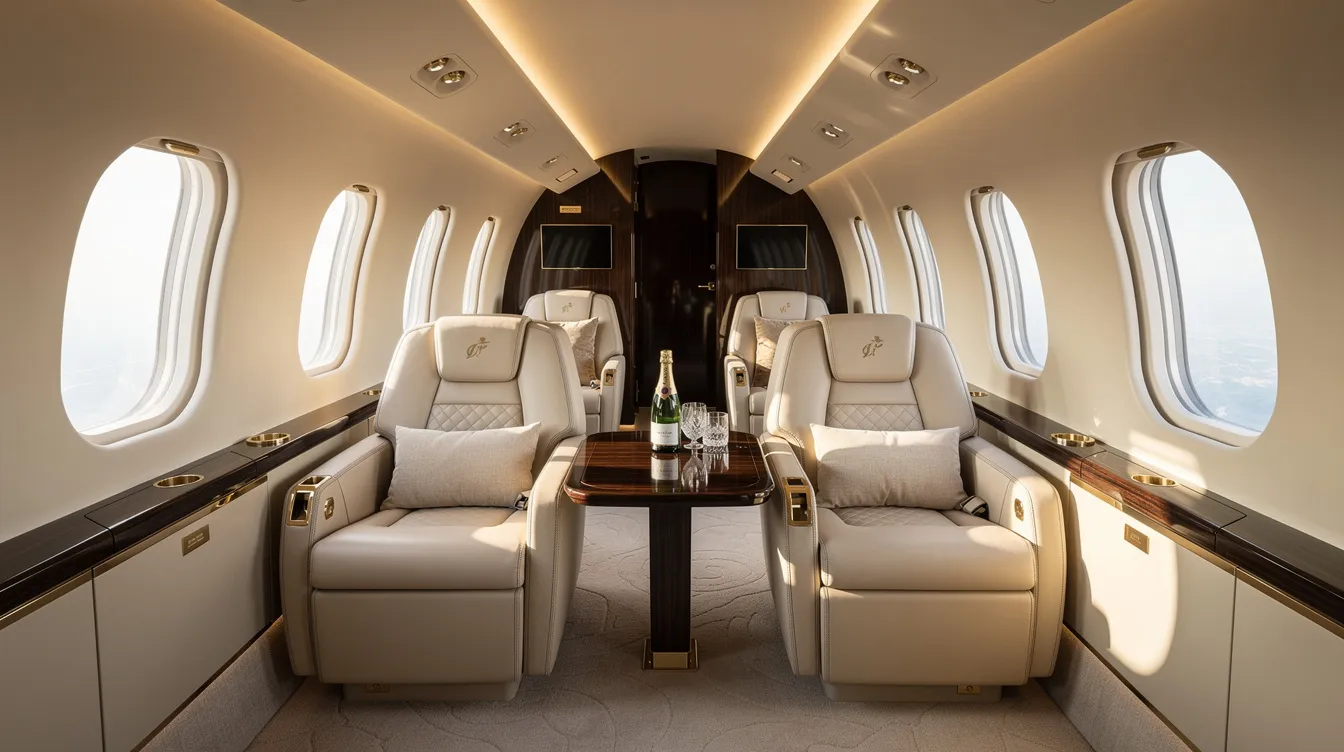
BlackJet Jet Card programs are structured with no traditional blackout dates, even during high demand periods. There are no calendar days on which members are categorically blocked from booking, whether they prefer super-midsize cabins or the best small private aircraft for shorter missions.
All aircraft are sourced from audited, top-tier operators meeting leading safety certifications such as ARG/US and Wyvern standards and holding their own among the top private jet companies in the market. For travelers weighing risk, understanding how safe private jets are compared with other air travel reinforces why these standards matter. Every BlackJet flight is carbon neutral through high-quality offset programs, including during the busiest travel dates. A member booking a same-week trip on the Friday of Presidents' Day weekend from Teterboro to Miami sees available options within the app, not "sold out" messages.
Strategies to Plan Around Airline Blackout Dates (If You Still Fly Commercial)
Many BlackJet clients still use airlines for certain routes. These tactics help you avoid blackout dates on commercial flights:
Spotting restrictions:
Use monthly fare calendars to identify price spikes that correlate with blackout periods, and in parallel track the cheapest private jet options available on overlapping routes
Read the fine print of airline promotions and award charts, which list excluded travel dates. Double-check every promotion for specific periods of exclusion.
Flexibility tactics:
Shifting travel by 24 to 48 hours often reduces costs and avoids restrictions. Adjusting travel dates by even one day can save costs.
Traveling midweek reduces the chance of hitting blackout dates, and budget-conscious flyers may also explore the cheapest private aircraft and access models as an off-ramp from peak commercial pricing
Flexible point systems allow travelers to book outside airline restrictions through travel portals, while seasoned flyers often apply strategies to fly private more affordably when commercial options are constrained
Flying from secondary airports (London Gatwick instead of Heathrow, Fort Lauderdale instead of Miami) can yield better availability and fewer restrictions during peak times
Booking early during peak periods costs fewer points. Planning flights in advance helps navigate blackout day restrictions. Flexible travel dates help avoid blackout dates.
Corporate planning:
Build known blackout periods into internal travel policies and budgets
Reserve critical trips early using fully flexible or refundable fares for high-demand dates, and model your backup options by understanding how much it costs to rent a private jet on those same routes
The dual strategy: Use commercial flights for non-critical, off-peak trips and BlackJet for high-stakes travel during blackout dates and peak periods. For example, a European family flies commercial to the continent in shoulder season, and uses BlackJet for Christmas week Vail and summer Hamptons runs when airline flights are most constrained, while occasional flyers might opt to buy a single seat on a private jet for one-off peak trips.
Key Terms, Limited Availability, and Related Concepts Around Airline Blackout Dates
A quick glossary of related terms used by airlines and travel programs:
Blackout dates: travel dates when discounts, promotions, or reward redemptions are not permitted, often nudging high-value travelers to compare them with private jet rental costs and conditions
Award travel blackout dates: specific days when you cannot redeem frequent flyer miles or points for certain routes or cabins, prompting some travelers to pivot to small private jets for flexible luxury travel
Peak periods: times of consistently high demand (holidays, school breaks, special events) where airfare and award prices rise, which is when many travelers discover that chartering a private jet can be worth it once time savings are fully valued
High demand periods: narrower windows (a major conference week in a single city) triggering local blackout restrictions and often driving up small private plane charter pricing on overlapping routes
Limited availability: airline disclaimer indicating only a small number of award seats remain eligible for discounts or redemption, similar to how private flyers may still experience reroutes or delays when pilots deviate around weather to reduce turbulence on private jets
No blackout dates: marketing phrase meaning rewards can theoretically be used any day, but subject to dynamic pricing and capacity limits, which is why many seasoned travelers still evaluate whether chartering a private jet is worth it during peak windows
Points Guy: a popular resource travelers consult when searching for strategies to redeem points around blackout dates
Travelers should also check hotel policies for blackout dates. Some hotel brands and hotel chain loyalty programs impose their own blackout restrictions on rooms and accommodations. A hotel stay during peak seasons may require longer minimum stays to access standard hotel room rates, and many cases exist where a hotel rewards night is unavailable on specific days around Christmas or New Year. For private aviation segments on those same trips, understanding how high private jets fly versus commercial aircraft, the different private jet sizes for each journey, and the different types of private jets available helps align comfort and performance with your peak-period itinerary.
Frequently Asked Questions About Airline Blackout Dates
Do all airlines still have blackout dates?
Many large carriers, including United Airlines, Delta, and American, claim no blackout dates on awards for their own flights. They rely on dynamic pricing and capacity controls that mimic blackout restrictions during peak periods. Partner airlines within these loyalty programs often still enforce traditional blackout calendars.
Are blackout dates the same every year?
Christmas, New Year, and Thanksgiving recur, but exact blackout calendars shift based on school calendars, day-of-week alignment, and major events. Travelers can bypass restrictions by shifting travel dates or flying on the actual holiday, when demand sometimes dips.
Can elite status remove blackout dates?
Even top-tier elites face many of the same limited availability constraints, especially for premium cabin upgrades and award seats on high-demand routes.
How far in advance should I book around blackout dates?
For business or first-class awards, book 9-12 months out. Airlines generally open award booking windows 330-360 days in advance. If flexibility is not possible, a jet card membership removes the need to plan that far ahead.
Does BlackJet have blackout dates?
BlackJet Jet Card programs do not impose classic blackout dates. Access is maintained year-round with transparent peak-period handling rather than outright restrictions. Members save time and preserve schedule control during the dates when commercial airlines are least accommodating.
Turning Blackout Dates Into a Strategic Advantage
Airline blackout dates and high-demand periods are built into the economics of commercial aviation. They will persist because airlines need to fill seats at full price during peak travel seasons. Discerning travelers can either fight these constraints with complex award strategies and flexible itineraries, or bypass them with private jet access that keeps their schedule intact.
BlackJet's no-blackout Jet Card structure, safety-first operator network, and carbon-neutral flights offer a more predictable alternative to navigating airline blackout calendars. Discover how BlackJet can decouple your travel plans from airline blackout dates and give you reliable access 365 days a year.


 Sign up with google
 Sign up with Apple