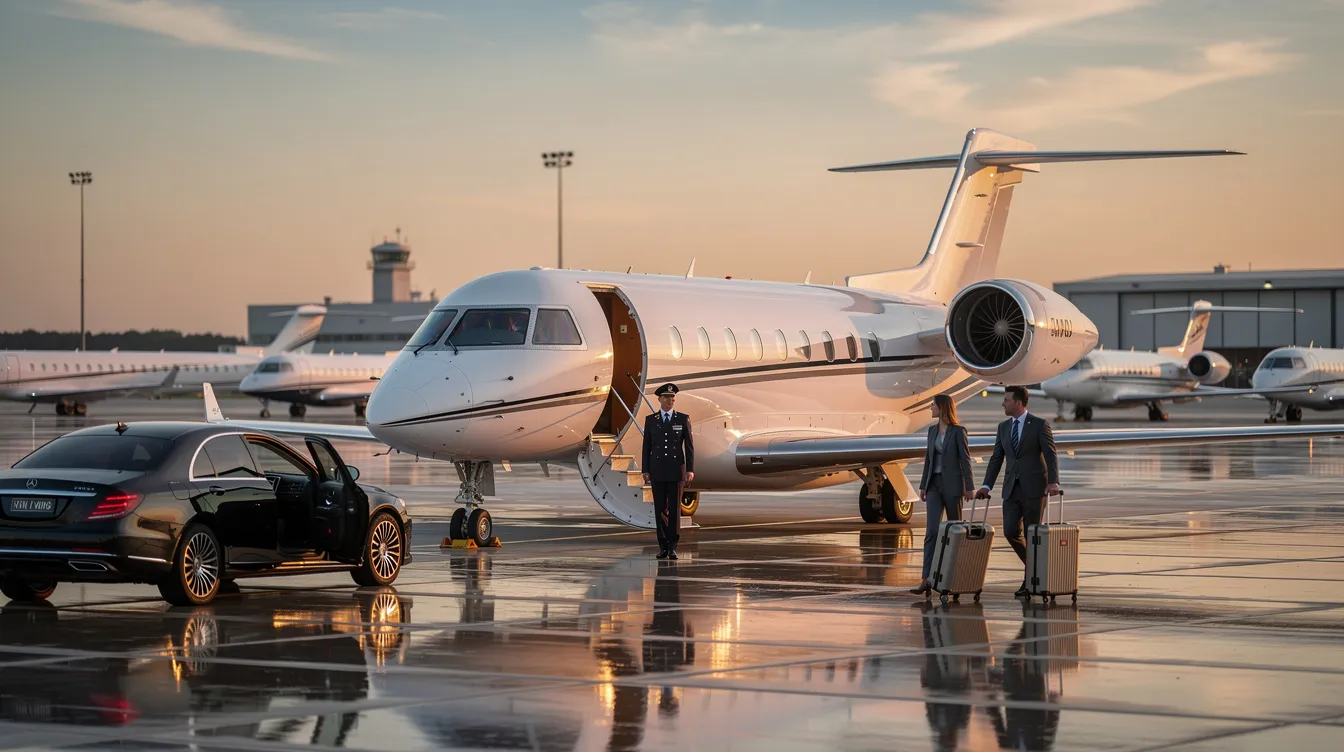
Private jet travel fundamentally reshapes the equation between time and money. While commercial airlines simply can’t offer the same door-to-door efficiency, a small plane charter positions you at over 5,000 U.S. airports—ten times the number served by commercial airlines—with just a few hours of planning. This type of charter flight is a customizable, exclusive service that allows you to tailor your travel experience to your specific needs.
Here’s what you can expect for private jet charter cost and overall private jet cost by category as of 2026, and how those figures align with broader benchmarks on how much it costs to rent a private jet:
Key Takeaways
Truly small planes (piston and turboprop aircraft) typically range from about $200–$2,500 per flight hour, while light jets generally start around $2,500–$5,000 per hour in the U.S. market as of 2026.
Short regional trips on a light jet may cost roughly $5,000–$8,000 for around two hours, whereas smaller propeller planes might be under $2,000.
Private jet rental costs typically range from $2,000 to $14,000 per billable flight hour, varying according to the aircraft type and other influencing factors.
The cost of chartering a private jet can exceed $15,000 per hour, depending on the aircraft size and amenities.
Total trip price follows a straightforward formula: hourly rate × flight hours + taxes and fees (landing, handling, crew, etc.). A 2-hour small-plane charter can run from under $1,500 in a basic piston aircraft to $8,000–$10,000+ in a premium light jet.
Chartering a small plane is a strategic time-saver versus commercial flights—access to over 5,000 regional airports, minimal check-in time (arrive 15–20 minutes before departure), and the ability to depart on your own schedule.
Programs like BlackJet’s Jet Card can lock in fixed, transparent hourly charter rates and include carbon-neutral flights and elevated safety oversight, helping travelers budget more precisely.
The sections below provide concrete route examples (New York–Boston, Los Angeles–Las Vegas), typical fee ranges, and direct comparisons between different aircraft classes.
Additional costs, such as fuel surcharges, can significantly increase the final invoice, adding $600 to $1,000+ per hour, depending on market volatility.
A Federal Excise Tax of 7.5% is applied to all domestic flights within the United States, impacting the overall rental cost.
Short-leg fees may be charged to offset increased fuel consumption and maintenance costs from frequent short trips.
Catering and ground transportation are additional costs that can significantly increase the overall price of chartering a small plane.
For very short trips under two hours, most operators charge a two-hour daily minimum, starting around $2,500 to $5,000, regardless of actual air time.
The larger the private luxury jet, the more space for passengers and the more fuel you'll need to get from Point A to Point B.
If you plan to travel to a U.S. destination during its peak season, expect luxury private jet prices to rise accordingly during your booking search.
Landing fees vary significantly between airports and can add anywhere from $150 to $500 or more to the overall cost of a private jet rental.
Crew and overnight costs for chartering can add $200 to $600 per person per night to the total expense.
Private jet travel provides a secure environment for sensitive conversations, enhancing privacy compared to commercial flights.
Private jet charters allow more luggage and equipment to be taken on board than commercial flights.
To book a private jet charter, you typically start by reaching out to a charter company or broker to discuss your travel requirements.
After inquiring about a charter jet, you will be assigned a personal charter specialist who will provide quotes and assist with the booking process.
Your personal account manager will be your point of contact for any questions or requests leading up to the flight.
Private jet charters let you bypass long security lines and access private terminals, enhancing the travel experience.
Private jet rentals grant access to thousands of airports worldwide, enabling you to land closer to your final destination.
The booking process for a private jet charter includes an initial consultation, aircraft selection, and booking confirmation.
Private jet charters can often be arranged on short notice, sometimes within just a few hours, but booking at least 24-48 hours in advance is recommended.
Introduction: Why Chartering a Small Plane Is a Strategic Advantage
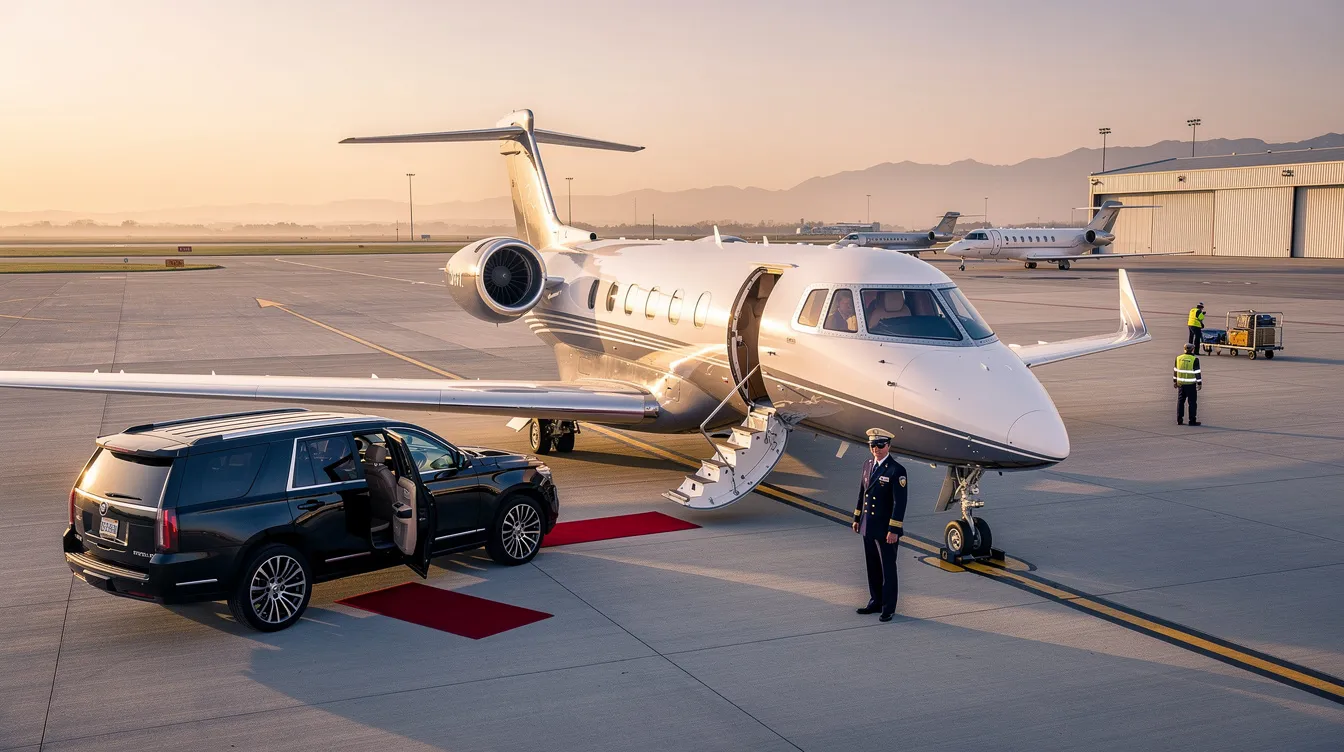
Private aviation is more than a luxury—it’s a strategic tool for executives, investors, and discerning travelers who understand that time compounds. Arrive 15–20 minutes before departure, bypass security lines entirely, and land at private terminals steps from your ground transportation. Access to over 5,000 U.S. airports, compared with the roughly 500 served by commercial airlines, means you fly directly to your final destination, not the nearest hub.
Small aircraft—piston, turboprop, and light jets—represent the most cost-effective gateway into private aviation, especially when you evaluate the cheapest private jet and other affordable options and explore strategies to fly private more cheaply. For regional business trips under 800 miles or high-end leisure weekends, these aircraft deliver tailored schedules without the capital outlay of ownership. To rent a private jet, you simply select your preferred aircraft and itinerary, then enjoy a personalized experience with flexible departure times and luxury services tailored to your needs. Chartering avoids the maintenance contracts, crew salaries, hangar costs, and insurance premiums that make private jet ownership economically sensible only for annual flight hours above 200–300.
BlackJet approaches this market with precision: third-party operator audits ensuring safety, technology-driven matching of aircraft to mission, and carbon-neutral flights built into premium Jet Card programs at no extra cost to you. The remainder of this article walks through base hourly rates, fee structures, real-world scenarios, and membership options—giving you everything needed to estimate and control your aircraft charter spend.
Key Factors That Drive the Cost of Chartering a Small Plane
Charter pricing isn’t flat like an airline ticket. It’s a composition of aircraft selection, flight distance, timing, and operating conditions that interact dynamically. Understanding these variables empowers you to make smarter booking decisions.
The primary cost drivers include, and understanding overall private jet charter pricing helps you see how each variable affects your final quote and how they fit into a broader private jet price list of ownership and charter options:
Aircraft size and type
Flight distance and duration
Departure and arrival airports
Demand, seasonality, and scheduling flexibility
Service level (in-flight catering, ground transportation, etc.)
Safety and compliance requirements—qualified crew with ATP licenses, maintenance standards under Part 135 operations, and legal crew duty limits—also influence cost behind the scenes and underline why private jets have such strong safety records. Reputable aircraft operators won’t compromise these to advertise artificially low rates.
Aircraft Size and Type
The term “small plane” covers everything from a 4-seat piston aircraft to an 8-seat light jet, each with dramatically different private jet rental prices and capabilities; understanding private jet sizes and how to choose the right fit helps you frame those trade-offs, and there are also budget-friendly private aircraft options for travelers prioritizing cost efficiency.
Piston aircraft (Cirrus SR22, Beechcraft Baron) offer the lowest hourly rates—$300–$1,500—but are limited to daylight, fair-weather operations with basic cabin comfort and shorter ranges under 500 miles, which is why many budget-conscious pilots start by comparing the cheapest single-engine plane options before moving into chartering.
Turboprops (King Air 200, Pilatus PC-12) represent the sweet spot for regional missions up to 800–1,000 miles. At $1,500–$3,000 per flight hour, they deliver pressurized cabins, reliable all-weather capability, and access to shorter runways at remote airports.
Light jets (Citation CJ3, Phenom 300, Hawker 400XP) command $2,500–$5,000 per hour, offering true jet speed, 1,200–1,800 mile range, and executive-level cabin space preferred for business travel; as you compare options, it can help to review the broader types of private jets available for different missions.
Very Light Jets (VLJs), compact aircraft designed for shorter trips and typically seating four to seven passengers, cost roughly $2,000 to $3,500 per hour and provide an economical entry point to private jet travel.
Midsize jets and super midsize jets offer expanded cabin space and longer range, with hourly rates typically ranging from $4,000 to $7,000, while larger cabins become relevant when you start evaluating larger aircraft, such as a 12-seater private jet or the best private jet for 20 passengers.
Heavy jets, designed for long-haul international journeys, usually have hourly rates of $7,000 to $10,000 or more, with some ultra-luxury models exceeding $15,000 per hour. These platforms are often used to compare large private jets for up to 50 passengers.
Newer models with Wi-Fi, leather interiors, and upgraded avionics sit at the upper end of each range. A sophisticated provider matches the smallest, most efficient aircraft that safely meets your mission profile—avoiding unnecessary spend on excess size or range.
Flight Distance and Time
Billable flight hours typically include taxi-out, climb, cruise, descent, and landing time between airports, and sometimes positioning legs required to bring the aircraft to your departure point.
The cost of a private jet is determined by the flight distance because longer flights consume more fuel. The longer the journey, the higher the charter cost due to increased fuel consumption and crew duty hours.
Route examples with approximate flight time:
New York (Teterboro) to Boston (Hanscom): ~1 hour in a light jet, billed at 1.0–1.5 hours depending on operator minimums
Dallas to Houston: ~45–60 minutes flight time, often billed at 1.0–1.5 hours minimum per leg
Longer segments prove more cost-efficient per mile because fixed fees are spread across a longer flight duration. Very short segments trigger short-leg fees or minimum-time surcharges. Multi-day trips may add daily minimum hours (often 2 flight hours per day) even if the aircraft sits idle, plus crew overnight expenses, all of which factor into any practical cost comparison of chartering a private jet.
Airports, Fees, and Positioning
Using smaller private airports often reduces landing fees and handling charges while cutting drive time compared to major international hubs.
Landing fees for private jets vary widely, typically ranging from $100 to $1,500 per flight, depending on the airport and the size of the aircraft. Ramp and handling fees usually fall between $100 and $400 per visit to fixed base operators.
“Positioning” or “ferry” legs occur when the ideal aircraft is based 45–60 minutes away—you may be billed for that extra flight time. Technology platforms actively search for nearby aircraft or home-based options to minimize aircraft positioning fees.
Choosing a suburban executive airport (Van Nuys instead of LAX, Teterboro instead of JFK) can materially reduce line-item airport fees while keeping you closer to private terminals.
Demand, Season, and Scheduling Flexibility
Charter prices spike around peak periods: winter holidays in Florida and Colorado, major events, and summer weekends at coastal destinations. Limited aircraft availability drives hourly rates up 20–50%, increases minimum times, or reduces access to preferred aircraft types, making options like buying a seat on a private jet or leveraging private plane rideshare more attractive for some travelers.
Booking further in advance yields more options and better pricing. Last-minute requests (inside 24 hours) carry premiums—unless you can capitalize on empty leg flights, which offer discounts of 30–75% on repositioning segments.
Jet card programs offer insulation from seasonal volatility through fixed rates and guaranteed availability, removing the uncertainty from your private charter flights budget; for a deeper understanding of membership structures, you can compare jet card cost and private jet membership pricing, explore how jet card pricing is structured across fees and hourly rates, zoom in on jet card cost per hour for different aircraft types, or evaluate specific options like a 25 hour jet card and its features and costs versus a 100 hour jet card cost structure for frequent flyers. Some, like the BlackJet 25+ Hour Jet Card, also bundle Wi‑Fi and consistent pricing across aircraft categories.
Taxes, Government Charges, and Common Add-On Fees
Beyond the hourly rate, predictable taxes and fees appear on U.S. and international charters. Reputable providers quote these transparently, but understanding each line item helps you compare quotes accurately and avoid hidden fees.
Together, these charges can add 10–25% or more to the base charter costs, especially on shorter flights where fees don’t dilute across extended flight range, and they scale significantly when you analyze charter plane costs for 100 passengers or even when you’re simply trying to identify the cheapest private jet options for smaller groups, compare leading private jet charter companies in the USA, or evaluate the best small private aircraft for specific mission profiles.
Federal Excise Tax and Segment Fees (U.S.)
Most U.S. domestic charters carry a 7.5% federal excise tax on the base transportation charge—a mandatory government levy, not operator markup. The standard U.S. segment fee runs approximately $4–$5 per passenger, per leg.
Example calculation:
Base charter: $6,000
FET (7.5%): $450
Segment fees (4 passengers, round trip): ~$35
Tax-adjusted total: $6,485
Other fees include:
Short leg fees charged to offset increased fuel consumption and maintenance costs for frequent short trips
Crew overnight expenses: $200–$600 per crew member per night
Catering: $200–$1,000+ per leg depending on menu sophistication
Ground transportation (sedan/SUV transfers): $150–$800+ per booking
Fuel surcharges, especially when fuel prices spike, can add $600 to $1,000+ per hour
Booking Process for a Private Jet Charter
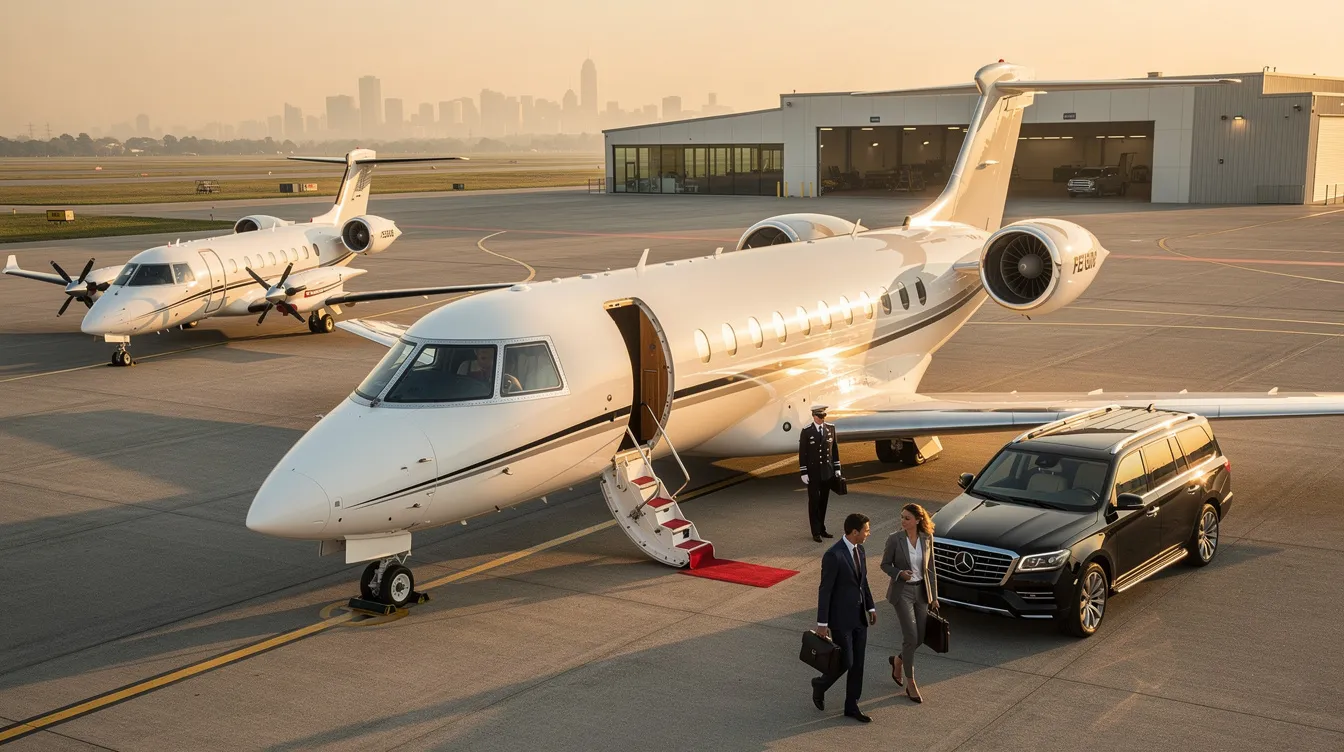
Booking a private jet charter typically involves contacting a charter company or broker to discuss your travel needs. Understanding what a charter flight is and how it works will make those conversations far more productive. After inquiring about a charter jet, you will be assigned a personal charter specialist who will provide quotes and assist with the booking process.
Your personal account manager will be your point of contact for any questions or requests leading up to the flight, ensuring a smooth and personalized experience, especially if you’re also evaluating the best jet cards for frequent flyers, comparing Flexjet jet card cost and program details, or reviewing NetJets jet card cost and pricing options alongside on‑demand charters.
Private jet charters let you bypass long security lines and access private terminals, enhancing the travel experience. You can often check in just 15–20 minutes before departure.
Private jet rentals provide access to thousands of airports worldwide, allowing you to land closer to your final destination and avoid the inconvenience of major commercial hubs, whether you’re flying into global centers like Karachi by private jet charter or arranging private jet charters in Lahore or other smaller regional airports.
The booking process includes an initial consultation, aircraft selection, and booking confirmation. Private jet charters can often be arranged on short notice, sometimes within just a few hours, but booking at least 24-48 hours in advance is recommended for optimal pricing and availability; reviewing a full guide to small plane charter costs can also help you frame expectations before you request quotes.
Benefits of Chartering a Private Jet
Private jet travel offers a secure environment for sensitive conversations, enhancing privacy compared to commercial flights. Travelers can bring more luggage and equipment onboard, making it suitable for business and leisure needs, while aspiring pilots or aviation enthusiasts might instead explore cheap light aircraft for budget-friendly flying adventures or research the cheapest new plane options for first-time owners as an ownership path outside the charter model.
Chartering a private jet provides significant time savings, greater flexibility, and a personalized travel experience with tailored in-flight services and amenities. Frequent travelers often enhance this further by locking in a 50-hour jet card to ensure predictable pricing, while pilots who also fly themselves may look at the best, cheapest planes across different budgets to balance charter use with personal aircraft ownership.
Conclusion: Making Smart Choices in Small Plane Chartering
Chartering a small plane is a strategic investment in time, flexibility, and comfort. Whether you choose a piston aircraft for short, economical hops, a light jet for speed and cabin space, or even explore premium private jets for sale in the UK, understanding the factors that influence private jet charter costs empowers you to tailor your travel experience to your needs and budget.
For travelers seeking a seamless and reliable private aviation experience, partnering with a reputable provider is essential. BlackJet, a leader in private jet charter, offers a technology-driven platform that matches you with vetted aircraft operators who meet the highest safety standards. Their Jet Card programs provide fixed hourly rates, carbon-neutral flights, and priority access to a wide range of aircraft, simplifying budgeting and ensuring availability even during peak travel times.
By leveraging BlackJet’s expertise and transparent pricing, you can navigate the private aviation market with confidence, enjoying the unparalleled convenience, privacy, and luxury that chartering a small plane provides. Explore BlackJet’s offerings to experience how smart chartering can elevate your travel to new heights.


 Sign up with google
 Sign up with Apple