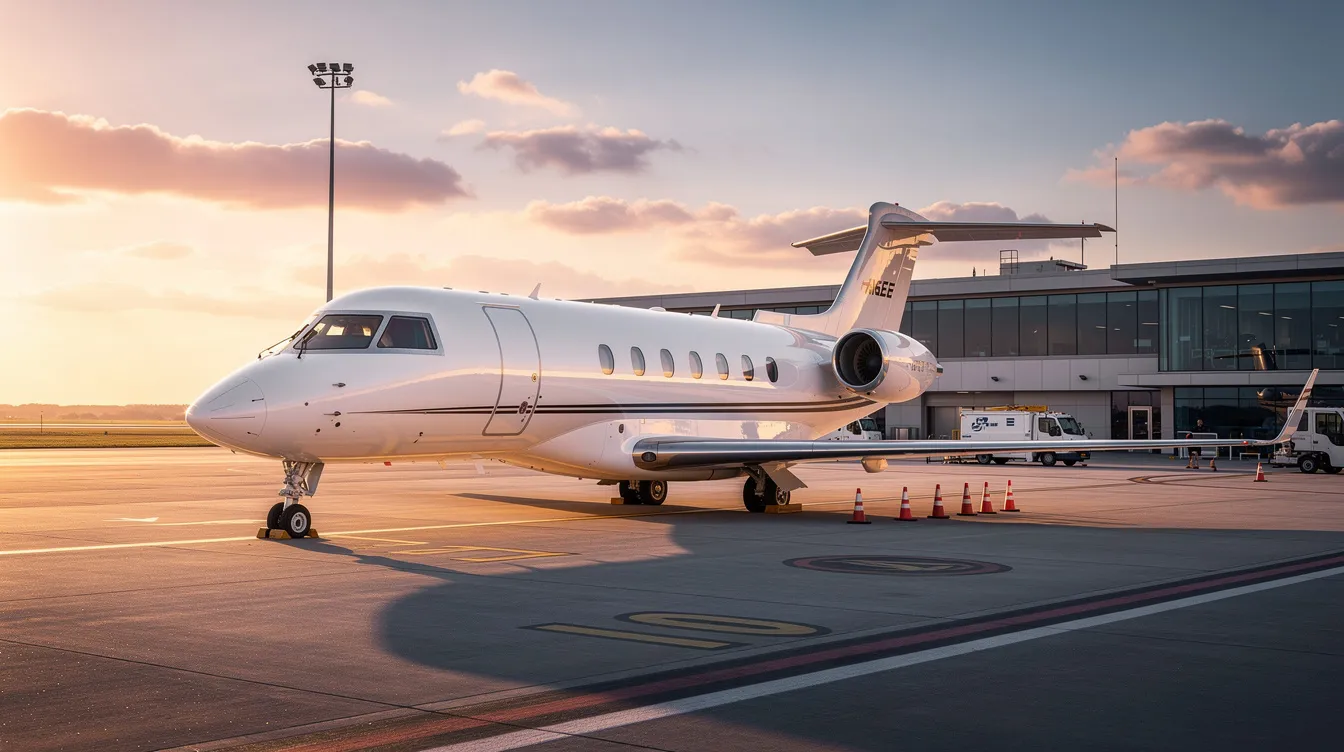
Private aviation is no longer only a symbol of luxury. This guide is designed for executives, founders, family offices, and discerning leisure travelers who are considering private aviation as a strategic advantage. Understanding the aircraft buying process, as well as alternatives like Jet Cards, is crucial for making informed decisions that balance cost, flexibility, and operational responsibility. For executives, founders, family offices, and discerning leisure travelers, it is a strategic advantage: fewer wasted hours, more privacy, regional airport access, and the ability to turn travel time into productive time.
If you arrived here searching for “aeroplane buy,” you are likely comparing aircraft for sale, featured listings, financing, insurance, and operating costs. This guide helps you understand the aircraft market, compare ownership with private jet access, and decide whether buying or joining a Jet Card program such as BlackJet is the smarter move.

Why “Aeroplane Buy” Is Changing: Ownership vs. On‑Demand Access
For decades, buying an aircraft was the default path for executives who wanted control, prestige, and privacy. Today, Jet Cards and membership models can deliver much of that same control with less capital tied up and far fewer operational headaches.
A light jet may cost roughly $3–8 million to purchase, and annual operating costs can easily exceed $500,000 once you include crew, hangarage, fuel, inspections, insurance, training, subscriptions, and management. By contrast, prepaid access models like BlackJet’s 25-hour and 50-hour Jet Cards let customers secure private jet access while understanding the jet card cost per hour without taking on depreciation, maintenance responsibility, or resale risk.
Many buyers still begin by browsing aircraft for sale. But increasingly, they compare listings against access models before committing millions of dollars to a single asset.
Option | Capital outlay | Scheduling flexibility | Maintenance responsibility | Resale/asset risk |
|---|
Full ownership | Millions upfront, plus annual fixed costs | Highest control when the aircraft is available | The owner is responsible directly or through a management company | Full exposure to depreciation, market timing, and obsolescence |
Private jet charter | No purchase cost | Flexible, but availability and pricing can vary | Operator handles maintenance | No asset risk |
BlackJet Jet Card | Prepaid 25-hour or 50-hour access | Priority access with predictable service levels | BlackJet and its vetted operators manage aircraft standards | No resale risk or model-specific depreciation |
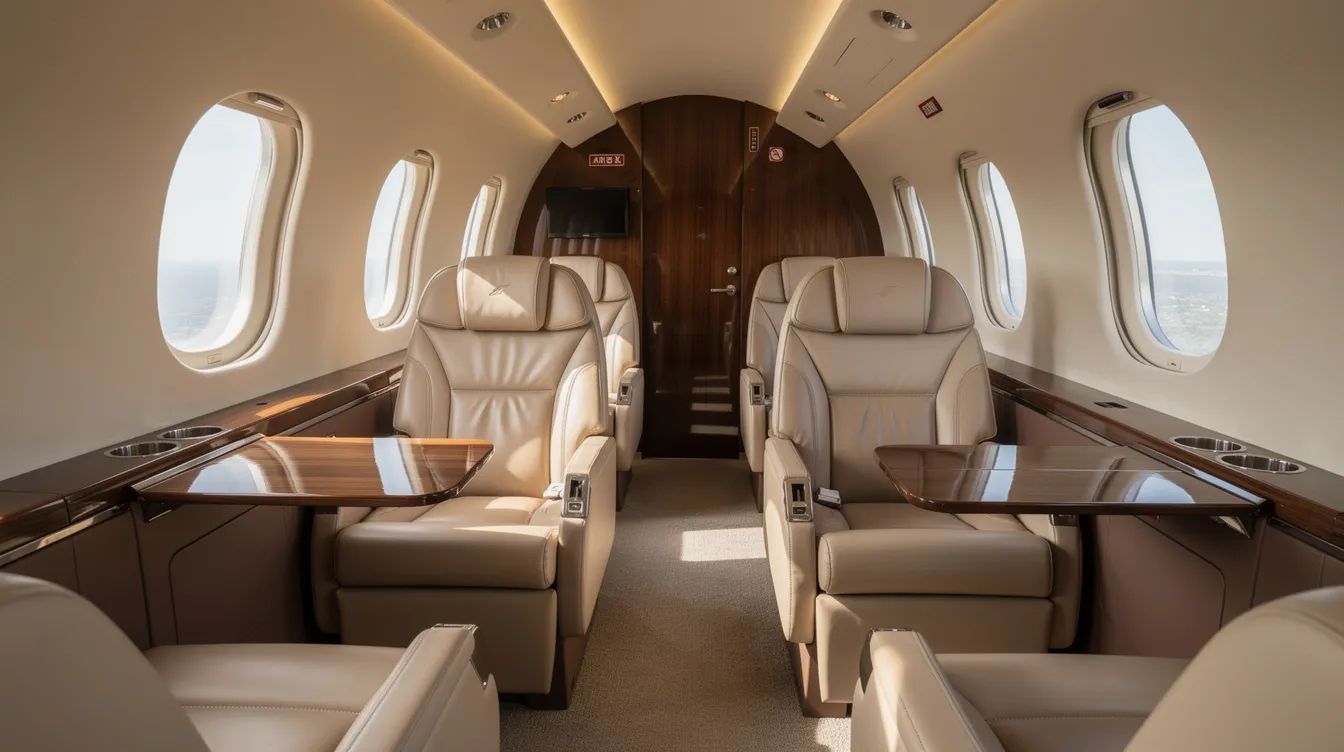
The prestige of private aviation is not only about the cabin. It is about what the cabin makes possible: confidential meetings onboard, departures from smaller regional airports, fewer overnight stays, and fewer hours lost to commercial airport friction.
For a New York executive visiting Chicago twice a month, private access can turn a full-day commercial itinerary into a focused business trip. For a family traveling to a mountain home, it can make the difference between a long connection and a direct arrival at a closer regional airport.
Search by Aircraft Category: From Piston Aircraft to Long‑Range Jets
Serious buyers usually start by defining the mission profile: distance, passenger count, runway needs, weather requirements, and annual usage. The better question is not “Which model looks best?” but “Which aircraft category meets my needs 90% of the time?”
Aeroplanes available for private purchase generally fall into three main categories: piston aircraft, turboprops, and private jets. Aircraft can also be categorized into several types, including jets, turboprop aircraft, piston aircraft, light sport airplanes, and helicopters, and buyers should understand the broader private jet sizes to match mission profiles. There are various markets for aircraft, including private, commercial, military, and agricultural sectors.
Piston aircraft
Typical range: about 500–1,000 nautical miles, depending on fuel, payload, and weather.
Typical capacity: 2–5 people.
2026 price band: older used aircraft can start around six figures; modern Cirrus SR22 models can range from roughly $300,000 to more than $1 million.
Best for: recreational flying, flight instruction, and short regional trips.
Single-engine piston aircraft are fuel-efficient aircraft ideal for operating out of small local airstrips, typically seating 2 to 4 people.
Use case: an owner-pilot flying short hops between secondary cities, or a family traveling to a weekend property under 300 nautical miles away.
Note: piston ownership can be sensible for very specific missions, but the owner must budget for annual inspections, fuel, insurance, hangar/tie-down fees, and routine maintenance.
Turboprops
Typical range: about 600–1,500 nautical miles.
Typical capacity: 6–9 passengers.
2026 price band: used examples often range from about $1 million to $6 million or more, depending on model and age.
Turboprops combine the efficiency of propellers with the performance of jet engines, making them suitable for business travel and accessing shorter runways.
Use case: Dallas–Houston, Boston–Maine, or short regional business flights where runway flexibility matters more than jet speed.
Example models: Beechcraft King Air 250, Pilatus PC-12, Daher TBM.
Very Light Jets
For many buyers, exploring top affordable private planes can clarify where VLJs fit among lower-cost ownership and access options.
Typical range: about 1,000–1,500 nautical miles.
Typical capacity: 4–6 passengers.
2026 price band: roughly $1.5–5 million for many new or used VLJs in good condition.
Very Light Jets (VLJs) are designed for quick, short-haul flights and small groups, typically under 3 hours, making them attractive small private jets for luxury travel.
Use case: a founder flying two colleagues to meetings across several regional cities in one day.
Light jets
Typical range: about 1,500–2,500 nautical miles.
Typical capacity: 6–9 passengers.
2026 price band: roughly $4–10 million, with used pricing varying by year, engine status, and avionics.
Private jets are divided into sub-categories based on their range and cabin size, providing high levels of speed, comfort, and altitude capability.
Use case: New York–Miami, Los Angeles–Jackson Hole, or regional business trips where speed and cabin comfort matter.
Mid-size jets
Typical range: about 2,000–3,000 nautical miles.
Typical capacity: 6–9 passengers, often with more baggage and cabin comfort than light jets.
2026 price band: roughly $8–20 million, depending on model year and condition, fitting into many standard private jet price list ranges for this category.
Use case: NYC–Aspen nonstop, Chicago–Scottsdale, or longer domestic trips with executives who need a more comfortable cabin.
Large-cabin and long-range jets
Travelers considering ultra-long itineraries may also compare the best long range private jet for sale when evaluating this category.
Typical range: 3,000+ nautical miles, with ultra-long-range aircraft exceeding 7,000 nautical miles.
Typical capacity: 10–19 passengers, with some configurations approaching the capabilities of the best private jets for around 20 passengers.
2026 price band: often $30–75 million for large-cabin jets, and $60–120 million+ for ultra-long-range aircraft.
Heavy & Ultra-Long-Range Jets can carry up to 19 passengers and feature amenities like private bedrooms and galleys for intercontinental travel.
Use case: New York–London, Los Angeles–Tokyo, Dubai–Geneva, or multi-continent business itineraries.
Other recognized categories
Amphibious/Floatplanes are designed to land on both water and traditional runways.
Experimental or homebuilt aircraft are also a recognized category within the aviation industry, allowing enthusiasts to build their own aircraft.
Light sport airplanes and helicopters may appear in listings, but they serve very different mission profiles from business aviation, even when shoppers are focused on the cheapest private jet options or other budget-friendly aircraft.
BlackJet members effectively search by category each time they book. Instead of committing to one owned airframe, they choose the cabin class that fits the trip: light, mid, super-mid, or large, mirroring the main types of private jets for every traveler.
Search by Popular Models and Featured Listings
After choosing a category, buyers usually narrow the aeroplane buy decision to proven models and featured listings. Cost-conscious shoppers may focus on the cheapest private aircraft options, while others prioritize range or cabin size. This is where real asking prices, aircraft history, inventory, and condition begin to matter.
There are thousands of new and used aircraft listings available for sale across various online platforms, including curated inventories such as premium UK private jets for sale. Many buyers start by looking at the best small private aircraft for their needs before expanding to larger categories. Aircraft listings can include a wide range of categories such as jets, turboprops, helicopters, and light sport airplanes. Online platforms for aircraft listings often provide access to both private and commercial aircraft markets, catering to diverse buyer needs.
Popular starting points include:
Piston aircraftCessnaa 182: a dependable piston option for pilots who want simplicity, utility, and broad parts support.
Cirrus SR22: a high-performance single-engine aircraft with modern avionics and strong buyer demand.
Piper Saratoga II HP 2000 model: often seen around the $400,000 range, depending on condition, hours, and upgrades.
Socata TB series, includingTrinidadd models, can also appear in private sale searches.
Turboprops
Beechcraft King Air 250: a respected business aircraft with strong utility and runway performance.
Pilatus PC-12: a single-engine turboprop known for cabin volume and short-field performance.
Daher TBM: a fast owner-flown turboprop with strong appeal among experienced pilots.
Light jets
Embraer Phenom 300: popular for efficiency, speed, and cabin quality.
Cessna Citation CJ4: a strong light jet option for business missions.
Mid-size jets
Cessna Citation XLS+: a widely used midsize aircraft with a practical cabin and strong market recognition.
Embraer Praetor 500: a modern midsize aircraft with impressive range and technology.
Bombardier Challenger 350: popular among corporate flight departments.
Large-cabin and ultra-long-range jets
Some buyers will also review the largest private jets for sale when stepping into this segment.
Gulfstream G650ER: known for intercontinental range; some pre-owned examples are listed in the tens of millions.
Bombardier Global 8000: designed for the highest end of ultra-long-range travel.
Dassault Falcon 10X: positioned for global missions and large-cabin comfort.
A strong featured listing usually includes:
Recent year of manufacture.
Low total airframe hours.
Engine hours and cycles.
Complete maintenance logs.
Current inspection status.
Clear damage or incident history.
Avionics details, such as Garmin G1000, glass cockpit upgrades, ADS-B compliance, or autoland features.
Clear asking price or “make offer” status.
Do not judge value from asking prices alone.
Buyers should compare featured listings against independent market data, recent transactions, and post-2020 inventory levels. A clear private jet price list overview can help frame what is reasonable for each category. Tight markets can cause sellers to overprice aircraft, while softer markets can create room to negotiate.
If a listing site asks you to complete a security check, do not ignore it. A typical step verifies that you are not a bot and may ask you to solve a puzzle to prevent spam. If a page says “puzzle requires Google Translate,” you may need to disable Google Translate, confirm the page language, retry after a temporary error, or contact the site account team before continuing. If translation is disabled and the puzzle still fails, the human completion process may require a support request. Thanks to these checks, marketplaces can protect listings from spam and keep inventory content more reliable for real buyers proceeding with due diligence, even for travelers who may ultimately just buy a seat on a private jet or explore private plane rideshare options rather than purchase an entire aircraft.
With a BlackJet Jet Card, you avoid this model-specific risk. You can fly on equivalent or better aircraft without needing to sell the asset later, worry about depreciation, or place capital into one model that may not fit every mission.
What to Check Before You Buy an Aeroplane
If you continue toward an aeroplane buy, treat due diligence like a professional acquisition process. The wrong aircraft can become expensive quickly, even if the purchase price looks attractive.
Use this checklist before proceeding:
This is where BlackJet’s premium private jet card programs become compelling. Aircraft selection, maintenance, safety vetting, operator standards, and scheduling support are handled centrally, removing the burden from the traveler while preserving the experience of private flight.
Private Jet Access vs. Aircraft Ownership: Which Strategy Fits You?
This is the core strategic choice: buy an airplane outright, use private jet charter when needed, or secure guaranteed access through a jet card membership. The right answer depends on annual hours, mission consistency, capital priorities, and how much operational responsibility you want to carry.
Outright ownership
Private jet charter
BlackJet Jet Card
Travelers comparing membership structures should understand broader jet card pricing before committing to a specific program.
Scenario: executive flying New York–Chicago twice a month
Likely annual usage: about 40–60 hours.
The traveler gets easy access, predictable service, and privacy without buying.
Scenario: family with a vacation home 200 nautical miles away
Scenario: multinational CEO flying transatlantic monthly
A large-cabin Jet Card, fractional access, or corporate aircraft can all be considered, including reviewing private jet options for 15 passengers when traveling with an extended team or family.
Full ownership may be justified only if the aircraft is used heavily and consistently.
BlackJet can help model whether access, fractional, or ownership best fits the travel pattern.
Safety, Certification, and Carbon‑Neutral Flying with BlackJet
Safety is often the strongest argument for buying your own aircraft: you know the crew, the maintenance provider, and the aircraft history. But a professionally managed access model can provide equal or greater reassurance by centralizing safety standards across vetted operators.
BlackJet focuses on four pillars: safety, certification, sustainability, and technology.
Operator standards
BlackJet partners with operators that meet or exceed benchmarks associated with ARGUS, IS‑BAO, and Wyvern-style safety programs.
These programs typically evaluate pilot experience, accident and incident history, operational control, insurance, maintenance processes, and safety management systems.
You can learn more about business aviation safety frameworks through the International Business Aviation Council’s IS‑BAO program.
Pilot qualifications
BlackJet expects mandatory pilot experience thresholds.
Recurrent training is central to professional private aviation safety.
Crew readiness, simulator training, and operational discipline matter as much as the aircraft itself.
Technology and transparency
Travelers comparing aircraft may also look at rankings of the top private jets in the world to understand how cabin technology and performance influence ownership and access decisions.
BlackJet uses digital booking tools, real-time flight support, mobile itinerary access, and digital trip briefs, similar to how leading providers such as Flexjet jet card programs emphasize tech-enabled service.
Real-time flight monitoring gives members control and visibility comparable to owning, without managing the aircraft.
Support teams help connect route planning, aircraft category, passenger needs, and timing into one seamless experience.
Carbon-neutral flying
All BlackJet flights are carbon neutral by default through verified carbon offset projects.
Offsets are calculated per flight hour, considering aircraft type, fuel burn, and trip profile.
Carbon offset projects may include verified reforestation, renewable energy, or emissions reduction programs.
Where available, operators may also use sustainable aviation fuel blends, though SAF availability varies by airport and region.
Owning an older aeroplane can create a larger environmental footprint. Less efficient engines, older avionics, noisier operations, and required retrofits all fall on the owner. BlackJet offers a cleaner alternative by combining vetted aircraft access with carbon-neutral performance and modern operating standards.
The result is a high-end private aviation experience with the safety, sustainability, and convenience traditionally associated with top-tier corporate flight departments.

How to Use BlackJet Instead of Buying an Aeroplane
If you came here planning an aeroplane buy but want a more flexible model, BlackJet gives you a practical path forward. Instead of purchasing one aircraft, you secure access to the right cabin class for each trip.
Step 1: Inquire online or via concierge
Share your common routes, passenger count, baggage needs, pet needs, and annual flight expectations.
BlackJet’s team helps determine whether a 25-hour or 50-hour structure fits your travel pattern.
Step 2: Choose a Jet Card tier
A 25-hour regional card may fit domestic or short-haul travelers, while the dedicated BlackJet 25+ Hour Jet Card is designed for members seeking more flexible blocks of time; comparing a broader 50 hour jet card cost landscape can also inform how much time to pre-purchase.
A 50-hour global card may fit executives and families with more frequent or international travel, especially once you understand typical jet card cost per hour at that commitment level.
Cabin categories can be selected around light, mid, super-mid, or large aircraft needs.
Step 3: Complete member onboarding
Set up your account.
Confirm traveler details and documentation.
Review terms, booking windows, cancellation rules, and aircraft category access.
Step 4: Access the booking platform
Use the mobile or desktop platform to search available cabin classes.
Choose the category that fits the mission instead of choosing one permanent airframe.
BlackJet coordinates the aircraft, crew, support, and flight details.
Step 5: Fly by category
Light jets may fit short business trips.
Mid-size and super-mid jets may fit longer domestic missions.
Large-cabin aircraft may fit international travel or larger groups.
Example itinerary
When planning these trips, some members also compare offerings from the top private jet companies to benchmark service and fleet quality.
In January, a member books New York–Miami on a super-mid aircraft, while another traveler might arrange private jet charters in Karachi for regional business in South Asia.
In June, the same member booked London–Geneva on a large-cabin aircraft, a trip profile similar to those flown on private jets for 30 passengers when larger groups are involved.
In December, the member uses the remaining hours for regional family travel, whereas some occasions may call for private jets suitable for 50 passengers to move larger parties in one nonstop flight.
All trips are managed under one BlackJet Jet Card, without owning, maintaining, financing, or reselling a single aircraft.
Explore membership if you want aircraft access with less friction, less capital exposure, and more freedom to match each trip to the right cabin.
Frequently Asked Questions About Aeroplane Buying and Jet Cards
Here are common questions buyers ask when comparing aircraft ownership, private jet charter, and Jet Card access.
Is it better to buy a piston aircraft or use a private jet card for regional business travel?
It depends on who is flying, how often, and how much responsibility you want. A piston aircraft can make sense if you are an owner-pilot flying short regional trips frequently and you accept the obligations of maintenance, insurance, inspections, hangarage, and weather limitations.
A BlackJet Jet Card is often better if you value professional crew, cabin comfort, speed, operational support, and no ownership burden.
How many hours per year justify buying an aircraft for sale instead of joining a program?
For light and midsize jets, full ownership often begins to compete with charter or Jet Card access around 200–250 hours per year. Comparing the best jet cards for frequent flyers against your projected utilization helps clarify that break-even point. For super-mid, large-cabin, and ultra-long-range jets, the threshold may be closer to 300–400+ hours annually.
Below those levels, Jet Cards or private jet charter frequently provide better financial flexibility.
What are the total annual costs of ownership for light vs. mid-size jets in 2026?
A light jet flown about 200–300 hours per year may carry annual operating costs in the $500,000–$900,000 range, depending on fuel, crew, hangar, insurance, maintenance, and management. A mid-size jet can often run $800,000–$1.5 million annually at similar utilization.
Those figures do not include the opportunity cost of capital or depreciation. For context, industry pricing guides such as CollectAirs’ private jet cost overview and detailed explanations of how much it costs to rent a private jet show how quickly acquisition and operating costs scale by cabin size.
Is flying via BlackJet as safe as flying on my own aircraft?
BlackJet centralizes safety vetting across operators, aircraft, pilots, and operating procedures. Members benefit from standardized operator requirements, pilot qualifications, recurring training expectations, insurance review, and real-time support.
An individual owner can build an excellent safety program, but it requires expertise, oversight, and ongoing management. BlackJet provides that structure without asking the traveler to manage it.
Can I make my private flights carbon neutral without owning a newer aircraft?
Yes. BlackJet makes flights carbon neutral by default through verified carbon offset projects calculated per flight hour. That means members can reduce the climate impact of private flying without purchasing a newer aircraft or funding retrofits themselves.
This is especially useful for travelers who want private aviation convenience while maintaining clear sustainability standards.
What should I look for when reviewing aircraft for sale?
Start with mission fit, airframe hours, engine status, cycles, avionics, complete logbooks, AD compliance, inspection status, damage history, and parts availability. Then use an independent pre-buy inspection before committing.
Also, compare asking prices against recent market data. For example, aircraft marketplaces and specialist publications such as AVBuyer can help buyers understand aircraft categories, model trends, and market context, while charter pricing guides on the charter cost a small plane provide a benchmark for on-demand access alternatives.
Does financing make buying an aeroplane easier?
Financing can reduce upfront cash needs, but it does not remove operating risk. Lenders may require appraisals, down payments, proof of insurance, and a clean title review. Aircraft financing calculators can help estimate payments, but they do not fully capture maintenance reserves, fuel, crew, hangar, and downtime.
Financing helps buy the aircraft. It does not operate the aircraft.
What if I am unsure whether to buy, charter, or join BlackJet?
Model the travel pattern first. List your top routes, number of passengers, annual hours, baggage needs, preferred cabin class, and peak travel dates. Then compare total ownership cost against private jet charter and BlackJet Jet Card access, including how leading programs like NetJets jet cards are priced and what it would cost to charter a plane for 100 passengers if you frequently move larger groups.
If the aircraft meets your needs only some of the time, access may be the better strategy. Discover how BlackJet can reshape your travel with premium jet access, carbon-neutral flights, rigorous safety standards, and the flexibility to fly the right aircraft category every time.
Conclusion: Elevate Your Travel Strategy with Informed Decisions
Choosing to buy an aeroplane or opting for private jet access through programs like BlackJet is a pivotal decision that blends luxury with strategic advantage. While ownership offers control and customization, it comes with significant capital, operational, and resale responsibilities. Conversely, BlackJet’s Jet Card model provides seamless, carbon-neutral private aviation with rigorous safety standards and unparalleled flexibility—without the burdens of ownership.
By understanding aircraft categories, market listings, financing options, and safety protocols, you can confidently find the solution that fits your travel patterns and lifestyle. Whether flying regionally or internationally, frequent or occasional, the right choice maximizes your time, privacy, and productivity.
Explore how BlackJet can transform your private travel experience—offering effortless access to premier aircraft, backed by technology, sustainability, and expert support. Elevate your journeys with confidence, knowing you have the freedom to fly the right aircraft, on your terms, every time.


 Sign up with google
 Sign up with Apple