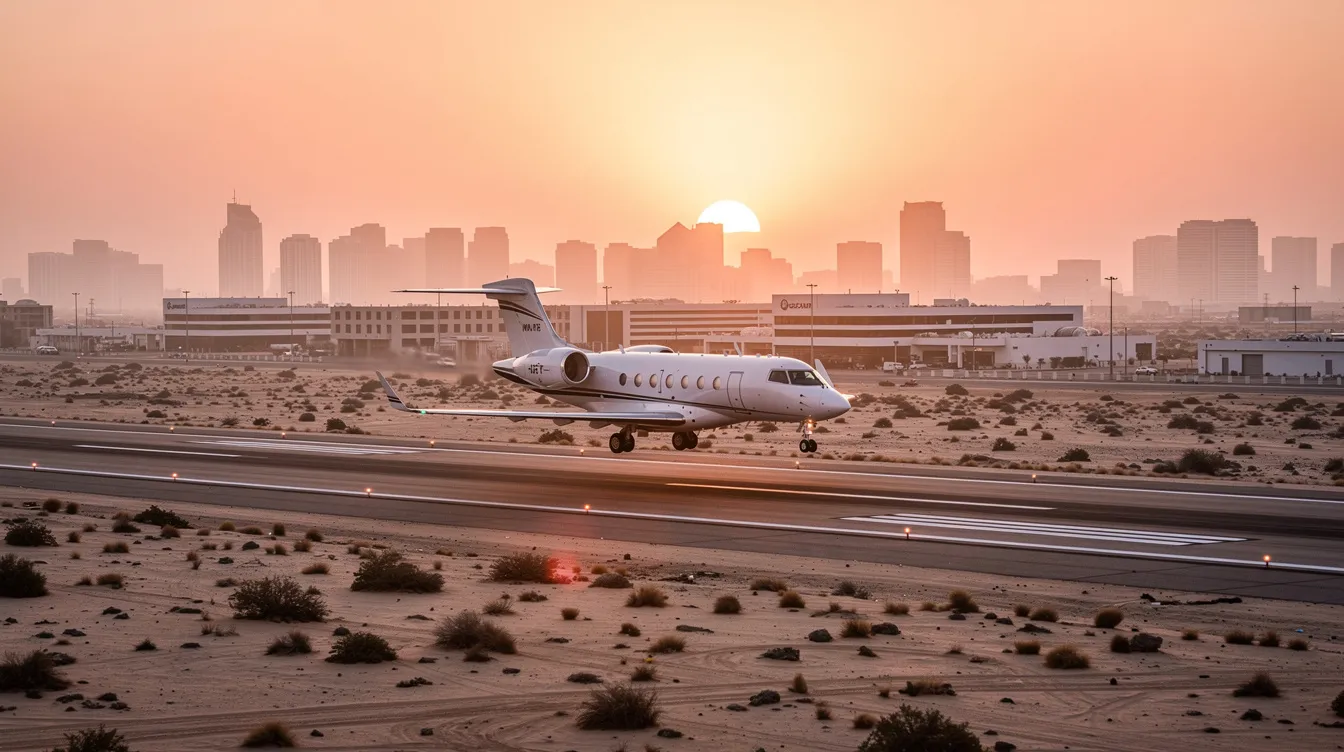
Private jet access on this corridor is not just luxury; it is a strategic tool for executives, founders, families, and visitors who need to protect time across the Pacific. This guide is for executives, business travelers, and families considering private jet travel between Tokyo and Las Vegas. It covers essential information on flight time, route options, costs, and booking tips to help you make informed decisions. For a convention, gaming weekend, or board meeting, the right jet can reclaim a workday.
Tokyo to Las Vegas private jet flight time – quick answer
The distance from Tokyo to Las Vegas is approximately 5,480 miles (8,820 kilometers), with flight durations typically ranging between 10 and 12 hours, depending on the type of aircraft and prevailing weather conditions.
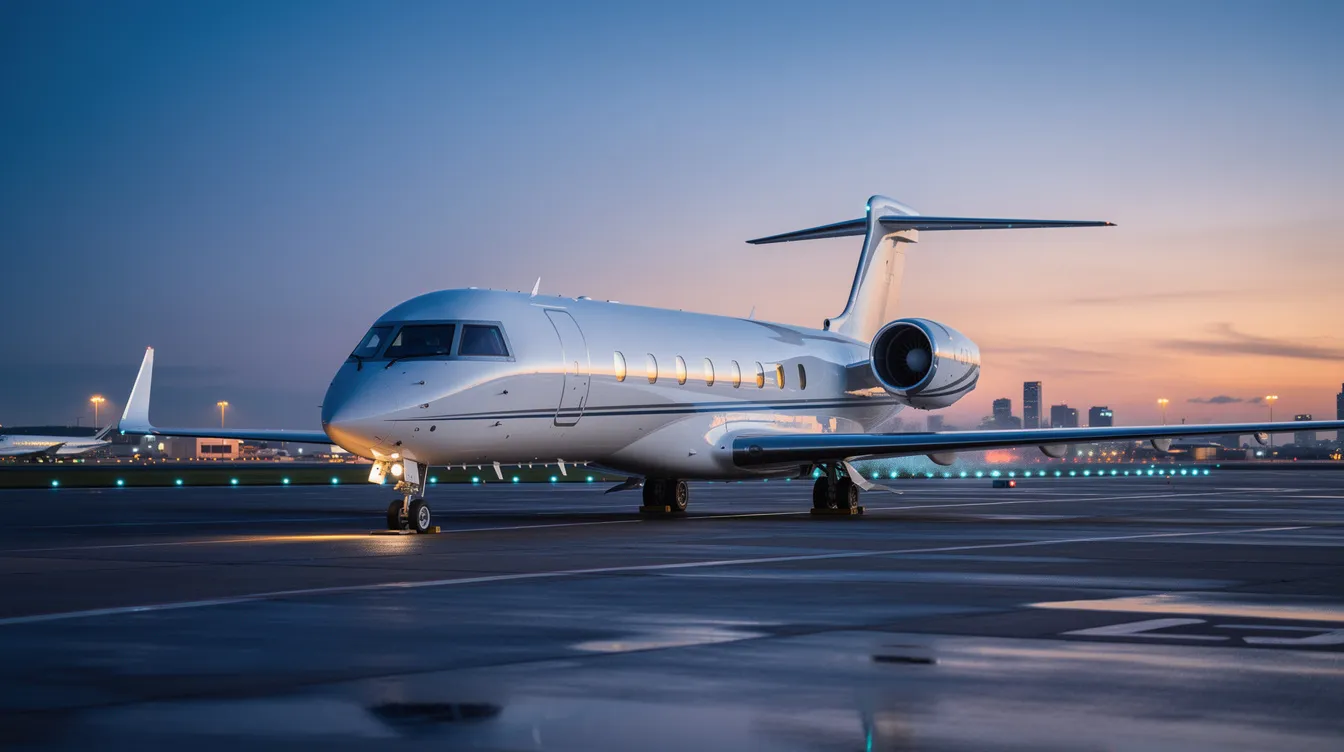
For Tokyo to Las Vegas flight time private jet planning, expect 10–11 hours on an ultra-long range jet such as a Gulfstream G650ER, Global 7500, Falcon 8X, or Global Express class aircraft.
Ultra-Long-Range Jets can complete the flight in approximately 10 hours and 50 minutes, while Heavy Jets typically take around 12 hours and 20 minutes.
This transpacific route requires an Ultra-Long-Range Jet or heavy jet to complete the trip without a refueling stop.
Commercial flights from Tokyo Haneda Airport or Narita International Airport to Las Vegas often take 14–18+ hours door-to-door with a connection.
Private jet travel reduces ground duration: arrive 15–30 minutes before departure, board quickly, and use faster handling where available.
A non-stop private jet flight from Tokyo to Las Vegas takes about 10 hours, while the return flight from Las Vegas to Tokyo takes approximately 11.25 hours due to headwinds.
BlackJet Jet Card members receive access to suitable private jet flights with predictable hourly rates and 24/7 support.
Flight Time and Distance Overview
Route | Distance (miles) | Distance (km) | Flight Time (Ultra-Long-Range Jet) | Flight Time (Heavy Jet) | Notes |
|---|
Tokyo to Las Vegas | 5,480 | 8,820 | ~10 hours 50 minutes | ~12 hours 20 minutes | Nonstop flight possible |
Las Vegas to Tokyo | 5,480 | 8,820 | ~11 hours 15 minutes | ~12 hours 45 minutes | Headwinds increase flight time |
Route overview: Tokyo to Las Vegas by private jet
Tokyo and Las Vegas are major hubs in the region for business and leisure travel, connecting technology, finance, entertainment, hospitality, and gaming. The route is common for business travelers attending CES, investors moving between Asia and the US, and leisure groups choosing Las Vegas as their destination.
In Tokyo, private operators often utilize Haneda Airport (HND) or Narita International Airport (NRT) for departing flights.
Tokyo is served by multiple airports for private jet travel, including Tokyo International Airport (Haneda) and Narita International Airport, which is the second busiest airport in the city.
In Las Vegas, private flights often land at Harry Reid International Airport (LAS) or Henderson Executive Airport.
Las Vegas is primarily served by McCarran International Airport, which accommodates private jet traffic and offers various services tailored for private travelers; today, this airport is officially Harry Reid International.
Other popular airports include Henderson Executive Airport and North Las Vegas Airport for quieter private flights.
Typical routing crosses the North Pacific, often near Alaska, then descends over the US West into Nevada, linking Asia and the US within the wider private aviation world.
Eastbound flights benefit from high-altitude tailwinds, which can reduce flight time, while westbound flights are affected by headwinds that increase travel time.
Private flights between Las Vegas and Tokyo typically range from 10 to 13 hours, depending on various factors, rs including aircraft type and weather conditions.
The optimal times to fly from Tokyo to Las Vegas are usually during the spring and fall seasons when weather conditions are most favorable.
Distance data aligns with common great-circle estimates near 4,790 nautical miles, as shown by air distance calculators and supported by advanced private jet flight time calculators.
Private jet categories for Tokyo to Las Vegas (heavy & ultra long range jets)
Ultra-Long-Range Jets are aircraft capable of completing the Tokyo to Las Vegas route non-stop without refueling, while Heavy Jets may require a stop depending on payload and weather; travelers exploring the best long-range private jet for sale will find similar aircraft types optimized for nonstop intercontinental missions.
Nonstop vs one-stop private jet flights from Tokyo to Las Vegas
Tokyo to Las Vegas private jet cost and how flight time affects pricing
Private jet cost depends on flight time, aircraft, date, airport fees, fuel prices, crew logistics, and services requested during the flight, following the same fundamentals outlined in broader guides to private jet charter pricing.
The estimated cost of a private jet from Tokyo to Las Vegas (one-way) is typically in the range of $70,000 to $100,000, depending on the aircraft type and other factors, consistent with broader private jet rental cost benchmarks and analyses of whether chartering a private jet is worth it.
For premium 2025 intercontinental missions, a heavy jet with a likely tech stop may cost around USD 140,000–190,000, while shorter or regional hops may benefit from the cheapest private aircraft options.
A nonstop ultra-long-range jet may run USD 190,000–260,000+ one way, positioning these trips alongside 10 million dollar private jet options in terms of overall spend and expectations.
Private jet charter costs can vary widely based on factors such as the aircraft type, distance traveled, and any additional services requested during the flight, as outlined in many private jet price list comparisons.
For international private jet trips, costs can be influenced by airport fees, fuel prices, and the need for any necessary stops along the route, similar to the dynamics described in guides to chartering a small private plane.
Example: 11.5 billed hours on a ULR jet shows why jet card cost per hour pricing creates certainty versus open-market charter volatility and aligns with broader Jet Card cost guidance.
BlackJet carbon-neutral flights include offset costs transparently.
Onboard experience: making 10–12 hours feel effortless
A long-haul private flight is different from a short hop. Cabin design, atmosphere, air quality, sleep, and connectivity matter, especially on the most expensive private jet options for luxury travel.
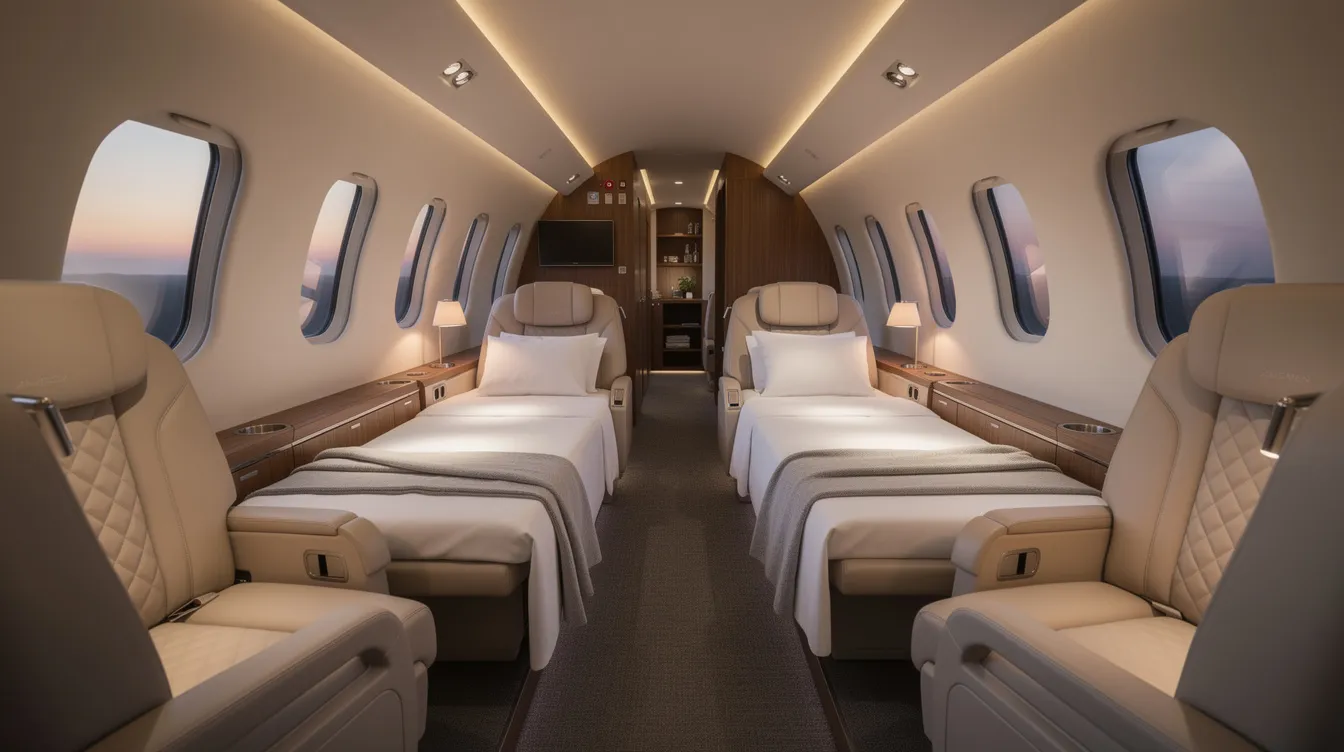
Lie-flat beds support real rest between Tokyo and Las Vegas.
Zoned cabins let travelers work, dine, sleep, or hold a remote board meeting.
Low cabin altitude and filtration help reduce fatigue.
Catering can include Japanese menus, wellness meals, Western dining, and premium drinks.
High-speed Wi-Fi supports live trading, video calls, and real-time details from the office.
Family trips can include entertainment, pet arrangements, and accommodating luggage plans.
Example: a Tokyo executive departs Haneda at night, sleeps on board, and lands mid-day ready for business, while larger corporate groups might instead select a private jet for 30 passengers to keep teams together.
BlackJet flight support monitors weather, air traffic, and routing across the Pacific, which becomes even more critical on complex charter flights for 100 passengers.
Sustainability and safety on ultra-long-range private jet flights
Long-range travel consumes significant fuel, so sustainability must be part of the plan, with some travelers opting for affordable private plane rideshare options on shorter segments to balance cost and emissions.
BlackJet’s commitment: every Jet Card flight is carbon neutral at no extra member cost.
Offsets are designed to support third-party verified carbon programs, with SAF initiatives used where practical.
Safety includes audited operators, experienced crews, duty-time management, and flight following.
BlackJet coordinates regulatory, customs, and overflight details so the journey feels smooth.
Booking options: Jet Card vs on-demand private jet charter for Tokyo to Las Vegas
BlackJet’s Jet Card offers private aviation access without owning a jet or accepting unpredictable charter pricing, fitting neatly within broader comparisons of the best jet cards for frequent flyers.
Jet Card:
On-demand private jet charter:
Technology:
24/7 digital booking through the BlackJet website, comparable to leading services offered by top private jet companies for luxury travel.
Real-time support for schedule changes.
Instant visibility on airport, timing, and estimate changes.
Example: a 50-hour Jet Card cost structure lets a member allocate roughly 20–24 hours for a round trip, then use the remaining hours for popular destinations in Asia or the US.
How far in advance should you book a Tokyo to Las Vegas private jet?
Ideal: 2–4 weeks ahead for the best aircraft choice, especially for CES, fight weekends, and high-season dates.
Achievable: 72–96 hours for Jet Card members who understand Jet Card pricing structures.
Short notice: 24–48 hours may be possible, subject to crew, aircraft, airports, and permits.
Private jet flights from Tokyo to Las Vegas can be scheduled at any time, providing flexibility to accommodate travelers' specific needs and preferences, including options to buy a seat on a private jet when appropriate or to explore budget-friendly private aircraft options for shorter missions.
When booking a private jet from Tokyo to Las Vegas, travelers can choose from several airports based on their specific needs and preferences, ensuring convenience and accessibility, while some may also explore more affordable private jet options for regional segments or review private jet price benchmarks in rupees when planning from India.
FAQs: Tokyo to Las Vegas private jet flight time and logistics
How long does it take? Usually 10–12 hours nonstop; weather, speed, and aircraft type decide the exact flight time.
Can every private jet fly nonstop? No. Light, midsize, and many super-midsize aircraft cannot use a heavy jet or ULR jet, especially if you need the best private jet for 20 passengers.
Which airports are best? Haneda for city proximity, Narita for slots; LAS for access, Henderson for privacy.
How does it compare with first class? The air time may be similar, but private aviation saves ground time and offers a customized schedule, particularly on large-group trips that may use private jets for 50 passengers or other private jet options for 30 passengers.
How is billing calculated? Jet Card billing typically uses block time plus transparent taxi assumptions, which become especially important when evaluating a 100-hour Jet Card cost.
Are pets allowed? Often yes, subject to destination rules, weight, balance, and documentation.
What about customs? Coordinated private terminals and handlers streamline arrival into Japan and the US, an important consideration for clients evaluating private jet leasing solutions or arranging complex routings such as private jet charters in Karachi.
Elevate your Tokyo to Las Vegas travel with BlackJet.
Tokyo to Las Vegas by private jet typically takes 10–12 hours nonstop.
The advantage is control: depart when you need, land close to your schedule, and arrive prepared.
BlackJet gives members predictable access, safety-certified operators, carbon-neutral performance, and 24/7 human and digital support.
For your next trip, contact BlackJet to model aircraft, timing, route, and budget for a smarter way to fly private.
Conclusion: Why Choose Private Jet Travel from Tokyo to Las Vegas
Private jet travel between Tokyo and Las Vegas offers more than just luxury—it is a strategic advantage for those who value time, flexibility, and seamless experiences. By choosing ultra-long-range heavy jets, travelers can complete this transpacific journey nonstop in approximately 10 to 12 hours, significantly reducing travel time compared to commercial options. The convenience of selecting preferred airports, customized onboard services, and the ability to schedule flights around your needs transforms long-haul travel into an effortless part of your itinerary.
Safety, sustainability, and technology are pillars that elevate the private jet experience. BlackJet ensures every flight meets rigorous safety standards while delivering carbon-neutral journeys without additional cost. Our Jet Card programs provide predictable pricing and guaranteed availability, empowering frequent travelers to access premier aircraft such as the Gulfstream G650ER or Global 7500 with ease.
Whether for business or leisure, flying private from Tokyo to Las Vegas is about reclaiming your time and arriving ready to engage. Elevate your travel with BlackJet’s seamless private jet access—where every detail is crafted for your success and comfort.


 Sign up with google
 Sign up with Apple