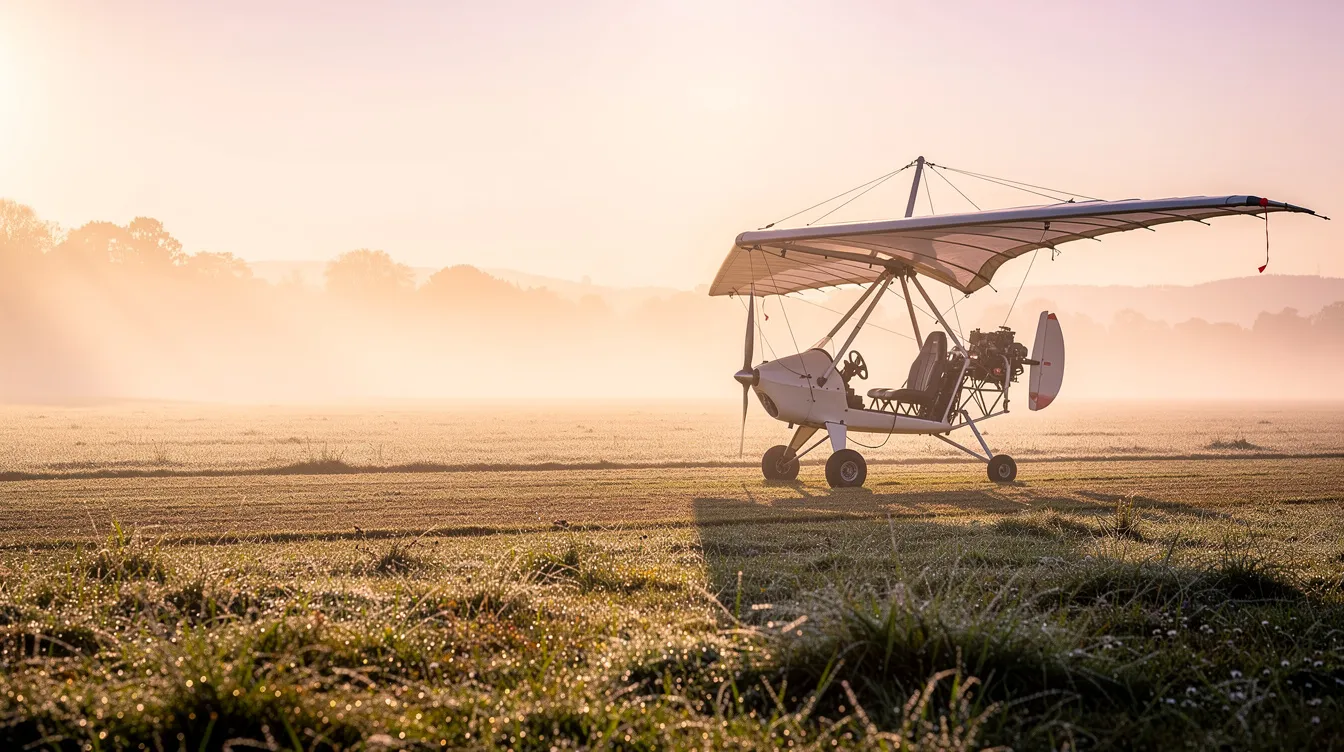
If you’ve been searching for an ultralight airplane for sale, you’re likely drawn to the promise of affordable flying with minimal red tape. This guide is for recreational pilots, aspiring owners, and anyone comparing ultralight aircraft with private jet travel options. Understanding the differences between ultralight aircraft and other aviation options is essential for making an informed purchase or travel decision. In 2026, these listings typically feature used Part 103 singles, kit-built models, and European-style aircraft marketed as Light Sport Aircraft. A Light Sport Aircraft (LSA) is a small, basic airplane that offers more versatility and features than an ultralight, but comes with additional requirements such as pilot certification. The appeal is clear: entry points as low as $3,000 and no pilot license requirement for compliant ultralights. FAA Part 103 regulations define a true ultralight as a single-seat aircraft with a maximum empty weight of 254 pounds and a top speed of 63 mph. These aircraft do not require a pilot's license or registration if they meet these requirements.
Typical prices for new basic ultralight models range from $8,000 to $15,000, making them accessible options for many recreational flyers. For example, the Phantom Aircraft produces the Phantom X1 ultralight, a well-regarded model in this price bracket. The HMEL Ultra Cruiser 103, featuring a four-stroke engine option, is priced at around $38,400 and offers a more powerful and refined flying experience. Other notable ultralights for sale include the SORRELL SNS-8 HIPERLIGHT, available at $15,000 or best offer, equipped with a 30hp air-cooled Kawasaki 340cc engine and cruising at 58 mph, and the WINDWAGON HALF VW, listed for $10,500, which boasts a maximum speed of 135 mph and a climb rate of 450 feet per minute.
Ultralight aircraft also offer a wide range of options and prices. The Northwing Maverick Ultralight is listed for $10,000 or best offer, while the Northwing Maverick custom model is available for $18,200 or best offer. Higher-end used models include the DTA 912 at $44,000 or best offer and the Air Creation Tanarg 582 / Ixess for $29,500 or best offer. Other models, such as the Northwing Apache 912-s and the Air Creation GTE with a Northwing M-Pulse 15.0m wing, are listed at $33,500 and $17,000, respectively. For those seeking affordability, the Cosmos Samba is available for $7,200. The Air Creation Twin 503 is also available for $17,500.
Introduction to Ultralight Flying
Ultralight flying opens the door to a world of adventure, offering an accessible, affordable entry point for anyone interested in the thrill of flight. Ultralight aircraft are engineered for simplicity and high performance, making them a favorite among recreational flyers and aspiring pilots alike. With their sleek designs and lightweight airframes, often constructed from durable aluminum tube-and-fabric materials, these planes deliver a unique sense of freedom—soaring at low altitudes, feeling the rush of air, and enjoying panoramic views that few other forms of aviation can match.
Many ultralight models, such as those from Kolb and Aerolite, feature foldable wings for easier storage, enhancing their practicality. Quicksilver Aircraft is known for easy assembly and gentle flying characteristics, making it a popular choice among beginners. Aerolite 103 is another highly popular and reliable entry-level ultralight aircraft, while Hummel Aviation and Badland Aircraft (offering the F1 UL model) are respected manufacturers contributing to the diversity of options available.
For those new to flying, ultralights present an opportunity to get airborne without the extensive commitment of traditional flight training or the need for a sport pilot certificate, provided you operate within FAA Part 103 regulations. This means you can focus on learning the basics of flight, safety, and maintenance at your own pace, often with the support of local flying clubs or experienced owners. Joining local Experimental Aircraft Association (EAA) chapters can also provide access to unlisted ultralights and expert advice, enriching the learning experience.
The affordability of ultralight aircraft, combined with their straightforward maintenance requirements, makes them an ideal choice for budget-conscious enthusiasts who want to maximize their time in the air. Ultralight aircraft typically achieve fuel efficiency of 10 to 30 miles per gallon, depending on weight and aerodynamics, making them economical to operate.
However, it’s important to remember that even the most accessible ultralight adventure comes with specific requirements. The FAA sets clear guidelines on weight, speed, and fuel capacity to ensure safety for both pilots and the public. Regular maintenance, proper training, and a commitment to safe flying practices are essential for every pilot—whether you’re taking your first lesson or logging your hundredth hour. Laboratory tests such as the "tap test" can be used during inspections to detect delamination in composite parts, ensuring structural integrity.
Night flying is prohibited for ultralight aircraft unless they are equipped with proper lighting systems, and flight is allowed primarily in Class G airspace. Pilots must obtain clearance from Air Traffic Control (ATC) to operate in Class B, C, D, and E airspace, highlighting the importance of adherence to regulations for safe operation.
By understanding these requirements and embracing the spirit of ultralight aviation, you’ll be well on your way to enjoying the ultimate freedom and performance that these remarkable aircraft offer.
Key Takeaways
Ultralight airplanes for sale in 2026 range from $3,000 for project airframes to $200,000+ for fully equipped composite LSAs, with common models like Kolb Ultrastar ($3,500–$8,000) and Quicksilver MX Sprint ($6,000–$18,000) dominating the used market—brand reputation and originality are key factors when evaluating these aircraft.
True FAA Part 103 ultralights require no pilot license or registration but are limited to single-seat, 254 lb empty weight, 63 mph max speed, and 5-gallon fuel capacity—restricting practical range to 60–120 miles.
Safety oversight differs dramatically between owner-maintained ultralights (5–10 fatal accidents per 100,000 hours) and professionally operated private jets (<1 per 100,000 hours), with dual crews and standardized maintenance programs.
Ultralights excel for local recreational flying from grass strips; BlackJet’s Jet Card programs, detailed in this guide to private jet membership pricing and value, serve business-critical and cross-country travel where time, safety, and comfort are paramount.
BlackJet provides carbon-neutral private jet access through prepaid 25- or 50-hour blocks, with no risk of aircraft ownership and professional crews on every flight.
What Buyers Really Mean by “Ultralight Airplane for Sale” in 2026
When someone searches for an ultralight airplane for sale, they’re typically seeking affordable, small recreational aircraft—often used Part 103 ultralights, kit-built experimental airplanes, or European-style ultralights marketed in the U.S. as Light Sport Aircraft. Listings usually include pictures to showcase the aircraft’s condition, features, and overall quality, helping buyers make informed decisions.
A “true” U.S. ultralight under FAA Part 103 must meet specific requirements:
Single-seat only
Maximum empty weight of 254 lb (excluding floats and safety devices)
Maximum level speed of 63 mph
Maximum fuel capacity of 5 gallons
Recreational daytime VFR use only
Many listings blur these lines. In early 2026, you’ll commonly see:
Experimental amateur-built aircraft (Kolb, RANS, Zenith kits) requiring registration
Two-seat trainers operating under experimental or LSA rules
Older Quicksilver models are no longer produced, but are widely traded
Weight-shift trikes, which feature a unique open cockpit design and tricycle landing gear, are popular for their simplicity and versatility
Concrete examples from current listings include Kolb Ultrastar airframes priced at $3,500–$8,000, vintage Quicksilver MX Sprint and MX II models priced at $6,000–$18,000, and partially complete kits priced at $4,000–$12,000. The MX Sprint ultralight features extremely fast roll response and handles crosswinds easily with conventional three-axis controls, while the MXL Sport is designed for a faster roll rate and greater speed range with its sleek, short span double-surface wing. The MX II Sprint ultralight is ideal for recreational flyers and flight schools due to its high lift and partial double surface wings. The GT 400 Special Edition ultralight is known for its spring-loaded nose wheel and short take-off capabilities.
Sellers often provide their best estimate of total hours or component history when exact records are unavailable. Pay close attention to details such as engine hours, maintenance records, included accessories, and wing specifications when reviewing listings. While these aircraft deliver pure flying adventure at accessible price points, they’re not practical replacements for business or long-distance travel.
Types of Ultralight Aircraft Commonly for Sale
Listings in 2026 typically fall into four broad categories, each with distinct performance characteristics and regulatory requirements:
Single-seat Part 103 ultralights such as the Quicksilver MX Sprint or Kolb Firefly feature open-frame tube-and-fabric designs, with cruise speeds of 45–60 mph and ranges of 60–120 miles. These models have a wing area typically between 140–170 sq ft, which contributes to their stable, forgiving flight characteristics—ideal for new pilots. Over the years, aircraft like these have been developed to improve safety and performance, with ongoing advances in materials and engineering. Prices span $5,000 for older examples to $20,000+ for newer or restored aircraft in good condition.
Two-seat trainers and experimentals such as the Quicksilver MX II Sprint or Sport 2S are often marketed as “ultralight” but technically operate as experimental or LSA. These feature tandem or side-by-side seating with Rotax 503/582 engines, cruising at 50–70 mph. Used prices range from $12,000 to $35,000, depending on engine hours and avionics. In this category, kit-built experimentals benefit from ongoing industry development, resulting in new models and features each year. Owners can also upgrade or replace small bits and components to enhance performance or customize their aircraft.
Modern composite LSAs, comparable to the Flight Design CT-series aircraft, offer Rotax 912 engines (80–100 hp), cruise speeds of 110–130 knots, and glass cockpits. Many of these models come loaded with advanced avionics, comfort features, and premium options, making them attractive to buyers seeking a high-end experience. The CT Super ultralight series is known for its performance, safety, and comfort, featuring advanced safety features and state-of-the-art avionics. The Flight Design CT Super Sport Turbo model can maintain 115 hp at altitude with its Rotax 914 Turbo engine. Used prices typically sit at $90,000–$200,000—approaching the cost of a multi-year private jet membership.
Specialized variants include amphibious models with floats, weight-shift trikes, and powered parachutes. Amphibious ultralights can take off and land on both water and land, but less than 5% of ultralights sold are amphibious. Trikes, in particular, often feature unique wing designs developed for specific flight profiles, such as short takeoff or cross-country cruising.
The trade-offs are clear: Part 103 singles offer minimal regulation and low cost but limited speed and comfort. Modern LSAs provide high performance and sleek design but require licensing and substantial investment.
Light Sport Aircraft Options: When to Consider an LSA Instead
While ultralight aircraft are perfect for local, solo adventures, there are times when a Light Sport Aircraft (LSA) is the smarter choice for your flying needs. LSAs bridge the gap between basic ultralights and fully certified general aviation planes, offering more versatility, comfort, and performance—without the complexity or cost of traditional aircraft ownership.
Light Sport Aircraft are designed for pilots who want to fly farther, carry a passenger, or enjoy advanced features like glass cockpits, higher cruise speeds, and increased fuel capacity. If your dream flight involves cross-country trips, higher altitudes, or sharing the experience with a friend or family member, an LSA may be the right fit. These aircraft typically feature robust airframes, modern engines (often Rotax), and enhanced safety systems, making them a popular choice for both flight training and recreational flying.
To operate an LSA, you’ll need a sport pilot certificate, which requires a minimum of 20 hours of flight training—significantly less than a private pilot license, but enough to ensure you’re prepared for the demands of higher-performance flying. LSAs must also be registered with the FAA and maintained according to manufacturer guidelines, providing an extra layer of safety and accountability compared to true ultralights.
On the market, you’ll find a wide range of LSA models, from sleek composite designs to classic aluminum builds, each offering different levels of comfort, speed, and technology. While the upfront price is higher—often ranging from $90,000 to $200,000 for a well-equipped used model—the investment brings greater capability, reliability, and resale value. For pilots who want to advance their skills, fly longer distances, or simply enjoy a more complete flying experience, stepping up to an LSA is a logical next step.
Price Ranges: How Much Does an Ultralight Airplane Cost?
Ultralight aircraft prices in 2026 range from roughly $3,000 for incomplete airframes to $200,000+ for high-spec composite LSAs. These price ranges generally align with industry standards for ultralight and light sport aircraft:
Used basic ultralights typically range from $3,000 to $12,000, including examples like the never-flown Kolb Ultrastar (~$3,500) and well-maintained Quicksilver MX Sprint ($8,000–$12,000).
Two-seat trainers and trikes usually fall between $12,000 and $35,000, with models such as the MX II and MXL II Sport featuring documented Rotax engines.
New kits (airframe only) are priced from $10,000 to $45,000, including options such as the Mini-Max 1100R ($10,999) and the Max-103 ($11,499).
Modern Light Sport Aircraft (used) range from $90,000 to $220,000, with examples such as the CTLS, equipped with Rotax 912iS engines and Garmin avionics.
Hidden costs accumulate quickly. Budget your money wisely for:
Engine installation: $5,000–$15,000
Propeller: $2,000–$5,000
Instruments and radios: $1,000–$3,000
Fabric recover (every 5–10 years): $2,000–$4,000
Annual operating expenses: $2,000–$5,000
You can save money by purchasing kit versions, shopping for deals, or saving your favorite listings for later consideration.
Total build costs for kits typically run 1.5–2x the advertised airframe price. A $150,000 LSA purchase plus annual expenses over five years can exceed the value of a 50-hour Jet Card program, which provides 25–50 hours of multi-city, carbon-neutral private jet travel—without any ownership risk; broader private jet price lists and cost breakdowns show how ownership, charter, and membership models compare over time.
Regulations and Licensing: When You Do (and Don’t) Need a Pilot License
Before responding to any ultralight airplane for sale listing, buyers must understand FAA rules—especially how easily aircraft fall outside Part 103. FAA regulations are designed to address safety and technical requirements for ultralight aircraft, ensuring they meet essential operating standards.
FAA Part 103 ultralight rules:
Single-seat only
254 lb max empty weight
63 mph max full-power level speed
5-gallon fuel limit
Daytime VFR only
No pilot certificate required
No aircraft registration required
Many “ultralight” two-seaters like the MX II Sprint or Sport 2S don’t qualify under Part 103. These require:
FAA registration (N-number)
Airworthiness certificate
Adherence to operating limitations
Sport Pilot certificate (minimum 20 hours of flight training)
Valid medical or BasicMed compliance
European “ultralight” regulations (450–600 kg MTOW classes) differ significantly from U.S. Part 103. Imported aircraft often require requalification as LSA via DAR inspection at $5,000–$10,000.
By contrast, every flight in BlackJet’s premium private jet service network is operated by professional crews flying under strict Part 135 commercial regulations, routinely cruising at higher private jet altitudes than commercial flights for smoother, more efficient travel. The regulatory burden, training, and certification are handled entirely by operators—never the traveler.
Safety, Maintenance, and Insurance Considerations
Maintenance Realities
Most ultralights rely on owner maintenance with no mandatory logbooks for Part 103
Buyers must inspect fabric tautness, cable rigging, and engine compression before purchase
Experienced A&P mechanics or ultralight specialists should conduct pre-buy inspections, reviewing all maintenance details and repair history to ensure transparency and safety
Every bit of hardware, fastener, and small component should be carefully inspected for wear or damage during maintenance
Laboratory tests, such as the "tap test," can be used to detect delamination in composite parts during inspections
Common Issues to Watch
Aging 2-stroke engines (Kawasaki, Rotax 277/447 series) with magneto problems
Corrosion in aluminum tubing
UV-damaged Dacron fabric
Rash—superficial tears or abrasions on the wing or sail fabric, which may require repair before safe operation
Minimal instrumentation limits safe operation
Insurance Challenges
Part 103 aircraft may only qualify for liability-only coverage ($500–$1,500 annually)
Hull coverage is rare and expensive
Financing is nearly impossible without 20–50% down
Risk comparison: Ultralights see approximately 5–10 fatal accidents per 100,000 flight hours compared to 1–2 for certified general aviation. NTSB data shows 20–30% of incidents are tied to maintenance lapses.
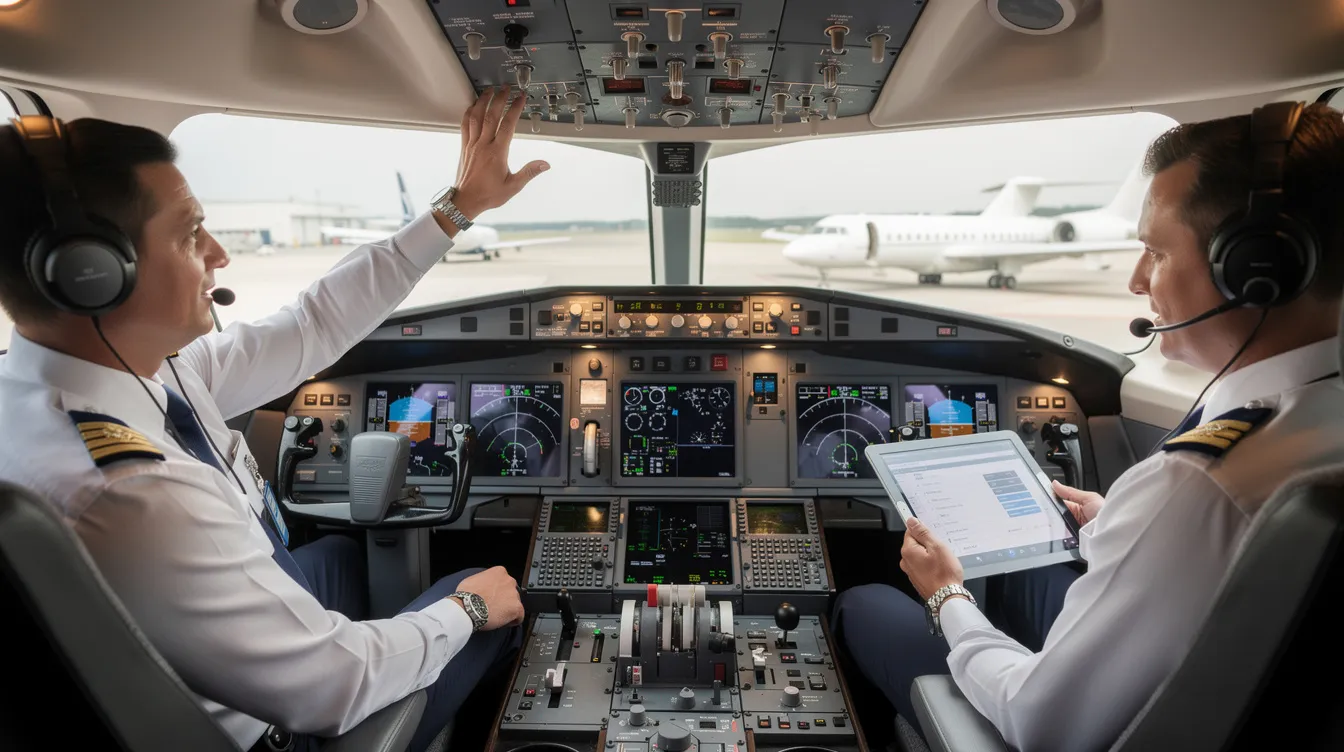
BlackJet’s partner operators maintain ARG/US Platinum or Wyvern Wingman certification, with dual-qualified crews, standardized SMS programs, and turbine reliability (99.99% dispatch rates). Consider the contrast: a weekend hobby pilot checking their own ultralight in a rural hangar versus a traveler choosing from the best small private aircraft for every need, or a BlackJet client boarding a crew-checked long-range private jet optimized for global travel, or other large-cabin private jets built for intercontinental missions with full dispatch support and real-time weather monitoring.
Owning an Ultralight vs. Using a Jet Card: Which Fits Your Travel Needs?
Ultralight ownership is fundamentally a hobby. Jet Cards are strategic travel tools, and for some travelers, the cheapest private jet options combined with Jet Cards can serve as an efficient stepping stone into private aviation. Many BlackJet clients actually enjoy both weekend ultralight flying plus business and long-haul travel by private jet.
Ultralight ownership strengths:
Low acquisition cost ($5,000–$20,000 for Part 103 models)
Hands-on mechanical involvement and community
Short local flights from grass strips in good weather
Operating costs of $20–$50/hour all-in
BlackJet Jet Card advantages: (and how the best Jet Card programs for frequent flyers structure availability, pricing, and flexibility)
Prepaid 25- or 50-hour blocks across light, mid, and large cabin classes
Predictable hourly rates with no ownership risk
Point-to-point flying (New York to Miami, Los Angeles to Aspen, London to Geneva)
24/7 digital booking with real-time support
Real-world scenario: Flying a 60 mph ultralight from Orlando to Atlanta would require 7–8 hours, four or more fuel stops, and overnight exposure to weather risks. A BlackJet mid-size jet covers the same route in approximately 1.2 hours gate-to-gate, with WiFi and a quiet cabin for productive work.
On sustainability: ultralights burn 2–4 gallons per hour but lack structured carbon accounting. BlackJet flights are carbon-neutral by default, with verified offsets through Gold Standard reforestation programs, and leading private jet companies for luxury travel and service are increasingly emphasizing similar ESG and safety commitments while travelers look for strategies to fly private more affordably.
Decision guidelines:
Choose ultralight for low-altitude, local, hands-on flying freedom
Choose BlackJet for time-critical travel where safety, speed, and comfort matter
How to Evaluate an Ultralight Airplane Listing
Online listings vary widely in quality. Use this checklist to avoid expensive mistakes:
Verify factory-built vs. amateur-built status
Request build logs and documentation
Inspect welds via dye penetrant testing
Check fabric tautness (20–25 lbs pressure for Poly-Fiber or Ceconite)
Document engine type and hours (Rotax 503 under 300 SMOH is ideal)
Request compression test results (>100/120 psi for 2-strokes)
Inspect the propeller for nicks and balance issues
Part 103 aircraft have no N-number; experimentals require 337 forms
Verify current registration and operating limitations for LSA
Arrange inspection by a qualified ultralight specialist ($500–$1,500)
A test flight by an experienced pilot is legal
Budget for transport to home field ($500–$2,000)
By contrast, accessing aircraft via BlackJet requires none of this due diligence—clients assess only program terms, safety credentials, and service quality, much like travelers weighing whether to own a $5 million private jet and its features or comparing NetJets jet card costs and program structures to other private aviation options.
BlackJet: When Private Jet Access Outperforms Any Ultralight Purchase
Private jet access isn’t merely a luxury indulgence—it’s a powerful tool for executives and high-net-worth individuals who routinely move between financial centers, resort destinations, or family homes across the world.
For travelers focused more on cabin experience and range than on hands-on flying, the spectrum of the world's top private jets, combining luxury and performance, highlights what’s possible at the upper end of the market, including the most expensive private jet options for ultra-luxury travel.
BlackJet Jet Card model:
Prepaid 25-hour and 50-hour blocks
Fixed hourly rates across light, mid, and large cabin classes
No aircraft acquisition or ownership burden
Seamless digital booking through a 24/7 platform
Safety and certification: BlackJet partners with operators that meet or exceed FAA Part 135 standards, featuring third-party safety audits, modern fleets averaging under 10 years old, and two-pilot crews with a minimum of 1,500 hours.
Sustainability commitment: Every BlackJet flight is carbon-neutral by default, with certified offsets and a preference for newer, fuel-efficient aircraft—a structured, measurable approach that ultralight ownership cannot match, even when arranging private jets suitable for 20 passengers or large-group charters for up to 50 travelers.
Comparison example: An executive needing 15–20 round-trip flights annually between New York, Chicago, Palm Beach, and Los Angeles gains vastly more utility from a BlackJet 25+ Hour Jet Card than from owning a single-seat ultralight that never leaves the local airfield, especially when you factor in private jets for sale under 10 million that balance cost and capability or the ability to purchase a private jet using cryptocurrency.
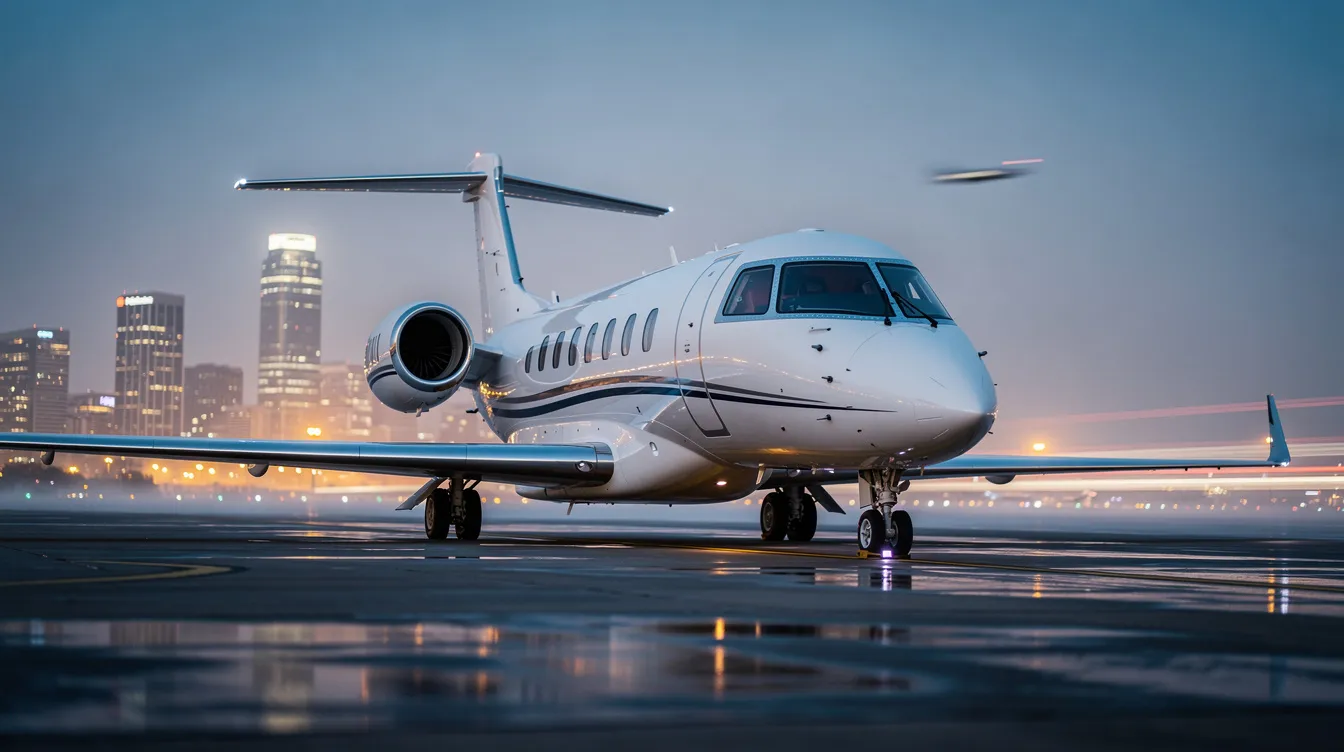
Elevate your travel—effortlessly. Explore BlackJet’s Jet Card programs and discover how refined, meaningful travel becomes your new standard.
FAQ: Ultralight Aircraft and Private Jet Alternatives
Can I legally fly an ultralight without any training at all?
Under FAA Part 103, there’s no formal license requirement. However, lack of mandated training doesn’t mean self-teaching is safe. Reputable schools in 2026 recommend at least 10–20 hours of dual instruction with an ultralight or sport pilot CFI. Many ultralight instructors also have experience as glider pilots, which can provide valuable insights for students. Students who complete structured lessons reduce their risk of accidents by approximately 70% compared to those who learn without professional guidance.
How far can a typical ultralight fly compared to a private jet?
Most Part 103 ultralights have practical ranges of 60–120 miles on their 5-gallon fuel capacity at 45–60 mph—ideal for local flights only. A typical BlackJet mid-size jet covers 1,800–2,500 nautical miles nonstop (New York to Dallas, Los Angeles to Chicago) at around 450–500 knots and cruises far higher than commercial airliners for smoother flights, offering performance and comfort comparable in many ways to a $15 million private jet’s capabilities and amenities or other 10 million dollar private jet options aimed at luxury travelers, and completing in hours what would take an ultralight days.
Is buying a cheap used ultralight for $5,000 really economical?
A low purchase price can be misleading. Buyers often have to guess at the total investment required, as hidden or unexpected costs—such as engine overhauls ($1,500–$3,000), fabric recovery ($2,000–$4,000), instruments, and transport—can double the overall expense. Those prioritizing reliable travel might allocate those funds toward more cost-effective private aircraft options, step up to 20-million-dollar private jets with advanced range and cabin features, opt for 16-seat private jet configurations for larger groups, or choose a Jet Card, leaving mechanical risk to professional operators.
Can I use an ultralight for business trips or commuting between cities?
True ultralights are generally unsuitable for business travel due to weather sensitivity, low speed, limited range, and regulatory constraints. While ongoing development in ultralight aircraft design continues to improve their capabilities, these aircraft still do not meet the requirements for business travel. BlackJet supports same-day multi-city itineraries with WiFi and quiet cabins for productive work, and travelers can even buy a single seat on a private jet for specific routes or reserve private jets configured for 15 passengers for team travel—a complete contrast to the VFR-only, fair-weather limitations of recreational flying.
If I already own an ultralight, does a Jet Card still make sense?
Many enthusiasts enjoy ultralights for weekend adventures but rely on private jets for serious travel. BlackJet’s Jet Card complements personal aircraft ownership by handling longer, time-critical, or international trips where safety, speed, and comfort are paramount—allowing your ultralight to remain a pure hobby machine. Both jet cards and ultralight ownership reflect broader industry trends and standards, offering solutions that align with evolving market expectations and industry norms.
Conclusion and Next Steps
Choosing the right aircraft is about matching your flying dreams to your real-world needs, budget, and lifestyle. Ultralight aircraft offer unmatched accessibility and the pure joy of flight for recreational pilots who value simplicity, affordability, and hands-on adventure. For those seeking more range, comfort, and versatility, Light Sport Aircraft provide a compelling upgrade—delivering higher performance and the ability to share the skies with others.
However, if your travel goals extend beyond local airfields—requiring speed, safety, and seamless support across regions or continents—a Jet Card program like BlackJet may be the ultimate solution. BlackJet offers prepaid access to a world-class fleet of private jets across multiple cabin classes, with 24/7 digital booking tools and real-time flight support. Their carbon-neutral flights combine luxury, convenience, and sustainability, allowing you to enjoy the freedom of private aviation without the complexities of ownership or maintenance.
No matter where you are on your flying journey, the next step is clear: assess your specific requirements, set your budget, and decide what kind of adventure you want to pursue. Whether you’re ready to take lessons in an ultralight, invest in a high-performance LSA, acquire a premium UK-based private jet for personal or corporate use, or elevate your travel with BlackJet’s Jet Card programs, the sky is truly the limit. Reach out to local flight schools, connect with experienced owners, or contact BlackJet’s support team to explore your options. Your dream of flight—whether for fun, learning, or business—starts with making the right choice for your needs, comfort, and future adventures.


 Sign up with google
 Sign up with Apple