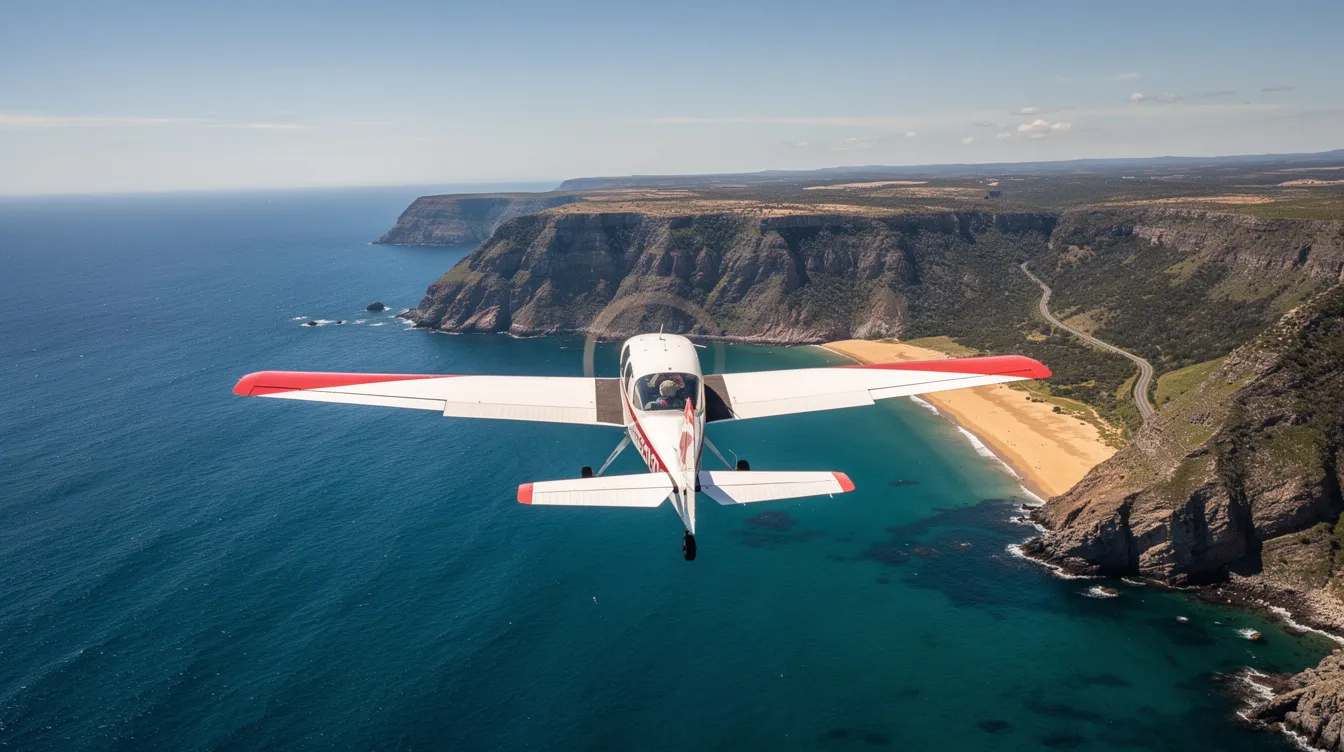
Imagine bypassing the security lines, connection delays, and rigid schedules of commercial aviation entirely. For regional trips under 800–1,000 miles, a growing number of ambitious travelers are doing exactly that from the left seat of a light sport aircraft.
Why Light Sport Aircraft Matter for Ambitious Travelers
Consider a Friday afternoon escape from New York to Nantucket. On a commercial airline, you face a multi-leg route through Boston or a seasonal connection, ground transport on both ends, security, and boarding—easily four to six hours door-to-door. For those who ultimately choose to own rather than rent, exploring premium private jets for sale in markets like the UK becomes part of a broader long-term aviation strategy.
In a light sport aircraft, you depart from a nearby airfield, cruise at 110 knots over Long Island Sound, and land on Nantucket roughly one hour later. The same calculus applies to Los Angeles–to–Lake Tahoe weekends or Dallas–to–Austin day trips.
Light Sport Aircraft are small, lightweight aircraft designed for accessibility and affordability. They make personal aviation achievable without the commitments of traditional general aviation ownership. LSAs are designed primarily for recreational flying and flight training—and they do both remarkably well.
At BlackJet, we operate at the premier end of private aviation through Jet Card programs and charter. Yet many of our members began their journey in the air as sport pilots, flying LSAs on weekends before transitioning to turboprops and jets as their schedules and travel demands grew.
This article walks you through LSA definitions, pilot certificate and training requirements, aircraft options—including kit-built models—and how LSAs fit into a long-term private aviation strategy, including where the best jet cards for frequent flyers complement or replace owner-flown missions as your travel profile evolves.
Definition of a Light Sport Aircraft (LSA)
FAA Performance and Configuration Limits
Under current FAA rules, a light sport aircraft is defined by a clear set of performance and configuration limits. LSAs fill the gap between ultralight aircraft and complex airplanes, giving pilots a capable yet regulation-streamlined powered aircraft category.
Key U.S. FAA limits for the LSA category include:
Maximum gross takeoff weight of 1,320 lb (a maximum gross weight of 600 kg) for landplanes; 1,430 lb (650 kg) for seaplanes
Maximum level flight speed (Vh) of 120 knots calibrated airspeed
Maximum stalling speed (VS1) of 45 knots CAS in clean configuration
Maximum of two occupants—one pilot and one passenger
Fixed (or ground-adjustable) propeller with a single reciprocating engine (non-turbine)
Fixed landing gear (except for seaplanes and gliders, which may have repositionable landing gear)
Unpressurized cabin
Types of LSAs
LSAs include several aircraft types: airplanes, gliders, powered parachutes, gyroplanes, weight shift control trikes, and lighter-than-air craft. For most readers, fixed-wing airplanes are the most applicable of these forms.
Certification Paths
The FAA recognizes two primary certification paths:
Special LSA (S-LSA): Factory-built to ASTM consensus standards, with defined maintenance programs and manufacturer support.
Experimental LSA (E-LSA): Kit-built or owner-assembled, offering lower price points but shifting more maintenance responsibility to the owner. LSAs can be modified to experimental versions easily, giving owners flexibility as their needs evolve.
Some legacy certificated airplanes—early Piper Cubs, Aeronca Champs—meet LSA performance limits even though they predate the category, because FAA definitions also account for aircraft intended for specific uses and whether they are intended for particular operations. A sport pilot can still legally fly them.
Light Sport Aircraft Regulations in the United States and Abroad
United States
The FAA adopted ASTM consensus standards for the LSA category in 2004, accepting certificated, experimental aircraft, and kit-built airplanes into the operating framework, just as modern certification regimes govern the top 10 private jets in the world flying at the pinnacle of business aviation.
The FAA's MOSAIC rule (Modernization of Special Airworthiness Certification) modernizes certification and expands the LSA criteria. MOSAIC regulations entered the Federal Register on July 22, 2025, with final MOSAIC rules effective on October 22, 2025.
Under MOSAIC, stall speed limits will change to 61 knots, and MOSAIC will allow larger LSAs with up to four seats—a dramatic expansion. MOSAIC regulations may expand LSA categories to four seats in applicable configurations.
The FAA is considering electric rotorcraft for the LSA category, signaling a future where electric and hybrid powerplant options reshape light sport aviation, paralleling how the newest private jets push boundaries in efficiency, range, and onboard technology.
International Comparisons
In Europe, EASA regulates light sport aeroplanes under CS-LSA with similar weight limits (~600 kg for landplanes). Many states require permits to fly or Certificates of Airworthiness under the ELA process.
U.S. ultralights under FAR Part 103 differ markedly from LSAs: single-seat, very lightweight (empty weight below ~254 lb), slower speed caps (~55 knots), and no pilot certificate or medical required. LSAs exceed those limits and require at least a sport pilot certificate, while some travelers bypass ownership entirely and explore private plane rideshare options for flexible access.
Japan requires permission for test flights of LSAs, reflecting a more restrictive approach to light sport operations, much as regulatory and cost considerations shape decisions around 12-seater private jet ownership and charter.
Several authorities—EASA, CASA in Australia, Transport Canada—are monitoring U.S. MOSAIC changes and may adjust their own microlight or light sport categories in response, especially as electric propulsion matures, just as regulators oversee private jets configured for around 30 passengers in the large-group charter space.
Sport Pilot: Licenses, Training Requirements, and Privileges
The sport pilot certificate, introduced by the FAA in 2004 alongside the LSA category, is the most streamlined path into powered flight for many U.S. pilots. It sits between ultralight operations (no certificate required) and the private pilot license, offering meaningful privileges with reduced training hours and simpler medical requirements.
Core Privileges of the Sport Pilot Certificate
Fly any qualifying light sport aircraft with up to one passenger
Non-commercial purposes only, within U.S. airspace
Primarily daytime VFR conditions (unless endorsed for additional operation)
Many BlackJet members first earned a sport pilot certificate for weekend flying, then upgraded to private or instrument ratings as their travel needs increased. The sport pilot path is not a dead end—it is a foundation, and an eventual upgrade to a private pilot license or broader ratings is a common next step.
Sport Pilot Flight Training Requirements
LSAs in the US require a sport pilot certificate to operate.
A sport pilot certificate requires a minimum of 20 flight hours total:
15 hours of dual flight instruction
5 hours solo
At least 2 hours of cross-country flight training
10 takeoffs and landings to a full stop
Compare this to the 40-hour minimum for a private pilot license (which in practice averages 60–75 hours).
Training flows through ground school (air law, weather, navigation), dual instruction in a light sport aircraft, supervised solo flights, and FAA knowledge and practical tests.
Sport pilot certificates are issued without category and class printed on the certificate. Instead, sport pilots must log endorsements for category and class ratings in their logbooks, identifying the make and model they are qualified to operate.
Reputable flight schools use modern LSAs equipped with glass cockpits—models like the Evektor Harmony or Flight Design CTLS—aligning students with the avionics they will encounter in larger aircraft and business jets.
Expect the training exercise to serve as a foundational experience: sport pilot graduates become more informed private jet users and safer decision-makers when evaluating weather, routes, and aircraft performance later on, and are better equipped to compare top private jet companies and their service models.
Medical and Operational Limitations for Sport Pilots
LSAs do not require a formal FAA medical certificate for pilots under certain conditions.
A valid U.S. driver's license is required for sport pilots without a medical, provided they have never had an FAA medical denied or revoked.
LSAs can be flown without a third-class medical certificate—a significant accessibility advantage.
Sport pilots cannot operate aircraft above 10,000 feet MSL (or 2,000 feet AGL over higher terrain) without endorsements.
Sport pilots may only fly during daylight hours unless endorsed for night operation.
Night flying and operation in Class B, C, or D airspace require additional training and instructor sign-off.
Sport pilots may not act as pilot in command for compensation or hire, nor serve as required crew on commercial operations—a clear distinction from commercial or ATP privileges used in business aviation, where travelers can instead buy a seat on a private jet through shared and semi-private services.
These operational limits keep low-time pilots out of the most complex airspace and weather scenarios, reinforcing safety and compliance as foundational principles.
For longer-range, all-weather, multi-passenger travel, turbine aircraft and premium private jet card programs, 100 hour jet card cost structures, and private jet card programs are the appropriate solution.
Flight Instructors, Maintenance, and Repairman Certificates in the LSA World
LSA regulations created new roles in the aviation ecosystem: sport pilot instructors and light sport repairmen, each designed to support a safe and affordable training and maintenance infrastructure.
Any certified flight instructor (CFI) with the appropriate category and class rating may provide instruction in LSAs, using them for both sport pilot and private pilot training. This means flight instruction is widely available at schools that operate LSAs.
Pilots may also become sport pilot instructors without holding full CFI privileges, after meeting experience, testing, and FAA approval requirements—helping to teach the next generation of sport pilots.
For S-LSA maintenance, owners can obtain an LSA repairman certificate with an inspection or maintenance rating after completing FAA-accepted training courses (typically 16–120 hours). This allows owners to perform annual condition inspections and certain maintenance tasks on their own aircraft, lowering costs while preserving regulatory oversight.
About 10,000 repairmen hold inspection ratings and approximately 1,500 hold maintenance ratings under the current framework, according to FAA regulatory analysis documents.
This hands-on, owner-driven maintenance culture contrasts sharply with the rigorous third-party audited environment of turbine aircraft operating under FAA Part 135—the standard BlackJet holds its partner operators to.
Types of Light Sport Aircraft: From Factory-Built to Kit-Built
The LSA segment is unusually diverse—ranging from simple trainers to high-performance cross-country machines and amphibious seaplanes. LSAs can be factory-built or assembled from kits, and LSAs include airplanes, rotorcraft, and powered parachutes under the broad category umbrella, much as the private jet world spans a full spectrum of jet sizes and classes.
Popular Factory-Built Models
Evektor Harmony – Czech-designed S-LSA, equipped with multiple Rotax engine options (912 ULS, 912iS, 914 Turbo). Useful load around 634 lb; range up to ~750 nm depending on the powerplant. LSAs often feature modern avionics and glass cockpits, and the Harmony exemplifies this trend.
Jabiru J-230D – Australian design with a proprietary engine, known for straightforward handling and solid cross-country performance.
Texas Aircraft Colt – U.S.-built airplane with a traditional yoke control layout, custom-designed for American flight school and owner-pilot markets, much as private jets for sale under 10 million dollars target buyers seeking an accessible first step into turbine ownership.
Seaplane and Amphibious LSAs
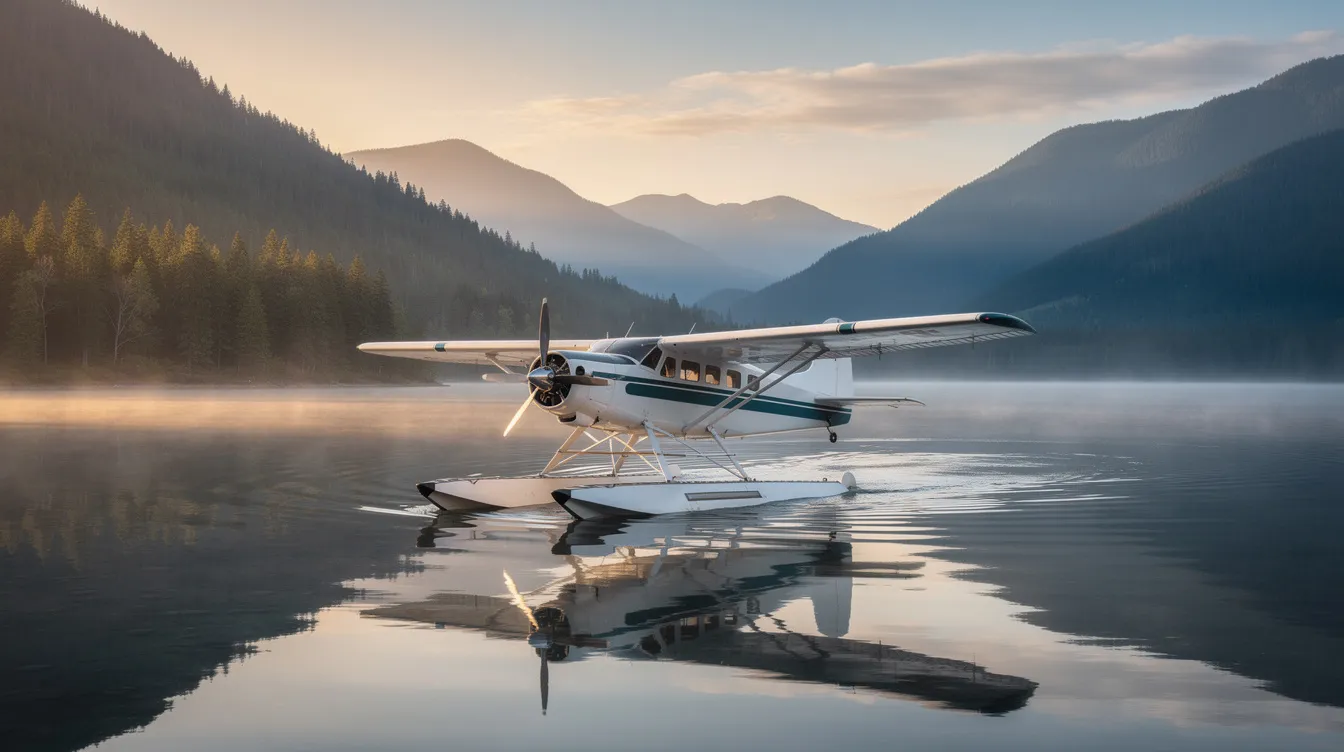
Seaplane LSAs can have 110 pounds more gross weight than their land counterparts. Examples include the Vickers Wave (New Zealand amphibious) and Scoda Aeronautica Super Petrel XP (Brazilian biwing seaplane with Rotax 915iS). As missions expand beyond what these airframes can support, many pilots evaluate the cheapest private jet options or broader private jets for sale under 10 million as a complement for longer, weather-tolerant trips.
STOL and Backcountry LSAs
The Zlin Norden (Cub-like STOL performance) and The Airplane Factory Sling HW (MOSAIC-ready, composite high-wing plane proven on global flights) appeal to pilots seeking capable backcountry access, while ultra-long missions increasingly fall to long-range private jets designed for nonstop travel.
Kit Built and Experimental Models
Kit built LSAs like the Lockwood AirCam (twin-engine, slow-flight exploration platform) and CGS Aviation Hawk give builders intimate knowledge of their airframe and systems. More affordable options—the Aerotrek A240, Orlican M-8 Eagle, and Merlin Lite (a Part 103 ultralight aircraft)—serve cost-conscious pilots seeking entry into aviation before considering larger aircraft or different types of private jets for broader missions.
Factory-Built vs Kit-Built LSA Choices
Factory-built S-LSA aircraft:
Offer standardized quality control, defined maintenance programs, manufacturer warranty support, and simpler paths for flight schools and rental operations.
Align better with expectations for turn-key operation and support, especially for time-constrained executives or those planning to step into turbine aircraft or private jets.
Kit built and E-LSA options:
Enthusiasts who enjoy the build process itself may later gravitate toward highly customized turbine aircraft similar in spirit to the most expensive private jet options.
Carry lower purchase prices and allow deep builder involvement with tailored avionics and interiors.
Require greater responsibility for construction quality, documentation, and compliance.
Suit technically inclined owners seeking a long-term hobby.
Additional considerations:
For travelers regularly moving larger groups, understanding private jets suited for 15 passengers helps clarify when transitioning beyond two-seat LSAs becomes operationally necessary.
Experimental aircraft face limits on use for compensated instruction or rental, which is why many professional training organizations favor S-LSA categories.
Before committing to any LSA purchase, invest in a professional prebuy inspection and consult maintenance experts—echoing BlackJet's emphasis on independent safety assessments and third-party audits across its own network.
Learning to Fly Light Sport Aircraft vs Other Paths
Learning to fly an LSA as a sport pilot offers a faster, more affordable entry into aviation compared to pursuing a full private pilot license—an important distinction for adult learners balancing busy schedules with the aspiration to fly.
Cost: Typical sport pilot training in the U.S. runs approximately $5,000–$7,500 for the complete course, while private pilot training often totals $12,000–$20,000 depending on location and pace. LSAs are generally more affordable than traditional aircraft in both rental and ownership contexts, much as comparing Flexjet jet card costs with other membership models helps optimize your spend in the private jet world.
Practical considerations: Fewer LSAs are available for rent at traditional flight schools; payload and range are limited by lighter aircraft weight; crosswind sensitivity is higher. Ambitious travelers may eventually compare these limits with affordable private planes or 10 million dollar private jet options that offer greater speed, comfort, and payload. You operate only in favorable daytime weather.
Training advantages: LSAs typically have lower operating costs than conventional aircraft, with fuel burn commonly around 4–6 gallons per hour of unleaded avgas or mogas. Modern LSA trainers feature glass cockpits comparable to the G1000/GTN series found in larger airplanes, helping pilots appreciate how private jets fly higher than commercial airliners to maximize efficiency and comfort.
Scenario: A prospective BlackJet member based in Dallas completes sport pilot training in a model like the Sting S4, uses the LSA for nearby personal flights across Texas, and relies on a BlackJet 25-hour Jet Card for business trips to New York, San Francisco, or London, where jets are simply more practical.
LSAs serve as a gateway: for some, the fun of weekend flying is the lifelong destination. For others, it is a stepping stone to instrument ratings, multi-engine aircraft, and ultimately leveraging small private aircraft and other private jet solutions for time-critical travel across the country or around the world.
Sport Pilots, Safety, and Technology
While LSAs are simpler aircraft, safe operation demands disciplined training, recurrent practice, and strict respect for weather and weight-and-balance limitations. Every exercise in flight planning builds judgment.
Safety-enhancing technologies are increasingly standard in modern LSAs: whole-aircraft ballistic parachute systems, angle-of-attack indicators, ADS-B In/Out for traffic and weather awareness, and digital autopilots capable of holding altitude and heading.
The safety culture differs between LSA and business aviation. LSA operations rely heavily on the pilot's individual decision-making, whereas BlackJet's jet operations add multiple layers of protection—Part 135 oversight, dual-crew requirements on many aircraft, and independent safety ratings like ARGUS or Wyvern—whether you are chartering large private jets for 20 passengers, long-range private jets for intercontinental routes, or VIP configurations for up to 50 passengers. Learn more about how green private jet operations integrate sustainability with safety.
Pilots who train in LSAs gain a deeper appreciation for weather theory, fuel management, and risk assessment—skills that later help them ask sharper questions and make wiser choices when booking private jets.
From Light Sport to Private Jets: How LSAs Fit Into the BlackJet Journey
The progression is natural. An aviation enthusiast starts as a sport pilot, flying a light sport aircraft on clear Saturday mornings. Years later, that same pilot is a high-net-worth executive whose calendar is packed and whose destinations span multiple time zones. The LSA stays in the hangar for weekend joy; the jet card handles everything else.
The mission profiles are complementary, not competing:
LSAs excel at short, scenic, low-altitude flights under 300–400 nautical miles with one passenger, at cruise speeds of 100–120 knots, with hourly fuel costs under $50, while some travelers eventually graduate to budget-friendly private aircraft to extend range and capability once they understand private jet sizes and categories.
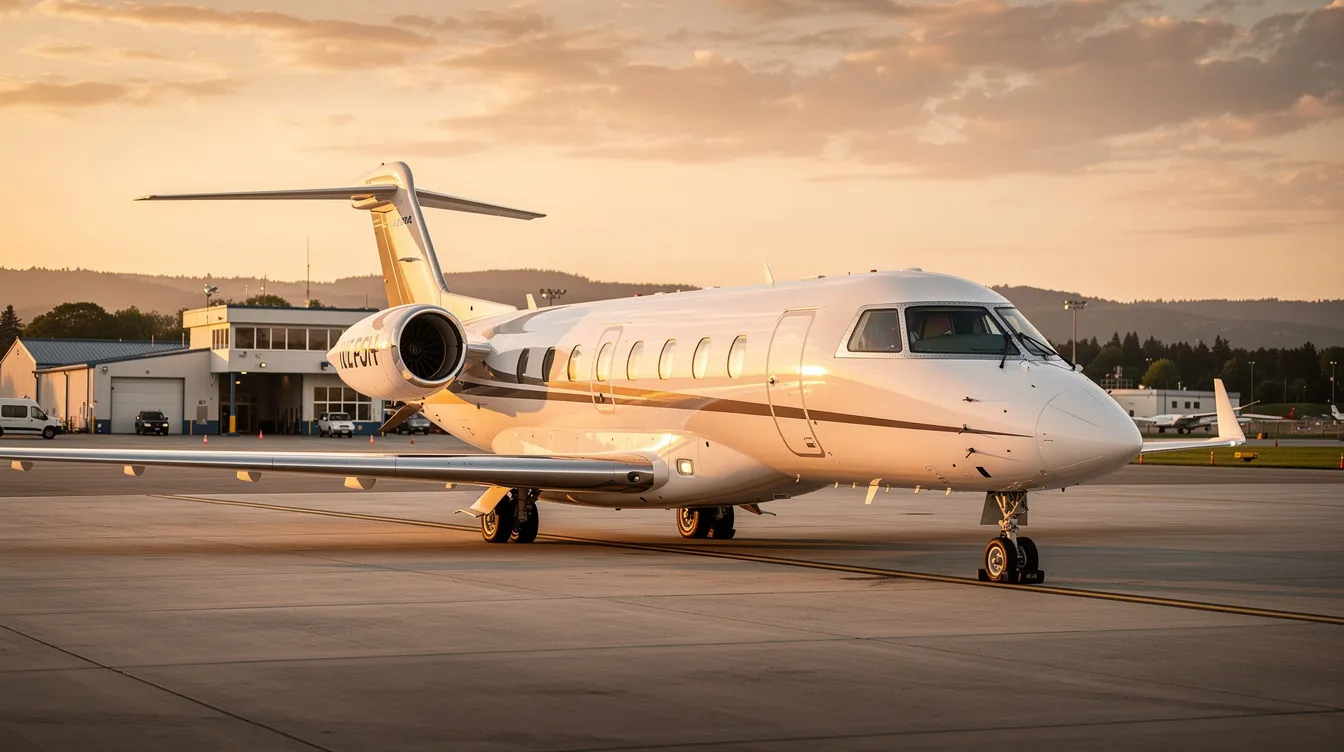
Private jets excel at multi-passenger, all-weather travel across continents at 400+ knots, with onboard workspaces, connectivity, and cabin class options from light to ultra-long range, especially when leveraging small private jets for flexible luxury travel.
BlackJet's Jet Card programs—available in 25-hour and 50-hour tiers—complement LSA ownership perfectly, and a solid grasp of jet card pricing structures makes it easier to align membership with your actual flying patterns. Members continue flying themselves locally while delegating complex missions (New York to London, Los Angeles to Miami) to professional crews and turbine equipment. BlackJet's pillars resonate with LSA-trained pilots: rigorous safety certification, carbon-neutral flights through automatic offsetting, and a technology-driven 24/7 booking platform that mirrors the avionics sophistication they have come to expect.
Consider a real scenario: a member keeps a kit-built backcountry LSA at a private strip in Montana for weekend exploration, but uses a BlackJet 25+ Hour Jet Card to reach Chicago, New York, or Europe on tight business timelines where a light sport aircraft is simply not viable.
Choosing Your Next Step: LSA, Turboprop, or Jet Card
If your primary goal is hands-on flying and weekend freedom, a light sport aircraft and sport pilot certificate is the best immediate step, whereas those prioritizing access without ownership may evaluate leasing a private jet instead.
If your core priority is maximizing productive time and minimizing travel friction across multiple cities or the world, you are better served by professionally flown turboprops and jets via charter or jet card programs with transparent pricing, choosing among the main types of private jets that align with your typical passenger load and stage length.
These choices coexist: LSAs for local autonomy and the pure fun of flying; jets for strategic business travel and high-end leisure trips with family or colleagues.
Think long-term: sport pilot today, private pilot and instrument rating in three to five years, and parallel adoption of private jet solutions—including potentially unlimited private jet flight memberships or access to the largest private jets for sale—that free you from airlines on high-value routes.
Light Sport Aircraft vs Other Aircraft Categories: At a Glance
Feature | Light Sport Aircraft (LSA) | Ultralight Aircraft (FAR Part 103) | Private Pilot Aircraft | Private Jets |
|---|
Maximum Gross Weight | 1,320 lb (600 kg) landplanes; 1,430 lb (650 kg) seaplanes | Less than 254 lb (powered) or 155 lb (unpowered) | Varies, typically above 1,500 lb | Varies widely, typically 10,000+ lb |
Maximum Stall Speed | 45 knots CAS | 24 knots CAS | Higher, varies by aircraft | Higher, varies by aircraft |
Maximum Speed | 120 knots calibrated airspeed | 55 knots calibrated airspeed | Varies, often 100+ knots | 400+ knots |
Occupants | Maximum 2 (pilot + passenger) | Single occupant only | Typically 1-4+ | Multiple passengers (6-20+) |
Certification Required | Sport pilot certificate minimum | No pilot certificate required | Private pilot license | Commercial pilot and ATP licenses required |
Medical Certificate Required | Not required if using sport pilot privileges | Not required | Required | Required |
Flight Rules | Day VFR primarily; endorsements for night, airspace | Day VFR only | Day and night VFR/IFR | All weather, IFR |
Typical Use | Recreational flying, flight training | Recreational ultralight flying | Personal and business flying | Business, luxury, long-distance travel |
Typical Cost | $30,000 to $200,000+ | Under $20,000 | $100,000+ for aircraft | $3 million+ for jets |
FAQ: Light Sport Aircraft, Sport Pilots, and Private Jet Access
What is the difference between a sport pilot and a private pilot?\
A sport pilot certificate requires a minimum of 20 flight hours and allows you to fly LSAs with one passenger in daytime VFR. A private pilot license requires at least 40 hours, permits night flying, more complex aircraft, and broader airspace access. The sport pilot path is faster and less expensive.
Can I fly internationally in a light sport aircraft?\
Technically, some cross-border flights are possible (e.g., the U.S. to Canada or the Bahamas), but international LSA regulations vary significantly. For reliable international travel, a private jet or turboprop is far more practical.
How much does it cost to buy and operate an LSA?\
Purchase prices range from roughly $30,000 (used) to $200,000+ (new, fully equipped). Variable operating costs average around $38 per flight hour for fuel and oil, with annual fixed costs (hangar, insurance, maintenance) of $5,500–$12,000.
Can I use an LSA for business travel?\
Yes, for personal business trips with one passenger on shorter routes. But LSAs cannot carry paying passengers or operate commercially. For multi-city business travel, understanding the private jet price landscape helps you evaluate whether a jet card membership is an efficient solution.
If I already fly a light sport aircraft, why would I need a private jet card?\
LSAs are limited in range, speed, passenger count, and weather capability. When your trip demands all-weather reliability, multiple passengers, or distances beyond 500 miles, a jet card provides seamless access without ownership burdens.
Are BlackJet flights carbon neutral?\
Yes. Every BlackJet flight includes automatic carbon offsetting at no additional cost, ensuring your air travel aligns with sustainability commitments.
What is the difference between an LSA and an ultralight aircraft?\
An ultralight aircraft under FAR Part 103 is single-seat, very light, slower, and requires no pilot certificate or medical. An LSA can carry a passenger, flies faster, and requires at least a sport pilot certificate.
Conclusion: Elevate Your Personal Aviation Strategy
Light sport aircraft provide a regulation-defined, remarkably accessible gateway into personal flying—whether through factory-built trainers, amphibious seaplanes, or kit-built backcountry machines. They offer unmatched intimacy with the sky, but they are optimized for specific missions, weather windows, and distances.
When your ambitions outpace what a two-seat, VFR airplane can deliver—when you need all-weather reliability across multiple cities, continents, and cabin classes—BlackJet's private jet access model picks up precisely where LSAs leave off. Safety certification, carbon-neutral operations, and on-demand digital booking are not aspirational features; they are standard.
View your LSA as a foundation. View BlackJet as the strategic layer that unlocks global mobility.
Explore BlackJet Jet Card membership and discover how private jet access integrates with your personal flying journey—extending your light sport freedom across continents.


 Sign up with google
 Sign up with Apple