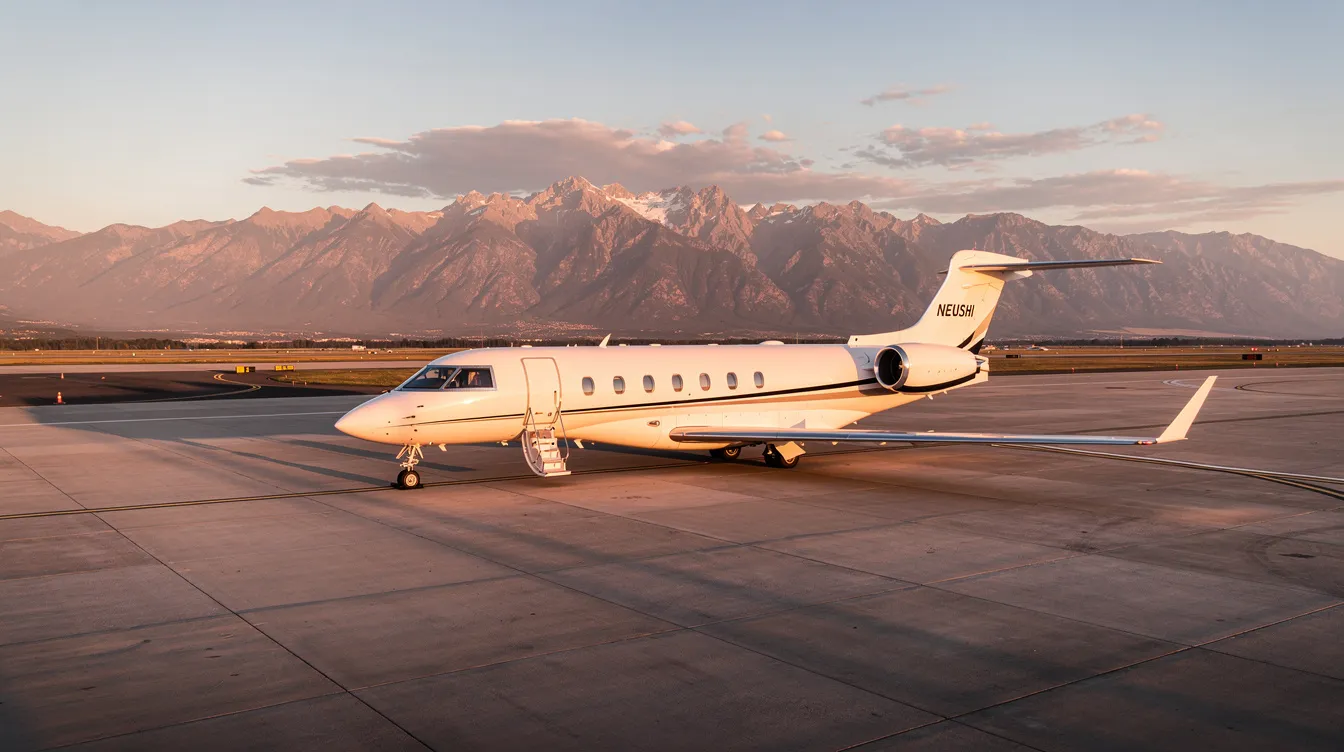
In today's fast-paced world, private jet access transcends mere luxury—it is a strategic advantage for high-net-worth individuals, corporate leaders, and discerning travelers who demand efficiency, privacy, and customization. Compared to commercial aviation, private jets save hours by eliminating long security lines, delays, and rigid schedules, enabling seamless door-to-door travel tailored to your unique itinerary.
Selling an aircraft—whether a 1985 Cessna 182 or a 2015 Gulfstream G450—requires far more than placing a classified ad. The 2026 market demands precision in valuation, documentation, and buyer qualification. This guide is designed to help you understand the steps involved in selling a plane while exploring when Jet Card access might outperform continued ownership.
Key Takeaways
Selling an airplane involves a multi-stage process that includes meticulous documentation, market valuation, buyer screening, and formal FAA filing—small mistakes on a $300,000 piston or $10M jet prove costly.
BlackJet operates as a private aviation company offering Jet Card programs, not a public listing marketplace, but we help owners transition from aircraft ownership into flexible, on-demand access.
Three pillars define successful aircraft sales in 2026: accurate valuation using current comparables, professional presentation with complete logbooks, and rigorous safety documentation that satisfies sophisticated buyers and their lenders.
Different categories—piston aircraft, turboprops, and jets—follow the same sales logic but carry different buyer expectations, from basic pre-buy inspections on pistons to $50,000+ phase inspections on large-cabin jets, making it essential to understand the best small private aircraft for every need before choosing what to sell or buy next.
For many owners, Jet Card programs offer a compelling alternative to the cycle of buying, maintaining, and later needing to sell a plane.
Why Selling a Plane Is a Strategic Decision, Not Just a Transaction
Selling a 2002 Beechcraft Baron 58 or a 2010 Citation CJ3 shares little in common with selling a luxury car. Aircraft transactions require complete logbooks spanning decades, verified maintenance history, professional pre-buy inspections, lien searches through the FAA registry, and—for international buyers—export certificates of airworthiness.
The stakes demand attention. Entry-level piston aircraft for sale commonly run $150,000–$300,000 in 2026, while midsize jets exceed $8M, and many 10-million-dollar private jet options for luxury travelers sit at the point where buyers are weighing ownership against alternative access models. A 10% pricing error or documentation gap translates to tens of thousands in lost value or months of extended time-on-market.
Many BlackJet Jet Card members are former aircraft owners who discovered that managing resale, insurance, crews, and maintenance reserves consumed more resources than accessing a curated fleet through a card model. This guide covers the complete sale process—valuation through closing—then explores whether selling and moving to Jet Card access makes sense for your flying profile.
Read on for a detailed breakdown of the sale process.
Step 1: Decide If You Should Sell or Switch How You Access Private Aviation
Consider an executive who bought a 2008 King Air B200 in 2018, now flying under 100 hours annually post-2020. The question isn’t just whether to sell—it’s whether ownership still serves the mission.
Concrete triggers to evaluate:
Annual utilization below 150–200 hours
Major inspection costs approaching (e.g., $100,000 hot section)
Upcoming avionics mandates requiring $50,000+ upgrades
Lifestyle changes reducing travel frequency
A $2M turboprop typically costs $400,000–$600,000 annually (hangar, crew, insurance, reserves at $200/hour), while a 50-hour Jet Card cost structure delivers multi-category access at predictable rates. BlackJet advisors run sample itineraries—New York to Miami twenty times yearly, LA to Aspen seasonally—comparing ownership costs against different Jet Card solutions before owners commit to sell.
Step 2: Understand What Your Aircraft Is Really Worth Today
Aircraft values shifted dramatically from 2020 to 2024 as pandemic demand spiked and inventory tightened. By 2026, the market rebalanced, and aircraft buyers now demand stronger documentation before paying premium prices.
Valuation factors that move prices:
Factor | Impact on Value |
|---|
Logbook gaps | -5% to -15% |
Damage history (unrepaired 337s) | -$30,000 to -$100,000+ |
Engine program enrollment (MSP, JSSI) | +$200,000+ on jets |
Avionics upgrades (G1000 NXi, G5000) | +10-15% |
Hours to TBO | Varies by category |
A 1982 Cessna 182R with 5,000 airframe hours and mid-time engine appraises at $220,000–$280,000, while a 2014 Hawker 900XP with enrolled engines and fresh C-check commands $10.5–$11.5M per JetNet analytics, squarely within the range of many private jets for sale under 10 million that appeal to value-focused buyers. Owners benchmarking these numbers against a broader private jet price list and access options avoid unrealistic expectations. Listing 10–15% above market extends sell times to 180+ days in 2026’s selective environment.
Consult multiple data sources: Vref, Aircraft Bluebook, and professional appraisers. Even owners planning to switch to BlackJet Jet Card flying need defensible appraisals when negotiating with brokers.
Step 3: Prepare the Aircraft and Documentation Before You List
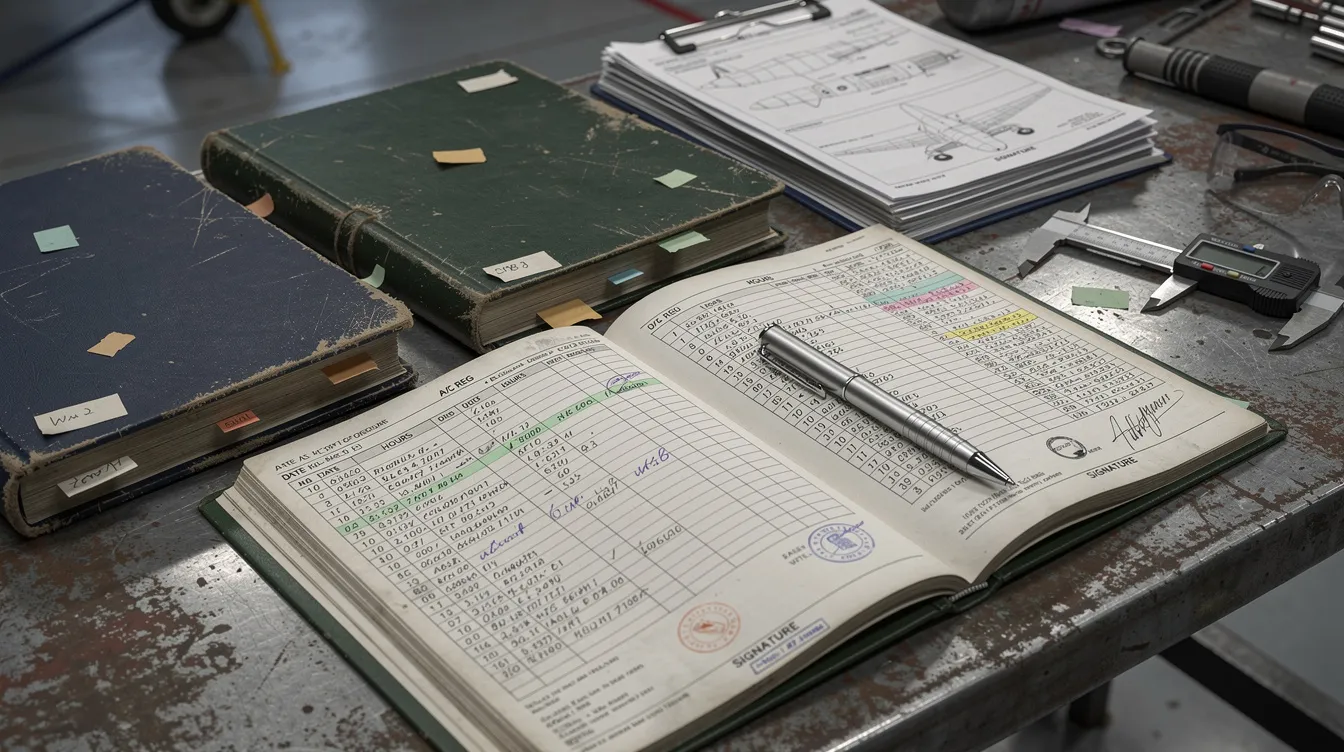
Serious buyers walk from well-priced aircraft when logbooks are incomplete. Complete and organized records are critical in establishing buyer confidence, and buyers will check for compliance with Airworthiness Directives (ADs) and Service Bulletins (SBs) before proceeding.
Documentation checklist:
Airframe, engine, and propeller logbooks (scanned chronologically from 1980s entries forward)
AD and SB compliance records
Weight and balance reports
STC paperwork for modifications
337 forms for major repairs
Equipment lists and avionics install records
List of included spare parts or components (such as extra aircraft parts, salvage parts, or replacement components)
Physical preparation matters equally. Professional detailing runs $2,000–$5,000 for pistons, $20,000+ for jets. For sellers considering stepping down into the cheapest private aircraft and other budget-friendly options, presenting a clean, well-maintained airframe is still critical to preserving resale value. Address squawks before listing—resolved issues don’t become pre-buy negotiation leverage. Ensure currency on all 2026-relevant inspections: annual, phase checks, ELT battery replacements, and pitot-static certifications.
Step 4: Choose How You Will Market and Represent the Aircraft
Selling solo versus working with a specialized broker depends on aircraft category and your bandwidth. Listing on specialized aviation platforms such as Trade-A-Plane or Controller can maximize visibility and attract serious buyers who understand the market.
Major listing platforms:
Controller.com provides access to thousands of aircraft for-sale listings, including new and pre-owned options across various categories such as jets, turboprop aircraft, and helicopters
AvBuyer.com features the latest aircraft for sale from around the world, covering all private aircraft types from single piston to large jets
Globalair.com offers a platform for browsing aircraft listings, allowing users to find various types of aircraft available for sale
Quality listings need 50+ high-resolution photos (exterior 360s, interior shots, panel close-ups), detailed spec sheets with times and maintenance status, and recent inspection highlights—especially when marketing the largest private jets for sale, where buyers expect exhaustive detail. Broker commissions run 3–5% for pistons, 5–8% for jets—but professional representation often shortens time-on-market and protects sellers from negotiation missteps.
Step 5: Managing Inquiries, Showings, Test Flights, and Pre-Buy Inspections
Qualify aircraft buyers early: request proof of funds, clarify the close timeline, and determine if they’re cash buyers or lender-backed. This protects both parties and filters serious inquiries from tire-kickers.
A pre-purchase inspection of the aircraft is recommended, which can range from a couple of hours to a full annual inspection by a qualified mechanic, and it gives buyers confidence comparable to the rigorous oversight that underpins how safe private jets are in practice. For jets like a 2012 Citation XLS+, phase inspections may run $50,000–$150,000 over 2–4 weeks at a buyer-nominated facility, costs that should be weighed against more affordable private jet options such as entry-level jets and turboprops if you plan to downsize post-sale.
Demonstration flight requirements:
Verify the buyer’s pilot certificate and insurance coverage
Execute the LOI before any test flights
Maintain appropriate hull coverage throughout
It is important to be aware of the federal regulations that apply to selling an aircraft, including procedures for selling to foreign nationals and N-number removal techniques. International sales require export certificates of airworthiness, de-registration, and potential customs considerations.
Step 6: Negotiating Price, Contract Terms, and Closing the Sale
Aircraft transactions are strictly regulated to ensure safety tracking and a clear chain of legal ownership. The typical flow: Letter of Intent → Purchase Agreement → Escrow Deposit (5–10%) → Pre-Buy → Closing, a sequence that professional brokers master early in their careers when learning how to become an airplane broker.
FAA Form 8050-2 must be completed in duplicate with original ink signatures, and the seller’s name must exactly match the name on the current registration. If someone else needs to sign on behalf of a person listed on the current registration, the FAA requires a document authorizing that individual to sign.
It is essential to perform a title search to ensure there are no undisclosed liens before completing the sale. Using an escrow service can secure the exchange of funds and title during an aircraft sale, protecting both parties from fraud—especially critical when wires run into the millions, particularly for ultra-high-end aircraft aligned with billionaire private jet price trends in 2026.
Common negotiation levers:
Pre-buy inspection findings
Time remaining for major overhauls
Pending avionics mandates
Current inventory levels for comparable aircraft

From Aircraft Owner to Jet Card Member: Life After the Sale
Picture an owner who sells a 2007 Pilatus PC-12 in late 2026, converting that equity into a BlackJet 50-hour Jet Card. For many, the first step is exploring a BlackJet 25+ Hour Jet Card program that can then scale with their usage. Suddenly, access spans light, midsize, and large jets without hangar fees, crew payroll, or future resale concerns.
Jet Card programs offer prepaid hours at fixed or capped rates, guaranteed availability within 24–48 hours, and multi-category flexibility. BlackJet’s pillars—safety through rigorous operator audits, sustainability via carbon-neutral flights by default, and technology enabling 24/7 digital booking—deliver ownership-level service without ownership-level burden.
Sample transition: San Francisco to Teterboro quarterly on super-midsize jets, plus Aspen and Palm Springs hops on light jets. One sold aircraft becomes diversified fleet access.
How Jet Cards Differ from Ownership and Charter
Jet Cards provide a seamless blend of convenience and predictability, but some former owners will still evaluate whether chartering a private jet is worth it for occasional or irregular missions. Unlike ownership, they eliminate responsibilities like maintenance reserves, insurance, and crew management. Compared to ad hoc charter, Jet Cards guarantee availability and pricing transparency, ensuring travelers can plan with confidence.
For example, a business executive flying from New York to London regularly can leverage a 25-hour Jet Card with transparent features and costs to access large-cabin jets with premier amenities, avoiding the unpredictability of commercial first-class or the overhead of ownership.
Sustainability in Private Aviation: The BlackJet Commitment
Sustainability is no longer optional. BlackJet ensures every journey is carbon neutral—at no extra cost to you—by partnering with operators who meet stringent environmental standards and offsetting emissions through verified programs. Newer access models like affordable private plane rideshare options also emphasize lower per-passenger emissions, as do some unlimited private jet flight membership programs that spread fixed emissions over frequent usage. Sellers preparing aircraft for sale should similarly adopt sustainable practices, including SAF compatibility and noise abatement.
Why Safety Protocols Matter in Aircraft Sales and Private Jet Access
Safety is paramount. Buyers expect full compliance with manufacturer maintenance programs, FAA airworthiness directives, and engine service plans. These expectations only intensify when you’re sourcing the best private jet for 20 passengers, evaluating charter plane costs for 100 passengers, or other large-group aircraft. BlackJet’s proprietary certification process audits operators rigorously, guaranteeing that every flight meets premier safety standards.
Choosing the Right Aircraft Category if You Plan to Re-Enter Ownership
Some sellers move into different aircraft types rather than exiting ownership entirely, often exploring the cheapest private jet and other entry-level aircraft options to reduce capital outlay and operating costs and reassessing the main types of private jets for every traveler before re-entering the market.
Category | Typical Range | Best For |
|---|
Piston aircraft | 500-900nm | Regional VFR/IFR, training, recreation |
Turboprops (King Air 350, PC-12) | 1,000-1,800nm | Short fields, corporate shuttles |
Light/midsize jets (Phenom 300E, Citation Latitude) | 1,800-2,700nm | Coast-to-coast, Europe’s regional routes |
Large-cabin jets (G500, Global 6000) | 4,000nm+ | Intercontinental, heavy utilization |
Safety, Sustainability, and Technology: Standards to Expect
Selling a plane means handing over a machine that continues flying for years. Sophisticated buyers scrutinize manufacturer maintenance program adherence, engine program enrollments (MSP, JSSI), and compliance with 2026 airworthiness directives.
Sustainability increasingly factors into transactions—SAF compatibility, noise certifications for Europe’s airports, and fuel efficiency metrics. BlackJet commits to carbon-neutral flights and partners with operators meeting strict safety and sustainability benchmarks, standards that sellers should emulate when maintaining aircraft pre-sale.
Technology expectations include modern connectivity (Wi-Fi, cabin management), updated GPS/nav equipment, and integration with digital flight-planning tools, features that many of the best Jet Cards for frequent flyers now guarantee as part of their standard cabin experience while helping members select the right private jet size for each journey.
Frequently Asked Questions About Selling a Plane
How long does it usually take to sell a piston aircraft or light jet in 2026?
For sellers transitioning to membership models, it’s also worth understanding Jet Card pricing structures and typical cost components before locking in post-sale travel plans.
Well-priced piston aircraft with complete documentation typically sell within 60–120 days. Owners stepping up from these segments often evolve from the best small private aircraft for every need into long-range private jets for sale as their missions extend transcontinentally. Light and midsize jets average 90–180 days, assuming clean title, thorough logs, and no major inspection surprises. Large-cabin jets may take 180–360 days, given lender scrutiny and smaller buyer pools.
Should I complete major maintenance before listing my aircraft for sale?
The decision depends on hours remaining to TBO and shop quotes, and for sellers of aircraft in the $10–$15M range, it must be balanced against how major inspections affect key features of a 15 million dollar private jet that buyers prioritize. If your engine sits under 300 hours to overhaul, performing the work may recoup $40,000–$60,000 net on a piston. Selling mid-time lets buyers choose their shop—consult an appraiser for specific number crunching before committing.
What fees should I expect when using an aircraft broker?
If you’re selling primarily for business reasons, consider how brokerage and closing costs interact with potential Jet Card tax deductions and write-off strategies once you switch to membership-based flying.
Broker commissions typically range from 3–8%, depending on aircraft category and value, and should be analyzed alongside private jet leasing costs and structures if you plan to shift from owning an asset outright to a longer-term access model. Complex international transactions or high-value jet sales may add legal and escrow fees beyond commission—budget 5–10% total transaction costs on jets above $5M.
How does BlackJet help former aircraft owners transition to Jet Card flying?
Former owners with high annual utilization may compare a 25-hour starter product with a more robust 100-hour Jet Card cost breakdown and use benchmarks from Jet Card cost per hour to align post-sale access with their typical mission profile.
BlackJet doesn’t operate as a listing website for aircraft for sale, but our advisors regularly help owners time their sale, estimate post-sale flight needs, and design 25-hour or 50-hour Jet Card solutions matching their typical routes, passenger loads, and cabin preferences, often benchmarking against the top private jets in the world to align cabin experience expectations. Thanks to this approach, owners convert single-aircraft equity into multi-category global access.
Can I keep flying my aircraft while it’s listed for sale?
Some owners temporarily supplement their flying by buying a seat on a private jet through shared or semi-private services or by selectively chartering a private jet when it’s worth it while their aircraft is on the market, sometimes even testing how offerings from top private jet companies for luxury travel compare with their eventual Jet Card choice.
Yes—sellers often continue flying during the listing period. Log meticulously, as hours affect valuation. Once serious buyers enter pre-buy, most sellers limit usage to avoid complicating negotiations or creating additional inspection findings.
Elevate your travel—effortlessly. Whether you’re preparing to sell a plane or exploring what comes next, BlackJet’s Jet Card programs deliver safety, sustainability, and flexibility without the complexity of ownership. Discover how refined, on-demand private aviation becomes your new standard.
Explore BlackJet’s Jet Card Programs →
Conclusion: Seamless Transition from Ownership to Elevated Private Aviation
Selling a plane in 2026 is more than a transaction—it’s a strategic decision that can redefine how you access private aviation. Whether transitioning from piston aircraft to jets or moving away from ownership altogether, understanding the intricacies of valuation, documentation, and market dynamics is essential. BlackJet offers a premier alternative to ownership through its Jet Card programs, providing flexible, carbon-neutral private jet access backed by rigorous safety standards and cutting-edge technology.
By converting your aircraft equity into a BlackJet Jet Card, you gain effortless access to an expansive fleet without the burdens of maintenance, crew management, or resale concerns. Whether flying business routes from New York to London or weekend getaways to Aspen, BlackJet’s seamless digital booking and real-time support elevate your travel experience, even for clients accustomed to the capabilities and comfort of 20-million-dollar private jets. Owners who previously considered competitors can now compare Flexjet Jet Card pricing and options or NetJets Jet Card costs against BlackJet’s structure, evaluate long-range private jets for sale if they decide to re-enter ownership, or look at private jets for around 30 passengers when planning corporate shuttles. Those seeking region-specific solutions can review UK private jets for sale or charter options in South Asia, such as private jet charters in Lahore, while those planning occasional large-group trips can still explore private jets for up to 50 passengers or even regional solutions, such as private jet charters in Karachi, when their missions demand it.
Discover how BlackJet can reshape your travel—explore our Jet Card offerings and experience private aviation on your terms. Visit blackjet.com to learn more and begin your journey toward refined, sustainable, and flexible private flight.


 Sign up with google
 Sign up with Apple