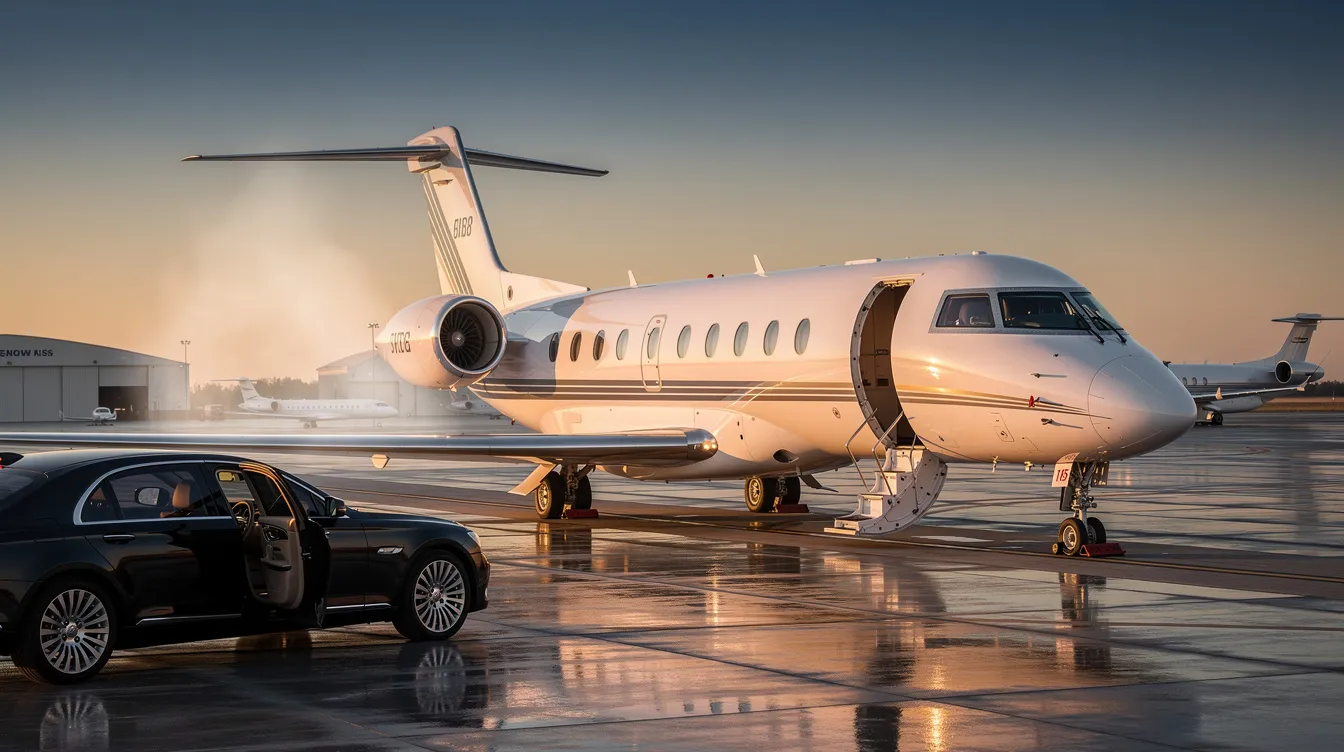
The phrase “plane price” can mean two very different things. For some, it’s the sticker price on an aircraft for sale. For others, it’s the cost to access one—whether through charter, fractional ownership, or a Jet Card membership. This guide is for executives, frequent travelers, business professionals, and anyone considering private aviation who wants to understand the real costs behind plane prices. Understanding the true cost of private aviation helps travelers make informed decisions about ownership, charter, or membership options. Airplane prices range from roughly $8,000 to $25,000 for ultralight aircraft, and can exceed $400 million for large commercial jets.
Consider a concrete example: a New York–Miami round-trip in 2026. Commercial first class runs approximately $1,200 with potential layovers and delays. Charter a light jet, and you’re looking at $30,000 or more. Buy that same aircraft outright? The sale price starts north of $3 million—before you’ve spent a single dollar on fuel, crew, or insurance.
Travel Option | Cost Estimate | Notes |
|---|
Commercial First Class | ~$1,200 | Possible layovers and delays |
Charter Light Jet | $30,000+ | Direct, private experience |
Purchase Light Jet (Phenom) | $3 million+ | Excludes fuel, crew, insurance, and other expenses |
Private aviation isn’t merely a luxury; it’s a strategic tool for executives and high-net-worth travelers who value time above all else. Access to over 5,000 US airports (versus a few hundred commercial hubs), direct routes, and the ability to avoid security lines and connection delays eliminates waiting time, making travel more efficient and convenient. These factors, along with what makes private jets appealing—efficiency, privacy, and luxury—make private flight a productivity multiplier. A same-day meeting in Chicago becomes easy when you’re wheels-up from Teterboro within minutes. The total number of private jets in operation worldwide is approximately 24,270 as of July 2024, reflecting the growing accessibility and popularity of private aviation around the globe, a trend explored in depth in a global overview of how many private jets are in the world.
BlackJet focuses on access rather than selling airplanes because most smart travelers today pay for hours, not ownership, leveraging premium private jet cards and membership programs. Buyers have access to a wide range of aircraft options and pricing information, whether they are interested in new or pre-owned jets across different categories and budgets. A Jet Card is a prepaid program that allows members to purchase a set number of flight hours on private jets at fixed hourly rates.Options for affordable private aircraft include fractional ownership, jet cards, per-seat charter services, and on-demand chartering, offering flexibility to suit various traveler needs and budgets, particularly for those interested in affordable private planes and entry-level aircraft. Fractional ownership allows multiple individuals or entities to share ownership of an aircraft, dividing costs and usage rights. Here’s how this article breaks down the true cost of plane prices and how BlackJet helps you find the perfect aircraft or service tailored to your needs and budget:
What aircraft categories cost to buy in 2026
Why do ownership expenses far exceed the purchase price
How the per-hour Jet Card cost per hour works across charter, fractional, and Jet Card models
Key factors driving both acquisition and operating costs
Sample scenarios showing what BlackJet members actually pay
How Much Does a Private Plane Cost to Buy in 2026?
The 2025–2026 market shows cooling after the post-pandemic boom. Pre-owned inventory has increased 20–30% year-over-year, yet prices remain 10–15% above pre-pandemic levels, trends that are reflected across the broader private jet price list landscape. The market offers a wide range of aircraft and related equipment as products, including aircraft, parts, and accessories, catering to diverse buyer needs. Here’s what featured listings and market data reveal:
| Single-engine piston | $80,000 – $150,000 (used) | New models $400,000 – $600,000; piston aircraft are popular for training and cross-country flights | | Turboprops | $700,000 – $1.2M (Beechcraft King Air 100) | Pilatus PC-12 NG $4.5M – $5M; efficient regional workhorses | | Very light jets (VLJs) | $1.2M – $3.2M | Cirrus Vision SF50 G2+ $2.8M – $3.2M; Eclipse 500 used $1.2M – $1.8M |
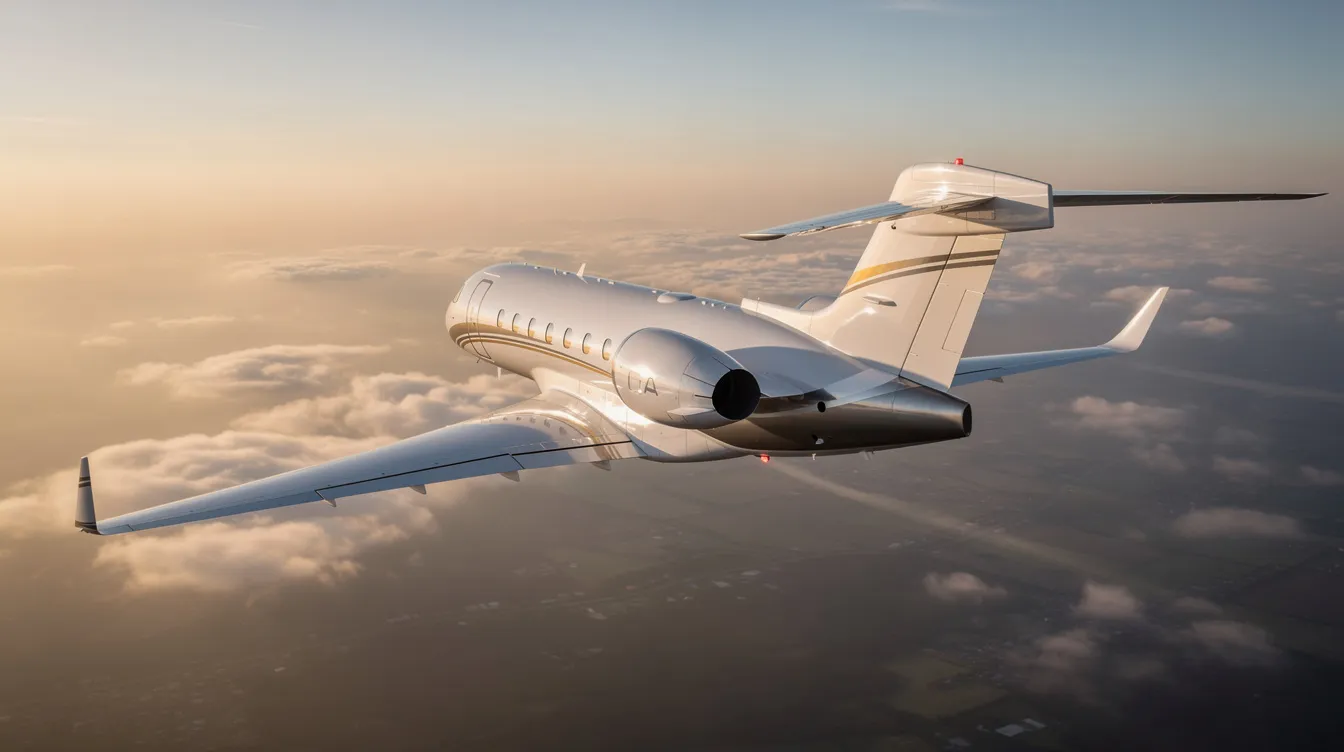
Very light jets (VLJs) like the Cirrus Vision Jet and HondaJet are designed for shorter flights, are highly efficient, have lower operating costs, and are especially popular with new private jet owners seeking the cheapest private aircraft options or the best cheapest single-pilot jets. When considering light and very light jets, finding the right balance between performance, comfort, and cost is essential to meet different travel requirements.
|Light jets|$1.5M – $4M|Cessna Citation Mustang $1.5M – $2.2M; Embraer Phenom 100 $2M – $4M| |Midsize & large jets|$1.5M – $25M+|Dassault Falcon 50 $1.5M – $3M; Gulfstream G280 $8M – $15M; Challenger 300 $10M – $25M|
Large jets, such as the Dassault Falcon and Gulfstream G200, deliver unparalleled luxury and performance for intercontinental travel and can even accommodate group configurations similar to private jets for 20 passengers, but come with higher purchase prices and operating costs that resemble those of the largest private jets for sale and many of the top private jets in the world.
The pricing of a plane is primarily driven by supply and demand, and is influenced by aircraft age, maintenance status, total flight hours, and installed avionics. Modern avionics, such as glass cockpits and compliance with NextGen standards, add substantial value. Market dynamics further influence prices, while missing or incomplete maintenance logbooks can reduce value by 10% to 50%, considerations that are central when evaluating a premium private jet for sale in markets like the UK or structuring airplane financing options and strategies to preserve capital.
Ownership vs Access: Why Buying the Plane Is Only the First Price
Consider this: an owner of a $3M Phenom 100 flying 100 hours per year faces total annual costs exceeding $600,000. Operational costs such as insurance, hangar fees, and taxes significantly affect the long-term affordability of aircraft ownership, as do crew expenses and private jet pilot costs. A BlackJet Jet Card member flying the same 100 hours? Approximately $500,000–$700,000 with none of the management headaches. Ownership cost per hour often runs 2–3x higher when all expenses are included, a gap that becomes clear when you look at a broader private jet price list across categories and access models.
Cost Type | Estimated Annual Cost (USD) | Description |
|---|
Fixed Annual Costs | $200,000 – $600,000 | Insurance, hangar fees, taxes, crew salaries |
Variable Costs/Flight Hr | $1,600 – $2,800 per hour | Fuel, maintenance reserves, engine programs, fees |
Opportunity Cost | Varies, thousands annually | Foregone investment returns on capital tied to aircraft |
Access Options | Varies | Charter, fractional ownership, Jet Cards |
Annual operating costs for a mid-size jet can total hundreds of thousands of dollars, including expenses such as fuel, maintenance, and insurance, though tax benefits of fractional jet ownership can offset a portion of these outlays for some operators
When considering maintenance, the availability and sourcing of aircraft parts are crucial for ongoing upkeep and reliability, especially if you choose leasing a private jet instead of owning outright or participating in fractional jet ownership with depreciation considerations, or are evaluating 2 million dollar private jet options where ongoing maintenance and management costs are a major part of the equation. Maintenance history and condition can significantly affect an aircraft's value, with missing logbooks potentially leading to a decrease of 10% to 50%.
Per-Hour Plane Price: Charter, Jet Card, or Fractional?
Most serious private fliers think in cost per flight hour, especially when flying 25–50+ hours annually, which is exactly where a detailed understanding of Jet Card membership pricing and broader jet card pricing structures and fees becomes critical. Here’s how the options compare:
Access Model | Hourly Rate Range (USD) | Notes |
|---|
On-demand Charter | $3,000 – $14,000 | Light to large jets; includes personalized amenities |
Fractional Ownership | $6,000 – $12,000 | Upfront share purchase plus monthly fees; less flexible |
BlackJet Jet Cards | $5,000 – $7,000 | Fixed rates, no asset risk, multi-cabin access |
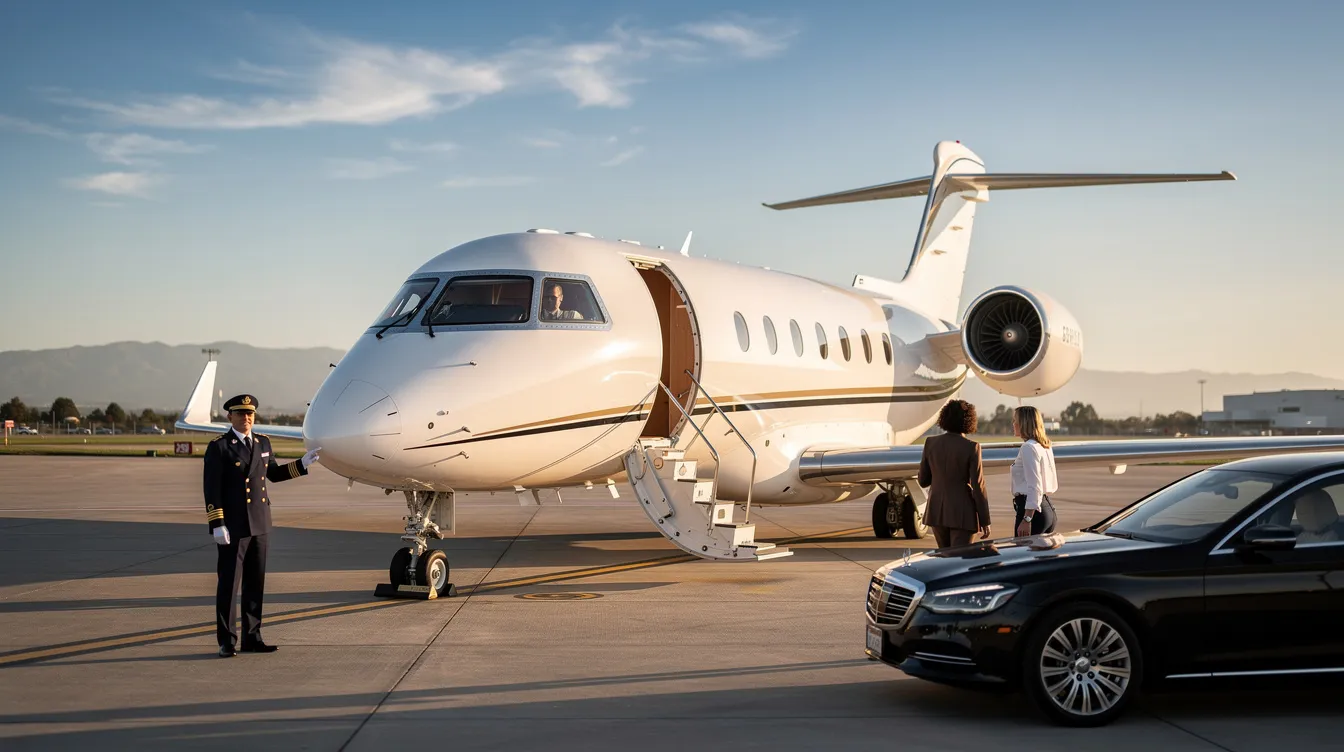
Jet card programs offer prepaid blocks of flight hours on specific aircraft types at fixed hourly rates, providing flexibility for frequent travelers. The ease and simplicity of jet card programs make them accessible and user-friendly for both new and experienced private flyers, particularly products like the BlackJet 25+ Hour Jet Card that bundle fixed rates with multi-cabin access and mirror many of the best jet cards for frequent flyers.
BlackJet caps peak-day premiums at 10–15% versus 25–50% with ad-hoc charters, making it easier to benchmark how much it really costs to rent a private jet versus owning and to compare these figures with private jet charter pricing fundamentals. One-way empty legs are priced at half rates. Sustainability is bundled in, with 100% flight emission offsets via Gold Standard/VCS certified projects at no additional cost.
Operating costs for popular light jets highlight the spectrum: the Cessna Citation Mustang runs approximately $1,000 to $1,200 per hour, while the Embraer Phenom 100 ranges from $1,200 to $1,500 per hour, aligning with many of the entry-level options profiled in guides to the cheapest private jet categories and illustrating typical performance for a 5 million dollar private jet.
What Drives Plane Prices: Key Factors and Market Trends Behind the Numbers
Both acquisition price and hourly cost reflect consistent factors:
Factor | Impact on Price |
|---|
Age and Total Time | Older, high-time aircraft cost less but need more maintenance |
Engine Programs | Enrollment adds 10–20% to value, reduces risks |
Cabin and Range | Larger cabins and longer range increase the price |
Technology and Safety | Modern avionics add $300K–$500K but reduce insurance and maintenance costs |
Market Cycle and Fuel | Prices fluctuate with supply/demand; Jet-A fuel at $8.63/gal adds $300–$600/hr |
Commercial jets are usually purchased by airlines or leasing companies and often receive discounts of 20% to 50% on list prices due to bulk orders, a practice less common in private aviation but indicative of broader market dynamics.
When browsing market listings, buyers rely on robust search functionality to quickly find specific aircraft, salvaged planes, or components, making it easier to compare plane prices and locate exactly what they need, including research on the best, cheapest planes, the cheapest new plane options for aspiring pilots, the cheapest single engine plane choices for budget-conscious pilots, and the best small private aircraft for every need for new or budget-conscious owners.
Jet Cards vs Buying a Plane: The BlackJet Approach to Price
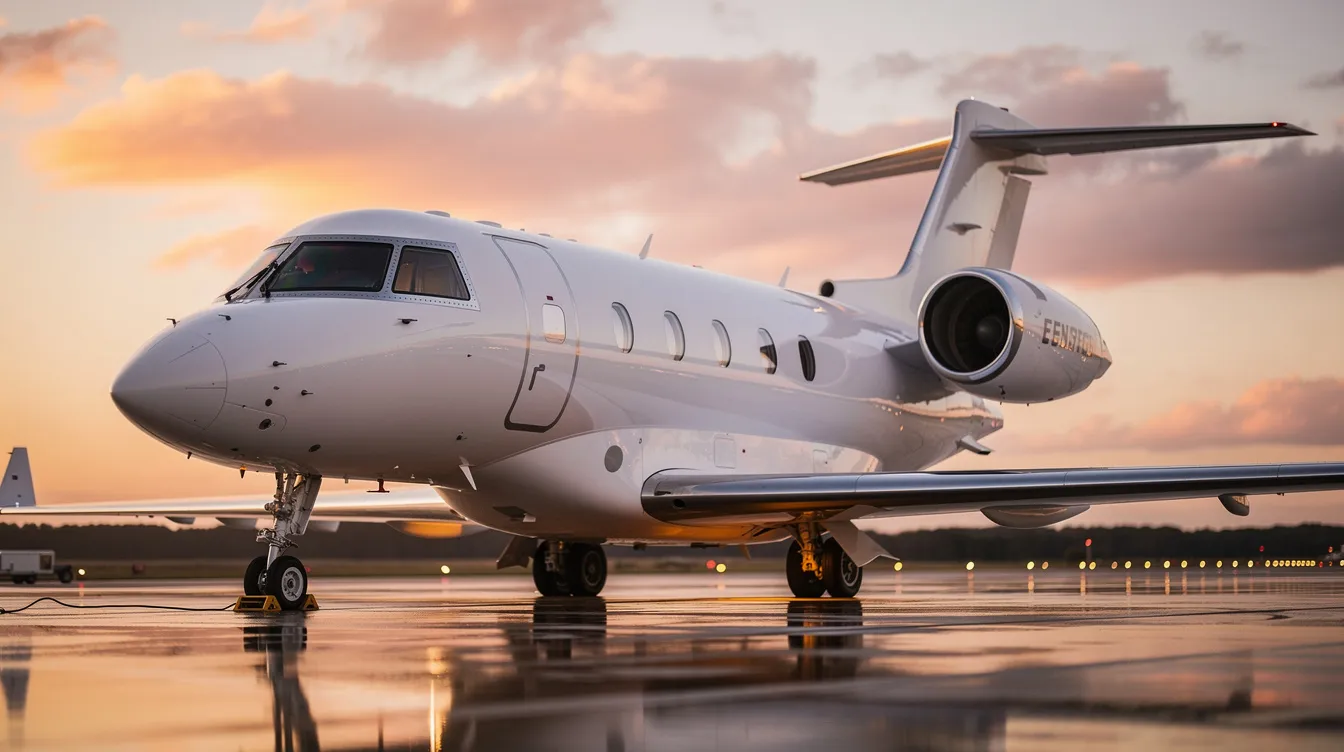
For travelers flying 25–200 hours annually, BlackJet’s Jet Card structure delivers financial and operational efficiency that ownership cannot match, especially when comparing options like a 50-hour Jet Card cost or a 25-hour Jet Card guide to features and costs against full ownership. Aircraft owners who wish to sell their planes can easily list and promote them for sale through specialized aviation marketplaces, making it more convenient and affordable to transition out of ownership when desired or to step into private jets for sale under 10 million as a more cost-effective alternative.
Option | Cost Example (USD) | Notes |
|---|
25-hour Jet Card | $125,000 – $175,000 | Fixed hourly rates, no ownership headaches; see 100-hour Jet Card cost guide for larger programs |
Owning a $3M Light Jet | $400,000+ annually (50 hours/year) | Effective cost > $8,000/hr, including all expenses |
Flexibility is key: BlackJet Jet Cards offer multi-cabin access, safety certification through ARGUS/Wyvern/IS-BAO audited operators, and carbon-neutral flights bundled at no extra cost. Technology-enabled booking and 24/7 support ensure seamless service.
Sample Planes Price Scenarios: What You Actually Pay To Fly
Scenario | Aircraft Type | Typical Cost (USD) | Notes |
|---|
Executive NYC–Chicago | Light / Midsize Jet | $18,000–$40,000 | 6-person business team, same-day meetings, per-seat cost ~$3,500–$6,600; smaller-scale counterpart to charter plane 100 passengers cost scenarios |
Leisure LA–Aspen | Light Jet | $35,000–$55,000 | Family of 4 skiing trip; Jet Card pricing is predictable and comparable in structure to private jet options for 15 passengers |
International London–Ibiza | Super-Light / Midsize Jet | $20,000–$35,000 | ~2-hour flight each way; aligns with 100-hour Jet Card pricing and examples from the best long-range private jet for sale |
Pilot Training | Cessna 150/152, Piper Cherokee | $100–$200/hr | Popular for flight training due to low operating costs and reliability |
Peak and weather surcharges typically add 20–30% on ad-hoc charters; BlackJet caps these at 10–15% for price stability, which can materially change whether chartering a private jet is worth it for specific trips.
FAQ: Quick Answers About Plane Prices & Private Jet Costs
What’s the cheapest private plane I can buy? Older piston types like Cessna 150/152s trade at $25,000–$50,000—but at 110 knots, they’re not executive-ready, even though they feature prominently in guides to the best, cheapest planes for new owners and in resources explaining how much it costs to charter a small plane once you’re ready to move beyond basic pistons.
What’s the lowest hourly rate for a private jet? Turboprops and shuttles can dip below $2,500/hour. Most US light-jet missions run $3,000–$5,000/hour in 2026, with larger cabins like a 12-seater private jet commanding higher but still optimizable rates, particularly when comparing card products such as Flexjet jet card cost and options.
How many hours justify owning? Generally, 200–300+ hours with stable missions. Most BlackJet members fly well below this threshold, where understanding jet card pricing structures becomes more relevant than full ownership, including comparisons with NetJets jet card cost programs.
Are private jets safer than commercial? Safety depends on operator standards. BlackJet’s audited operators and modern fleets ensure safety that matches or exceeds commercial aviation, aligning with independent analyses of how safe private jets are.
Does carbon-neutral flying cost more? With BlackJet, certified offsets are bundled into your Jet Card—no extra content fees, unlike ad-hoc charter add-ons- and you can even buy a seat on a private jet through shared or semi-private options that include similar considerations and mirror many affordable private plane rideshare options and region-specific guides to private jet prices in rupees for Indian travelers.
Conclusion: Focus on the True Price of Access, Not Just the Plane
The true value of a plane's price encompasses far more than an aircraft’s listing figure. It includes capital, operations, time, flexibility, and the hidden costs that compound with ownership. For most high-performing individuals, structured access through Jet Cards represents the most rational choice—delivering premium aircraft, audited safety, carbon-neutral operations, and technology-enabled booking in one predictable hourly rate.
Discover how a BlackJet jet Card can re-price your time and transform the way you move between New York, London, Los Angeles, and beyond. As fleets modernize and sustainable aviation fuels expand through 2030, the most valuable investment isn’t owning metal—it’s securing elite, flexible access to it.


 Sign up with google
 Sign up with Apple